
Beginner’s Guide to Understanding Solar Panel Lifespan
Share:
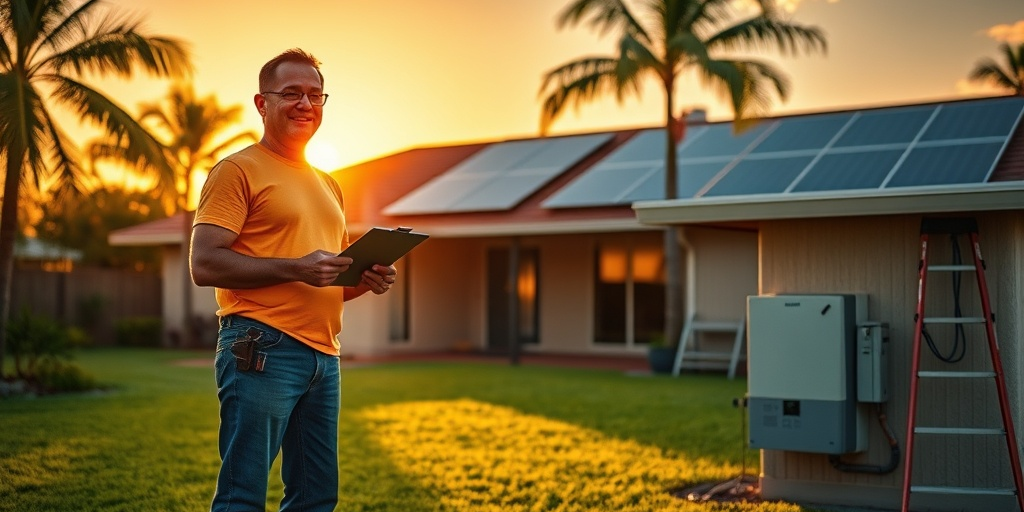
In a world increasingly powered by renewable energy, the question on many homeowners’ minds is: how long will my solar panels actually last? Did you know that on average, solar panels can last anywhere from 25 to 30 years, and most come with warranties guaranteeing at least 25 years of performance? This assurance is pivotal for anyone considering an investment in solar energy. In our “Beginner’s Guide to Understanding Solar Panel Lifespan,” we delve deeply into what you need to know about the longevity of solar panels, how it impacts your long-term savings, and what factors can influence this lifespan. According to the Solar Energy Industries Association, Florida’s solar installations increased by 36% in 2022 alone, indicating the state’s growing commitment to solar energy and the urgency for homeowners to consider this for 2025 and beyond (SEIA.org). With energy costs rising and an abundance of new solar incentives, 2025 is a critical year for Florida homeowners and commercial property owners interested in switching to renewable energy. In this guide, we will explore five crucial sections: a detailed case study of a Florida homeowner going solar; an actionable checklist to help you navigate the solar panel lifespan; common myths about solar longevity; specific challenges and adaptations for Florida’s climate; and a technical deep dive into solar energy systems.
Understanding Solar Panel Lifespan: A Deep Exploration
When Florida resident Maria decided to convert her home to solar energy, she was not just motivated by the environmental impact; she was also driven by potential long-term savings. Maria’s home had an average electric bill of $200 per month, resulting in almost $2,400 a year. After researching and speaking with experts, she discovered that by investing in solar panels, she could drastically reduce these costs. After installation, Maria’s initial savings were impressive, and she felt empowered knowing her solar panels were designed to last upwards of 25 years, providing consistent savings over time.
Here’s a quick checklist of factors Maria considered before making her decision:
- Performance Warranty: Maria ensured her panels came with at least a 25-year warranty.
- Manufacturer Perspective: She learned that high-quality solar panels typically have a life expectancy of 30 years.
- Installation Quality: A qualified installer is crucial; poorly installed panels can reduce efficiency and lifespan.
- Maintenance Requirements: Regular cleaning and occasional inspections can extend the life and efficiency of the panels.
- Florida’s Climate Considerations: The sunlight exposure and heat in Florida can influence panel effectiveness and durability.
It’s essential to dispel the myths about solar panels, as misinformation can affect decisions. One pervasive myth is that solar panels lose their effectiveness after a few years. Surprisingly, research shows that solar panels typically degrade at a rate of about 0.5% per year (Energy.gov). This means even after 25 years, they can still produce approximately 85% of their original capacity. In Florida, where the sun shines brightly, this performance retention is critical. With over 300 sunny days a year, solar panels in this region can operate efficiently for decades, maximizing energy savings for homeowners.
In terms of longevity, the two most crucial components to consider are the panels themselves and the inverter, which often requires replacement more frequently, usually every 5 to 10 years. Advances in technology have led to more durable inverter options, helping to improve overall system longevity. Moreover, choosing the right type of solar panel is essential. Monocrystalline panels might be slightly more expensive, but they often last longer and perform better in low-light conditions compared to polycrystalline panels. Florida homeowners must assess their long-term financial goals and energy needs to understand the true value of extending solar panel lifespan.
As we dive deeper, let’s explore some common myths surrounding solar panel lifespans:
Solar Panel Lifespan Myth-Buster
- Myth #1: Solar panels stop working after 20-25 years.
Truth: While warranties often last 25 years, most panels operate efficiently for 30 years or more. - Myth #2: All solar panels are created equal.
Truth: Quality varies significantly, impacting both lifespan and efficiency. - Myth #3: Maintenance is a hassle.
Truth: Solar systems require minimal maintenance, often just regular cleaning. - Myth #4: Solar energy can only be used in sunny conditions.
Truth: Panels can still collect energy on cloudy days, although efficiency may vary. - Myth #5: The inverter lasts as long as the panels.
Truth: Inverters generally need replacement every 5 to 10 years.
Now that we’ve identified some of the common misconceptions, let’s discuss Florida-specific considerations that can affect solar panel lifespan. In Florida, hurricanes and severe weather are crucial considerations. Homeowners should ensure that their solar systems are installed to withstand high winds and flooding. More robust mounting systems generally afford better protection and longevity.
Additionally, while excessive heat can contribute to efficiency loss, many high-quality solar panels are designed to endure the warm Florida sun. Selecting certified panels specifically engineered for cooler performance at higher temperatures can dramatically improve system output and longevity. In the coming years, solar adoption in the Sunshine State is expected to continue its upward trajectory, with projections estimating a 35% increase in residential installations by 2025 (SolarReviews.com). This emphasis on solar energy indicates that tapping into the abundant sunshine effectively creates sustainable savings and energy independence.
As I conclude this section, it’s clear that while initial costs and concerns about solar panel longevity may deter some, the financial and environmental benefits make solar power an attractive alternative. With proper maintenance and by utilizing high-quality materials, Florida homeowners and commercial property owners can enjoy the remarkable benefits of solar energy for years to come.
Actionable Checklist for Solar Panel Lifespan
As you consider making this transition to solar energy, follow this actionable checklist to navigate the solar panel lifespan effectively:
- Step 1: Assess Your Energy Needs: Begin by examining your electricity usage. Analyze your energy bills over the past year to understand how much energy you consume and how much you can potentially save with solar.
- Step 2: Choose the Right Solar Panels: Research and select panels that offer high efficiency and a long warranty, ensuring that you are investing in a reliable product for longevity.
- Step 3: Hire Qualified Installers: Only work with certified and experienced solar installers who can not only ensure quality installation but also guide you in maintaining the system.
- Step 4: Implement a Regular Maintenance Schedule: Monthly cleaning and annual inspections can help sustain the performance of your solar systems.
- Step 5: Stay Informed About Solar Technology Advances: Continuous innovation in the solar sector means new technologies are always emerging. Keep up to date to enhance your system over time.
By following these steps, you can maximize your solar panel’s lifespan and ensure that your transition to solar power is as seamless and beneficial as possible. To discover more on how Florida Electric & Solar can assist you, visit floridaelectricandsolar.com.
Expert Tips for Solar Installation in 2025
As solar technology continues to evolve, it’s essential to adopt industry best practices to maximize your investment. Here are five expert solar installation tips for 2025:
- Tip #1: Don’t Skimp on Panel Placement: The placement of your solar panels can affect system efficiency significantly. Ensure panels are placed in a way that avoids shade and maximizes exposure to sunlight.
- Tip #2: Optimize for Florida’s Climate: Opt for panels rated for high-temperature endurance and those deemed hail-resistant to endure Florida’s weather challenges.
- Tip #3: Consider Battery Storage: Adding battery storage to your system allows for energy collection during the day, which can be used at night or during power outages.
- Tip #4: Stay Engaged with Incentives: In 2025, various state and federal incentives could be available. Make sure to utilize these financial opportunities.
- Tip #5: Regular System Monitoring: Employ smart technology to monitor the performance of your solar system and preemptively address any efficiency issues.
Staying informed about effective solar installation practices will empower Florida homeowners to enjoy the enhanced benefits that come with a solar-powered home.
Florida Homeowner’s Solar Journey: A Story of Transformation
Once a skeptical consumer, John, a homeowner from Tampa, decided to embrace solar energy after a year of skyrocketing electric bills that left him increasingly frustrated. Fed up with expenses totaling $2,500 annually, John decided it was time to investigate solar options, not just for savings but also for creating a sustainable future for his family.
After conducting research and consulting with Florida Electric & Solar, John came to appreciate how advancements in technology could benefit his solar journey. He learned that solar panels are more efficient than ever, boasting lifespans exceeding 30 years and typically providing warranties of 25 years. Eager to proceed, he quickly navigated through the following steps:
- Consultation and Site Assessment: John disposed of his anxieties during an initial consultation where his energy needs were assessed, allowing for tailored solutions.
- Choosing Quality Components: He opted for high-efficiency monocrystalline panels, which would stand the test of time.
- Installation Process: With professional installers, the process took just a few days, sparking excitement as he witnessed the solar panels being mounted!
- Monitoring Energy Production: Once connected, John utilized smart technology to monitor energy production, consistently amazed at how effectively the system was performing.
- Realizing Substantial Savings: Within months, previous electric bills turned into credits, illustrating a significant cost reduction, which eventually transformed how he managed his finances.
This journey not only changed John’s energy consumption; it emotionally empowered his family to appreciate environmental sustainability. The expansive reach of solar energy has now equipped John with the confidence that they will continue to save and contribute positively to the planet.
With solar adoption on the rise in Florida, studies predict continued growth. With insights gleaned from John’s experience, more homeowners may consider how installing solar panels can help them enjoy savings and stability that last decades—especially given the forecast of increased installations by 35% in the next two years (NREL.gov).
Next Steps for Florida Solar Buyers in 2025
As you contemplate the transition to solar energy, here’s your comprehensive action plan to ensure a successful journey:
- Step 1: Audit Your Electric Bill: Begin by understanding your current energy consumption and monthly expenses.
- Step 2: Check Out Local Regulations: Investigate local ordinances and utility regulations that may impact solar energy installations in Florida.
- Step 3: Research Solar Providers: Explore options and read reviews to find a reputable solar installer.
- Step 4: Consider Financing Options: Look into financing structures to access upfront or long-term financial aids available for solar installation.
- Step 5: Schedule an Installation Day: Once you’ve made decisions, lock down an installation date and prepare for this exciting new chapter!
These steps will ease your transition into solar energy and reinforce your commitment to a sustainable home. You’re not just investing in solar panels but in a brighter, more independent, and environmentally-friendly future. Remember, Florida Electric & Solar is here to assist you every step of the way. To learn more, visit floridaelectricandsolar.com.
Conclusion
As we summarize the critical facets of understanding solar panel lifespan, it becomes strikingly clear that transitioning to solar energy is an investment that extends beyond dollars and cents. Whether it’s John’s transformational journey or Maria’s extensive savings, one fact remains: solar panels can reliably serve you for decades if chosen and maintained wisely.
With the increasing urgency of rising energy costs and the relevance of environmentally conscious living in 2025, now is the time to take action. This deep dive into solar panel lifespan is designed to provide you the insights necessary to make impactful decisions for your financial and environmental future.
Are you ready to take the plunge into your solar journey? Connect with a certified expert at floridaelectricandsolar.com today.
Related Articles
More insights about Solar Panel

Florida Homeowners: Why Solar Panel Maintenance Is Essential

7 Essential Steps for Solar Panel Installation Success

Expert Insights: Key Factors Influencing Solar Panel Lifespan
Ready to Go Solar?
Have questions about solar energy? Our experts are here to help you make the switch to clean, renewable energy.