
Beginner’s Guide to Understanding Solar Panel Lifespan and Replacement
Share:
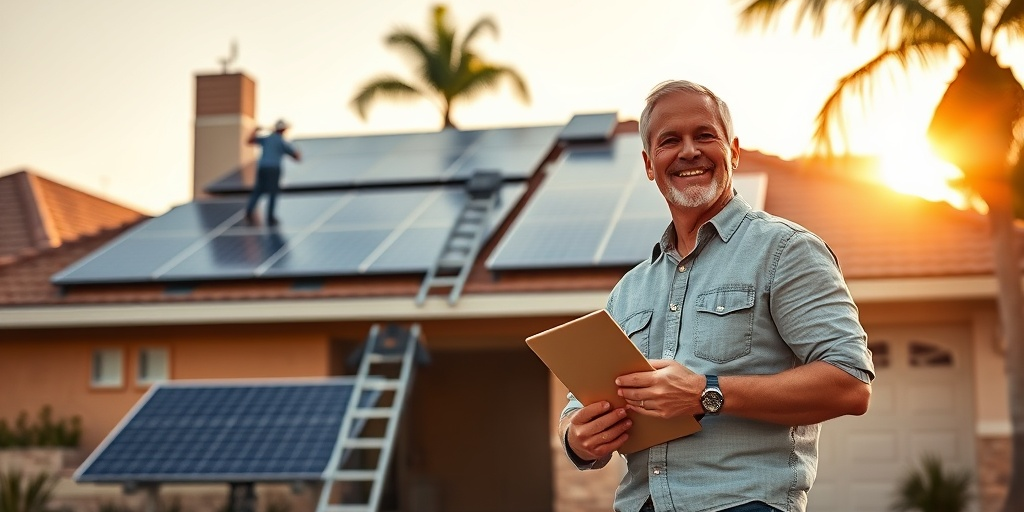
As a Florida homeowner or commercial property owner, have you ever wondered how long your solar panels will last and when you might need to replace them? This question is becoming increasingly critical as more Floridians embrace renewable energy brought on by rising electric rates and global demand for cleaner sources of power. In fact, the Solar Energy Industries Association (SEIA) states that Florida ranked first in the nation for solar jobs in 2021, a trend expected to continue into 2025. A recent study revealed that solar panels usually have a lifespan of around 25 to 30 years, making understanding their longevity essential for anyone considering making the switch. This guide is the “Beginner’s Guide to Understanding Solar Panel Lifespan and Replacement,” where we will not only discuss how to ensure optimal performance and longevity of your solar panels but also what factors contribute to the need for replacement.
Urgently, in 2025, rising energy costs and new solar incentives will push more homeowners to seek information on long-term energy solutions. Discovering how the lifespan of solar panels relates to maintenance, components, and advances in technology can make a significant difference in your investment. In this guide, we will cover the following sections:
- The Lifespan of Solar Panels: Understanding What to Expect
- How to Maintain Your Solar System: Key Steps for Longevity
- Myths and Misconceptions about Solar Panel Lifespan
- Florida-Specific Factors Affecting Solar Panel Durability
- An Action Plan for Assessing Solar Panel Replacement
By the end of this guide, you will be equipped with invaluable insights that can help you make informed decisions about going solar and maintaining your system for years to come.
The Lifespan of Solar Panels: Understanding What to Expect
Understanding your solar panel’s lifespan is paramount for a successful solar investment. Many Florida residents often wonder, “How long can I expect my solar panels to last?” We can illustrate this through the story of Maria, a Tampa homeowner who went solar in 2019. Initially hesitant, Maria jumped on the bandwagon after crunching the numbers on her rising utility bills. Four years later, Maria has not only saved significantly on her electricity but also learned much about her solar energy system.
Maria’s experience illustrates the average lifespan of solar panels. Most solar panels are designed to last between 25 and 30 years (NREL.gov), with many manufacturers providing warranties that offer coverage for 25 years. A typical panel might lose around 0.5% to 1% of its efficiency every year. Therefore, after 25 years, even high-quality panels can still produce around 70% to 80% of their original capacity. Such longevity fosters energy independence, allowing homeowners like Maria to relish the fact that the sun, a free source of energy, powers their homes.
Checklist for Ensuring Your Solar Panels Last:
- Research Quality Brands: Invest in panels from reputable manufacturers with proven track records.
- Annual Maintenance Checks: Schedule regular inspections to check for wear and tear.
- Cleaning and Care: Ensure your panels are clean and debris-free to maximize their efficiency.
- Check for Tree Growth: Keep an eye on trees near your property. Proper trimming can prevent shadows on your panels.
- Monitor Performance: Use monitoring systems to keep track of energy production and catch any potential issues early.
Myth #1: Solar Panels Require Constant Maintenance. While regular maintenance is essential, the frequency of repairs or servicing is far less than other systems, such as traditional electricity providers that can face external damage.
Myth #2: Solar Panels Will Break Down After 10 Years. In reality, most quality solar panels can last beyond 25 years, as illustrated by many case studies and manufacturer warranties.
Myth #3: Solar Panels Are Ineffective in Florida’s Humidity. Surprisingly, many panels are designed to withstand high humidity and heat, making them relatively resilient in Florida’s weather conditions.
Additionally, Florida’s sunny climate is a perfect match for solar technology; according to the Florida Solar Energy Center, regions in Florida can receive around 264 sunny days a year, ensuring optimal solar power generation.
As we move forward in our guide, it’s essential to consider both the technical and practical elements that contribute to the longevity of your solar panels. The right preventative measures can help you experience the long-lasting benefits of solar energy.
How to Maintain Your Solar System: Key Steps for Longevity
Maintaining your solar system shouldn’t be overwhelming. With the right information, homeowners can ensure their panels remain effective for as long as possible while also ensuring safety. Here’s how you can manage your system to promote longevity:
- Regular Visual Inspections: Check your panels for any potential damages, like cracks or loose wires, which can affect performance.
- Cleaning Your Panels: Avoid using abrasive materials. Instead, gently use a soft cloth or sponge with a safe cleaning solution to scrub away dirt.
- Stay Informed About Local Weather: Severe storms can pose risks to your solar panel system. Being prepared can minimize impacts.
- Choose an Experienced Installer: Quality installation significantly affects the lifespan of solar panels. Make sure you choose a company with experience in Florida’s environmental conditions.
- Take Advantage of Monitoring Technology: Use solar monitoring apps to track your energy production and identify any underperformance issues.
With recent updates in Florida legislation that promotes solar energy projects, simpler inspections can fall under a 2-week timeline (Energy.gov). This new “one-stop shop” approach allows homeowners to maintain their systems more efficiently.
By implementing these best practices, homeowners can help protect their investment and extend the functional life of their solar panels. This protective measure is essential as many Floridians, like Maria, may need to consider system replacements in the coming decades due to natural wear or evolving energy needs.
Myths and Misconceptions About Solar Panel Lifespan
In the exciting world of solar energy, misinformation can hinder homeowners from making informed decisions that align with their energy goals. It’s often said that knowledge is power, especially for first-time solar buyers. It’s time to debunk commonly held beliefs that can complicate understanding about solar panels.
Myth #1: Solar Panels are Only for Sunny Days. While sunlight will always enhance solar efficiency, innovations have made panels capable of generating energy even on cloudy, overcast days.
Myth #2: All Solar Panels Are Created Equal. In fact, various solar panels have different levels of efficiency and materials which impact overall performance. Selecting the right technology tailored to your specific needs is essential.
Myth #3: Solar Panels Lose Their Effectiveness Quickly. Manufacturer data often shows slow degradation rates, with many panels retaining significant productivity after decades of use.
Myth #4: Solar Power Requires Serious Upkeep. As previously mentioned, minimal maintenance is needed to ensure solar panels operate effectively.
Myth #5: It’s Cheaper to Stick with Traditional Energy Sources. Amid rising electricity costs in Florida, transitioning to solar can often be more cost-effective than remaining reliant on traditional energy, which tends to fluctuate.
Understanding these myths helps clarify a pathway forward for many homeowners. Knowledge empowers residents to feel confident in their solar system choices, unlocking the full potential of their investment.
Florida-Specific Factors Affecting Solar Panel Durability
As you explore the exciting potential of solar energy, it’s crucial to recognize vital components affecting solar panel durability in Florida. Unique climate factors, regulations, and regional guidelines can greatly influence the efficacy of a solar system.
- Climate Conditions: Florida is prone to humidity and storms, which can stress solar panels. Quality brands often employ weather-resistant materials.
- Regulatory Assistance: Current Florida regulations support solar installation, offering incentives and tax credits for homeowners who opt for renewable energy, which helps combat initial investment costs.
- Local Expertise: When selecting an installer, choose local companies familiar with Florida conditions—this ensures the design meets the climate’s challenge.
- Community Resources: Many local organizations, like the Florida Solar Energy Center, provide resources and support to aspiring solar homeowners, helping them stay informed.
According to the Solar Energy Industries Association, policy developments have made the solar market in Florida flourish, with installed capacity reaching upwards of 5 gigawatts in 2022, a significant leap since previous years (SEIA.org). This growth reflects not only technology improvements but also community support for sustainable living.
An Action Plan for Assessing Solar Panel Replacement
Transitioning into solar energy is rewarding, yet it involves a crucial decision: when is the right time to replace your solar panels? Understanding this timeline empowers you to take actionable steps ahead of your panel’s lifetime expiration. Here’s a checklist to guide you:
- Step 1: Evaluate Current Performance: Determine production levels by consulting your monitoring system records and comparing them to original outputs.
- Step 2: Review Warranty Statements: Understand warranty lengths and stipulations regarding replacement to gauge any costs involved.
- Step 3: Consult with Experts: Reach out to certified professionals who can offer expert advice on the state of your solar system.
- Step 4: Budget for Replacement: Factor replacement costs into long-term financial planning; preparation can lessen future financial stress.
- Step 5: Schedule a Future Evaluation: Once above factors are considered, set a timeline to reassess your decision-making process.
With practical thinking, homeowners can ensure they have a clear understanding of potential costs, risks, and timelines related to solar panel replacement. Floridians who embark on their solar journeys have the benefit of access to numerous professional resources, such as floridaelectricandsolar.com, which specializes in solar energy education and solar installation services.
Holistically, considering the impact of solar technology and community support encourages informed decision-making that ultimately leads to sustainable living and effective energy savings for years to come. Moving forward with your investment today can yield benefits not only for your family but for your community ahead.
Conclusion: The Path to a Solar-Powered Future
In summarizing the critical points discussed in this comprehensive guide, one can see that understanding solar panel lifespan and the intricacies of their maintenance is vital for anyone looking to switch to solar energy. Marie’s story exemplifies the journey many Florida homeowners experience: from initial hesitation to embracing the technology that saves money and provides clean energy. In 2025, as electric rates soar, having a well-maintained solar system can lead to unparalleled savings and energy independence.
As we embrace new solar incentives and advancing technologies designed for maximizing performance, homeowners are better equipped than ever. Whether you face storms or sizzling summers, understanding how to care for and know when to replace your solar system ensures peace of mind—an added benefit for any conscious homeowner.
Ready to start your solar journey in 2025? Connect with a certified expert at floridaelectricandsolar.com today.
Related Articles
More insights about Solar Panel

Florida Homeowners: Why Solar Panel Maintenance Is Essential

7 Essential Steps for Solar Panel Installation Success

Expert Insights: Key Factors Influencing Solar Panel Lifespan
Ready to Go Solar?
Have questions about solar energy? Our experts are here to help you make the switch to clean, renewable energy.