
Beginner’s Guide to Understanding Solar Panel Lifespan
Share:
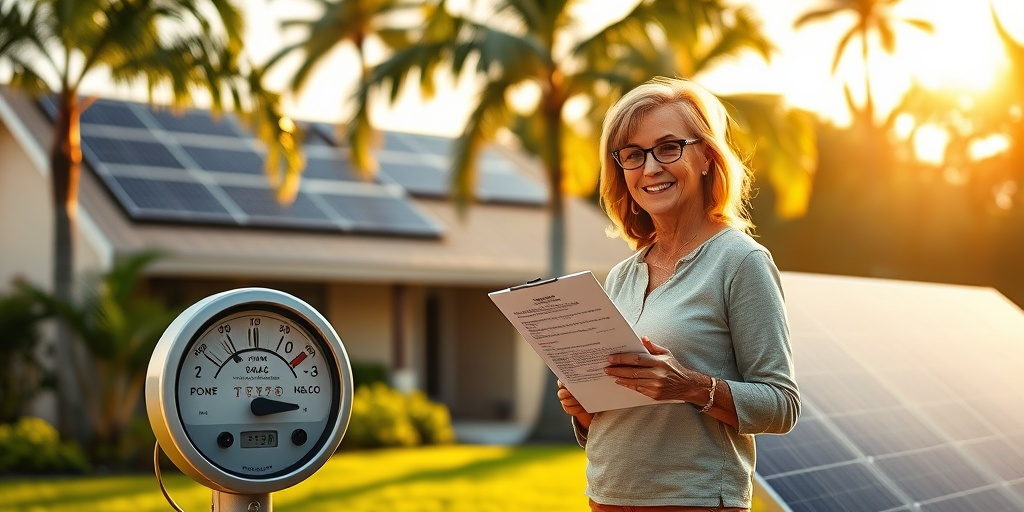
As energy costs continue to skyrocket, Florida homeowners are increasingly looking for ways to reduce their electric bills. Did you know that switching to solar power could potentially slash your energy expenses by as much as 50%? Furthermore, research shows that the average solar panel lifespan is now over 25 years, making this an investment that pays dividends long after installation (SEIA.org). Welcome to the Beginner’s Guide to Understanding Solar Panel Lifespan—a comprehensive resource designed to educate you about your solar investment and ensure it delivers long-term value.
In 2025, understanding the lifespan of solar panels will be more crucial than ever. With rising energy uncertainties and new solar incentives, now is the perfect time to invest in renewable energy. Not only can solar panels help protect your wallet from inflation-driven energy costs, but they can also enhance your property value and support a more sustainable future.
This guide will walk you through five key sections: first, a deep dive into the actual lifespan of solar panels; second, a handy checklist to help you make the right choices moving forward; third, myth-busting around common misconceptions; fourth, a focus on Florida-specific insights that highlight our unique advantages; and finally, a technical examination of solar technology related to lifespan. Let’s embark on this enlightening journey into the world of solar energy!
The True Lifespan of Solar Panels Uncovered
When Florida homeowner Maria decided to switch to solar, she felt a cautious optimism. She had heard conflicting stories about solar panel lifespans, and the last thing she wanted was to invest in a system that wouldn’t serve her for many years to come. Maria’s story represents a growing trend among Florida residents: an eagerness to harness solar energy but a hesitancy due to misinformation.
To understand solar panel lifespan, we must first consider a few key factors:
- Quality of Materials: The longevity of solar panels largely hinges on the quality of their materials. Premium panels, often backed by warranties of 25 years or more, incorporate advanced technologies that push their lifespan to 30 years or longer. This directly correlates to efficiency losses over time.
- Climate Conditions: Florida’s sunny climate is ideal for solar energy production but can also affect panel lifespan. Prolonged exposure to extreme weather conditions can degrade panels over time, though many modern designs are built to withstand harsh environments.
- Installer Expertise: A professional installation can prevent future issues like improper alignment, which might cause shading and inefficiencies. Hiring a reputable installer like Florida Electric & Solar can safeguard your investment.
To illustrate this, let’s look at the statistics. According to research, a well-maintained solar panel can lose about 0.5% to 1% of efficiency annually (Energy.gov). This means that even after 25 years, panels can still yield over 80% of their initial production capacity. Maria learned that by selecting high-quality materials and hiring expert technicians, her solar system would maintain significant efficiency long past the initial installation.
Your Essential Solar Decision Checklist
As you explore the solar industry, keeping the following items in mind can maximize your investment:
- Step 1: Research Your Options – Explore different brands and types of panels (monocrystalline vs. polycrystalline) to find the best fit for your needs.
- Step 2: Read Reviews – Dive into customer testimonials and performance reviews. This information can be invaluable in predicting long-term outcomes.
- Step 3: Evaluate Warranty Terms – Not all warranties are created equal. Make sure to choose a manufacturer that offers a favorable warranty covering both performance and workmanship.
- Step 4: Consult Local Experts – Engaging with professionals can provide insights specific to Florida homeowners. Local regulations can affect your installation process.
- Step 5: Secure Financing Options – Explore different financing routes, including tax credits, rebates, and payment plans that can significantly reduce upfront costs.
This checklist not only helps you understand what’s essential about selecting a solar system but also enhances your confidence as a prospective buyer. Florida homeowners like Maria often find peace of mind knowing they are covering all bases before diving into this important investment.
Myth-Busting Common Solar Misconceptions
In her journey, Maria encountered several myths that almost deterred her from choosing solar energy. Let’s debunk some common solar myths:
- Myth #1: Solar Panels Don’t Work on Cloudy Days – While solar panels are most effective in direct sunlight, they can still generate energy during cloudy conditions. In fact, solar technology has advanced so significantly that even on overcast days, you can produce substantial electricity.
- Myth #2: Solar Panels Require Too Much Maintenance – Many homeowners believe that solar panels are high-maintenance. However, they generally require very little upkeep. Regular cleaning and a systems check once a year are usually sufficient.
- Myth #3: Solar Energy Is Not Cost-Efficient – Initial costs can be high, but with local incentives, considerable savings on electricity bills, and the rising value of solar property assets, solar energy is one of the most cost-effective investments you can make in Florida.
Addressing these myths head-on helps families like Maria’s confidently pursue solar energy without hesitation. With statistics showing that solar installations in Florida rose by more than 20% in the last year (SolarReviews.com), the increasing acceptance of solar across the state speaks volumes about its viability.
Understanding Local Focus: Florida and Solar Lifespan
Maria felt a sense of reassurance knowing she wasn’t alone; a robust community of Florida homeowners has made the switch to solar. Geography plays a vital role in determining the conditions under which panels operate. In Florida, significant factors include:
- Incentives and Rebates: The state of Florida offers several incentive programs for solar installation, significantly reducing upfront costs and ensuring long-term value. Understanding these can optimize your investment.
- Hurricanes and Storms: Florida is prone to severe weather, which can impact solar panel durability. Fortunately, many manufacturers now design panels to withstand high winds and heavy rain, making them suitable for the local environment.
- Increased Property Value: Studies show that homes equipped with solar panels sell for an average of 4% more than those without them (NREL.gov). Hence, investing in solar not only lowers your energy costs but also contributes to your home’s resale value.
Understanding Florida’s specific characteristics enables homeowners like Maria to make informed decisions, adding peace of mind as they embark on their solar journey.
Technical Deep-Dive into Solar Technology
As solar technology evolves, understanding how these systems work, their components, and their performance can aid your decision-making. Key areas to investigate include:
- Solar Panels: The core component of any solar power system, panels convert sunlight into electricity. Evaluating the efficiency ratings and technology types—monocrystalline versus polycrystalline—is essential.
- Inverters: Inverters play a crucial role by converting the generated DC electricity to AC electricity, which is used in homes. Higher quality inverters have longer lifespans and warranties, contributing to the overall effectiveness of your solar system.
- Batteries: While not mandatory, battery storage enables homeowners to save excess energy and use it during peak hours or outages, providing greater energy independence.
Moreover, ongoing advancements in technology are leading to the development of longer-lasting panels and more efficient components. The quest for better energy storage solutions is shaping the future of solar energy investments significantly.
Maria, excited about her findings, was ready to take the next step toward her solar adventure!
Next Steps for Florida Solar Buyers in 2025
Now that you have a comprehensive understanding of solar panel lifespan, it’s time to take action. Here’s a straightforward checklist that can guide your solar journey:
- Step 1: Audit Your Electric Bill – Track your electric usage to determine your solar panel size requirements and savings potential.
- Step 2: Consult with Experts – Reach out to professional solar providers like Florida Electric & Solar for tailored quotes and detailed information on financing options.
- Step 3: Begin Researching Installation Companies – Evaluate local installers based on reviews, licenses, and insurance. This choice is vital for ensuring long-term efficiency and warranties.
- Step 4: Leverage Incentives – Research state and local incentives to enhance your solar financial strategy.
- Step 5: Stay Informed – Keep abreast of solar technology developments and policy changes that may affect your investment.
This roadmap will help you navigate the often-complex solar landscape, empowering you to confidently take the plunge into solar energy. The time to act is now!
In conclusion, understanding the lifespan of solar panels is critical for Florida homeowners considering this life-altering investment. From debunking myths to focusing on local factors, navigating technology and finally arriving at actionable steps; you’re equipped to make an informed decision that can benefit both your finances and the environment.
Investing in solar not only guards your pocket against escalating energy costs but also enriches your family’s legacy by preserving the planet for generations to come. So, are you ready to start your solar journey in 2025? Connect with a certified expert at floridaelectricandsolar.com today.
Related Articles
More insights about Solar Panel

Florida Homeowners: Why Solar Panel Maintenance Is Essential

7 Essential Steps for Solar Panel Installation Success

Expert Insights: Key Factors Influencing Solar Panel Lifespan
Ready to Go Solar?
Have questions about solar energy? Our experts are here to help you make the switch to clean, renewable energy.