
Beginner’s Guide to Understanding Solar Panel Lifespan
Share:
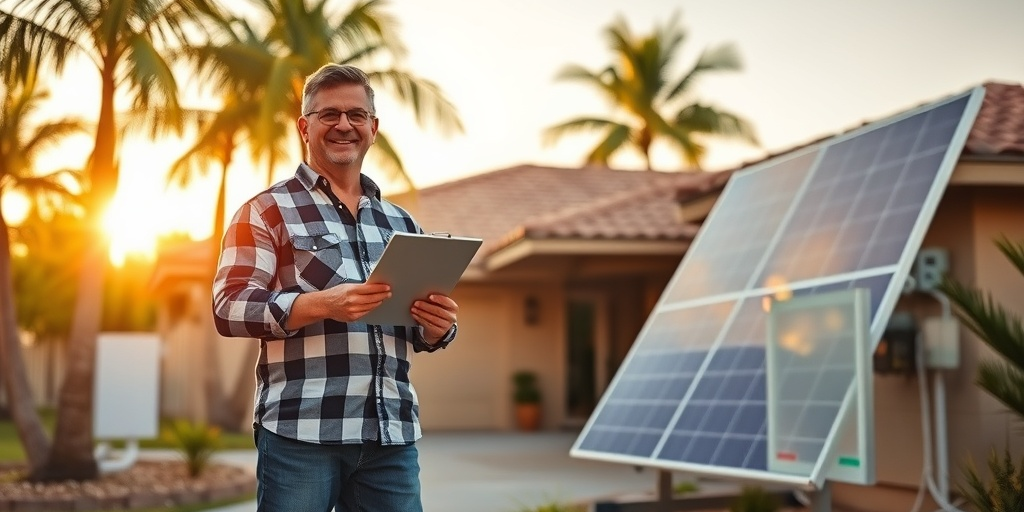
Are you aware that solar panels can last between 25 to 30 years, with some manufacturers backed by warranties that extend even beyond that? This durable technology is not just a passing trend; it’s a long-term investment that Florida homeowners are increasingly turning to for sustainable energy. In our informative guide titled Beginner’s Guide to Understanding Solar Panel Lifespan, we will delve into critical insights about how the lifespan of solar panels affects your overall investment and energy savings. According to a report from the Solar Energy Industries Association, the solar market in the United States continues to rise, with Florida ranking among the top states for solar installations (SEIA.org). Moreover, knowing how to effectively maximize the longevity of your solar system is becoming essential as electric rates are projected to climb in 2025.
This topic is especially urgent today. With the growing instability of the power grid and the increasing cost of traditional energy sources, understanding solar panel lifespan is vital for both residential and commercial property owners. As incentives for switching to clean energy are likely to change in the coming years, making informed decisions now can save homeowners thousands of dollars in the long run. In this blog post, we will cover five key sections:
- Deep Dive into Solar Panel Lifespan
- Essential Steps for Maintenance
- Debunking Common Myths
- Local Focus for Floridians
- Understanding Technical Aspects
By the end of this guide, you’ll not only understand the factors influencing solar panel lifespan, but you’ll also gain actionable steps, local insights, and the knowledge to make the best decisions for your energy future.
Understanding Solar Panel Lifespan: What Florida Homeowners Need to Know
What if I told you that investing in solar power is like planting a tree? Just as a tree grows stronger and more fruitful over time, your solar panels will provide clean energy and savings for decades. Take the story of Jane and Mark, a couple residing in sunny Orlando, as an example. In 2023, they made the decision to go solar to combat their climbing energy bills. They researched extensively about the lifespan of solar products and finally opted for high-quality panels backed by a 25-year warranty. Today, they are not only enjoying significant savings on their electricity bills, but they are also positively impacting the environment, reducing their carbon footprint.
To further understand solar panel lifespan, it’s crucial to consider these factors:
- Quality of Materials: The longevity of solar panels largely depends on the materials used in their manufacturing. Higher quality materials often last longer and are backed by better warranty options.
- Installation Quality: Even the best solar panels will underperform if poorly installed. Working with reputable installation companies, like Florida Electric & Solar, makes a difference.
- Local Climate and Environment: Florida’s warm weather is favorable for solar energy, but factors like humidity, storms, and salt air can also affect panel lifespan. Regular cleaning and maintenance can mitigate these issues.
Statistically, most solar panels today come equipped with a warranty of around 25 years, although they often continue to operate efficiently beyond this duration (SolarReviews.com). Additionally, studies show that they degrade at an average rate of 0.5% per year, thus providing energy well beyond 30 years. This long lifespan transforms your purchase into a reliable investment that pays off over time, making a significant difference in your energy bills.
In our next helpful section, we’ll outline essential maintenance steps that can maximize the lifespan of your solar energy system, ensuring you get the most out of your investment.
Essential Steps for Maintaining Your Solar Panels
Maintaining your solar panels isn’t just good practice; it’s critical for unlocking their full potential and longevity. Here’s a straightforward checklist to ensure your solar system operates efficiently through its lifespan:
- Step 1: Regular Inspections – Schedule annual professional inspections to check for any issues, but also conduct your own regular visual checks. Look for debris or damage, particularly after storms.
- Step 2: Clean the Panels – Dirt, dust, and debris can accumulate on solar panels, affecting their efficiency. Clean them a few times a year, ensuring they operate at peak performance.
- Step 3: Monitor Performance – Use monitoring systems to track the energy production of your solar panels. Any significant drop in production could indicate maintenance is needed.
- Step 4: Trim Surrounding Vegetation – Trees or shrubs that shade your panels can significantly reduce efficiency. Prune back any foliage that could hinder performance.
- Step 5: Document Everything – Keep records of maintenance dates, inspections, and repairs. This documentation can help you identify patterns and plan for future maintenance.
Following these steps will not only facilitate a smoother operational life but also provide peace of mind. To take control of your solar maintenance, visit floridaelectricandsolar.com for expert assistance tailored specifically for Florida homeowners.
Now, let’s delve into the common myths people believe about solar panel lifespan and clear up any confusion.
Debunking Common Myths About Solar Panel Lifespan
Many misconceptions surround solar panels and their lifespan. Understanding these can help you make effective decisions. Let’s debunk some of the biggest myths:
- Myth #1: Solar Panels Are Not Worth The Investment – Many believe that the upfront cost outweighs the benefits. In reality, with tax credits, rebates, and rising electricity prices, solar panels can pay for themselves drastically in a few years (Energy.gov).
- Myth #2: Solar Panels Only Last 10-15 Years – This is a common misunderstanding. Most panels last 25 years or more, and most manufacturers provide performance warranties beyond that timeframe (NREL.gov).
- Myth #3: Bad Weather Ruins Solar Panels – Solar panels are designed to withstand harsh weather conditions, including high winds and hail. Adequate maintenance can further protect your investment.
- Myth #4: You Can’t Install Solar Panels in Florida – With plenty of sunshine throughout the year, Florida is actually one of the best states for solar energy generation.
- Myth #5: You Don’t Need To Maintain Solar Panels – Maintenance is key to maximizing performance and lifespan. Without it, panels can underperform and degrade faster.
Understanding these myths empowers consumers, ensuring they are better informed when considering a solar energy system. This knowledge enhances your investment strategy, allowing you to maximize solar savings.
With better insights, it’s time to focus on the unique aspects of being a solar consumer in Florida.
Solar Energy: A Local Focus for Floridians
The unique climate and regulations in Florida can significantly affect the performance and installation of solar systems. Here are several focal points for Florida homeowners:
- Sunshine State Advantage: According to Solar Energy Industries Association, Florida is one of the top three states for solar potential due to its abundant sunshine, generating over 200 sunny days each year (SEIA.org).
- State Incentives: Florida residents are eligible for property tax exemptions and a federal solar tax credit, further reducing upfront costs.
- Net Metering: Florida offers net metering, allowing homeowners to receive credits for the excess power their solar panels produce, enhancing savings.
- Hurricane Preparedness: In Florida’s hurricane-prone regions, consider installing hurricane-rated panels and ensuring that your installation meets local regulations.
With an understanding of these local advantages, Floridians can leverage the benefits of going solar while mitigating the challenges posed by the climate.
In the following section, we’ll examine the technical details of how these systems work and what aspects contribute to their longevity.
Understanding Technical Aspects of Solar Power Systems
The longevity of solar panels is not arbitrary; several technical aspects play crucial roles in their lifespan. Understanding these can help you appreciate the engineering behind solar energy:
- Photovoltaic Technology: Most panels utilize crystalline silicon technology, which is recognized for its durability and efficiency. High-efficiency panels are often more resilient against environmental factors.
- Inverters and Batteries: Quality inverters are essential for converting DC power to AC power, with high-quality options lasting just as long as the panels themselves. Batteries can store energy but require replacement every 5-15 years depending on the type.
- Billing And Financial Structures: Understanding net metering policies and financing options can affect long-term savings. Choose financing that doesn’t add unnecessary burdens to your financial health.
Supervising your system regularly while understanding the components enhances the lifespan of your investment. Florida Electric & Solar provides educational resources tailored for various solar needs. For more information, visit floridaelectricandsolar.com.
Next Steps for Florida Solar Buyers in 2025
As we enter 2025, the decision to invest in solar energy will hold new significance for many Floridians. Here is a summarizing action plan:
- Audit Your Electric Bill: Understand your current energy consumption to gauge how much you can save with solar.
- Research Your Options: Investigate different installers in your locale. Reviews can provide insight into quality and service.
- Consult With Experts: Schedule consultations with certified solar energy consultants to address any questions you may have.
- Understand Local Regulations: Regulations can differ across regions in Florida. Ensure compliance to avoid issues with installation.
- Monitor Your Investment: Post-installation, it’s crucial to monitor your energy savings in relation to your initial investment.
These steps simplify the process and allow Florida homeowners to efficiently transition to a sustainable energy future.
In conclusion, understanding the lifespan of solar panels is a key element for homeowners contemplating solar energy investments. Overall, a well-maintained solar system can provide significant savings while positively impacting our environment. The urgency to make informed decisions in 2025 regarding energy is paramount for your financial future, your family’s comfort, and the health of our planet.
Ready to start your solar journey in 2025? Connect with a certified expert at floridaelectricandsolar.com today.
Related Articles
More insights about Solar Panel

Florida Homeowners: Why Solar Panel Maintenance Is Essential

7 Essential Steps for Solar Panel Installation Success

Expert Insights: Key Factors Influencing Solar Panel Lifespan
Ready to Go Solar?
Have questions about solar energy? Our experts are here to help you make the switch to clean, renewable energy.