
Beginner’s Guide to Understanding Solar Panel Lifespan and Benefits
Share:
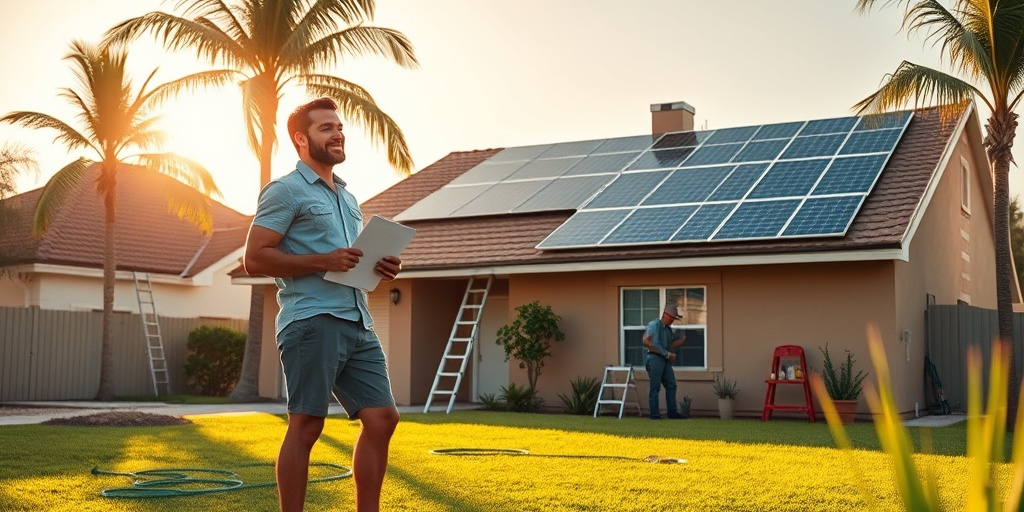
Have you ever considered the long-term financial implications of your home’s energy bill? What if you could significantly reduce or even eliminate those costs while contributing to a cleaner environment? According to the Solar Energy Industries Association, the cost of solar energy systems has declined by nearly 90% over the last decade, making it more accessible for homeowners than ever before (SEIA.org). Moreover, Florida ranks second in the nation for solar capacity, giving residents abundant opportunities to harness solar power for themselves (Energy.gov). This brings us to our topic today: the Beginner’s Guide to Understanding Solar Panel Lifespan and Benefits. In 2025, as energy costs continue to rise and the grid becomes increasingly unstable, understanding solar panel lifespan is crucial for homeowners and commercial property owners alike. This knowledge not only helps you maximize your installation investment but also contributes positively to the environment. In this guide, we will explore:
- Case Study on a Florida homeowner’s solar journey
- A practical Checklist for evaluating solar panels
- Myth-Buster section that will debunk common solar misconceptions
- A Local Focus highlighting Florida-specific statistics and benefits
- A deep-dive into the Technical aspects of solar systems and installation
Let’s dive in and illuminate your understanding of solar energy!
Unveiling the True Lifespan and Benefits of Solar Panels
Imagine living in a sun-drenched state like Florida and having the ability to transform that abundant sunlight into a consistent, cost-effective power source. Meet Sarah, a long-time Florida homeowner who was tired of fluctuating electricity bills and wanted more control over her energy usage. After researching solar options, she decided to install solar panels on her roof, hoping to take advantage of the state’s incentives while significantly reducing her monthly electricity expenses.
Once Sarah made the switch, she discovered that most modern solar panels have an average lifespan of 25-30 years, with some warranty periods extending up to 25 years (SolarReviews.com). This long lifespan ensures that her investment would provide lasting benefits for decades to come. Over the years, she started noticing the tangible results of her decision:
- Stable Energy Costs: By producing her own energy, Sarah’s dependence on grid electricity significantly decreased.
- Increased Property Value: Homes with solar installations often appreciate faster, bringing potential buyers more concern over low energy bills.
- Environmentally Friendly: By choosing solar, Sarah reduced her carbon footprint, contributing positively to the planet.
Sarah’s story illustrates the financial and emotional savings that homeowners can enjoy through solar energy systems. If more residents understood the robust lifespan of solar panels and the varying incentives available, adoption rates would surely skyrocket.
When considering an installation, Florida homeowners should also keep in mind the following checklist when evaluating solar panels:
- Panel Efficiency: Look for panels that offer high efficiency ratings to minimize space without sacrificing output.
- Durability: Ensure that the solar panels are built to withstand Florida’s weather conditions, including hurricanes and heavy rain.
- Warranty Options: Seek panels that come with comprehensive warranties to protect your investment.
- Cost per Watt: Compare the cost of different panels based on their wattage to get the best value.
- Installation Quality: Choose a reputable local installation company, like Florida Electric & Solar, to ensure proper setup and maintenance.
For many homeowners, the myth surrounding solar panel lifespan is that they require constant replacement and frequent maintenance. Myth #1: Solar panels require replacement every 5-10 years. In reality, with proper care, they can last for 30 years or more. Another common myth is that Myth #2: Solar power only works on sunny days. The truth is, solar panels can generate electricity even on cloudy days, though efficiency may vary (SEIA.org).
Florida’s solar policy landscape is ripe with opportunity. Current incentives, such as the federal tax credit and net metering programs, enhance long-term savings for solar adopters. However, many potential users are unaware of these benefits. Myth #3: Solar energy isn’t affordable. It’s crucial to compare costs and potential energy savings rather than view solar investments in isolation. Myth #4: Solar panels decrease home value. On the contrary, solar panels can increase property value by up to 4% in some areas (SolarReviews.com), making homes more desirable for eco-conscious buyers.
Finally, Myth #5: Solar energy isn’t reliable. When one factors in advancements in battery technology and hybrid systems, that myth is debunked as well. By pairing solar with battery storage, homeowners can harness renewable energy even when the sun is not shining.
Moving forward, understanding the technical aspects of solar energy can further enhance your investment. Systems consist of several key components, including inverters, batteries, and the panels themselves. Analyzing these units brings an insightful understanding of what makes solar so innovative and efficient.
The Experts’ Checklist: Steps to Successful Solar Installation
Purchasing and installing solar energy systems can initially seem like a daunting task, but it becomes more manageable when broken down into actionable steps. The experts recommend following these steps to ensure a smooth transition to solar energy.
- Step 1: Audit Your Electric Bill
Before contacting a solar provider, review your electricity bills to understand your energy consumption patterns. This provides essential insights into how much energy you’ll need to produce with solar. - Step 2: Research Solar Providers
Not all solar companies are created equal. Investigate local options like Florida Electric & Solar, which has a stellar reputation for customer service and effective installation. - Step 3: Compare Equipment and Financing Options
Look at different types of panels and inverters available in the market. Options vary in efficiency, durability, and cost and you’ll want to select what suits your particular needs best. - Step 4: Understand Local Policies
Research solar policies specific to Florida. Incentives and regulations may differ significantly depending on your location within the state. - Step 5: Schedule an Installation
Once you’re comfortable with the technology and financing, it’s time to schedule the installation. The process is often seamless and can be completed in a single day.
Although solar energy has become more mainstream, potential buyers may still find themselves worrying about quality or installation concerns. Solar panel efficiency averages around 15-20%, meaning a significant investment yields significant results (Energy.gov). Understanding the intrinsic benefits of solar energy systems confirms that they can be a vital addition to any home.
A Journey Beyond the Solar Horizon
Let’s delve deeper into the compelling case of Thomas, another Florida homeowner. He faced soaring energy bills, especially during hot summers when air conditioning was a must. Seeking relief and sustainability, he embarked on his solar journey. After researching aspects such as panel lifespan, Thomas decided to invest in a solar system that met his family’s long-term needs.
Upon installation, he noticed several transformations:
- Lower Energy Bills: Thomas’s energy costs dropped significantly within months, leading to increased savings overall.
- Energy Independence: By generating his own energy, he no longer felt reliant on fluctuating grid prices.
- Community Support: Thomas became a vocal advocate for solar energy in his neighborhood, encouraging others to join the transition and enjoy the varied benefits.
This narrative sheds light on the immediate and long-term advantages of adopting solar technology. As research from the National Renewable Energy Laboratory indicates, homes equipped with solar systems can save approximately $20,000 to $40,000 over the lifespan of the system (NREL.gov). Not only does this lead to substantial savings, but it also becomes an inspiration for others in the community to reconsider their energy sources.
Increasing knowledge about terms like Net Metering and the 30% federal tax credit can further highlight the economic benefits of solar power. Knowing these statistics encourages homeowners to make informed decisions. However, even with the rising popularity and awareness of solar, skepticism towards its implementation persists.
Fortunately, the stats reveal solid evidence to disprove those doubts. States like Florida are implementing policies to make solar adoption easier, which only goes to show the government’s support for renewable energy. With electric bills climbing, every Florida homeowner needs to reevaluate the impact of solar energy. The future is bright for those who harness this powerful resource.
Next Steps for Florida Solar Buyers in 2025
Aiming to make the switch? Here’s your action plan to ensure you’re well-prepared for a solar installation in 2025:
- Step 1: Audit Your Electric Bill
Assess your recent utility bills to understand your electricity usage patterns. This will help you identify the ideal system size for your home. - Step 2: Understand Financing Options
Explore local and federal incentives, like the Investment Tax Credit, to ensure the purchase aligns with your budget. - Step 3: Research Installation Companies
Check credentials and customer reviews for solar installation companies in Florida to choose a reputable provider. - Step 4: Consult Experts
Engage with professionals knowledgeable in the Florida solar market who can provide tailored advice and projections. - Step 5: Schedule Your Installation
Once you’ve chosen a provider and finalized your options, get your installation on the calendar!
The benefits of solar energy extend far beyond just reducing monthly electricity costs. They include environmental advantages, increased property value, and enhanced energy independence. Homeowners in Florida should proactively make the switch, especially as we move into 2025, which promises an increase in solar-friendly policies and technologies. By thinking ahead and preparing today, you can be ready tomorrow.
As we wrap up this extensive guide, remember that embracing solar energy is not just a trend; it’s a long-term commitment to a sustainable future. The savings and tranquility of mind it offers can change your life for the better. With each passing year, the case for adopting solar gets stronger.
Ready to start your solar journey in 2025? Connect with a certified expert at floridaelectricandsolar.com today.
Related Articles
More insights about Solar Panel

Florida Homeowners: Why Solar Panel Maintenance Is Essential

7 Essential Steps for Solar Panel Installation Success

Expert Insights: Key Factors Influencing Solar Panel Lifespan
Ready to Go Solar?
Have questions about solar energy? Our experts are here to help you make the switch to clean, renewable energy.