
Beginner’s Guide to Understanding Solar Panel Lifespan and Durability
Share:
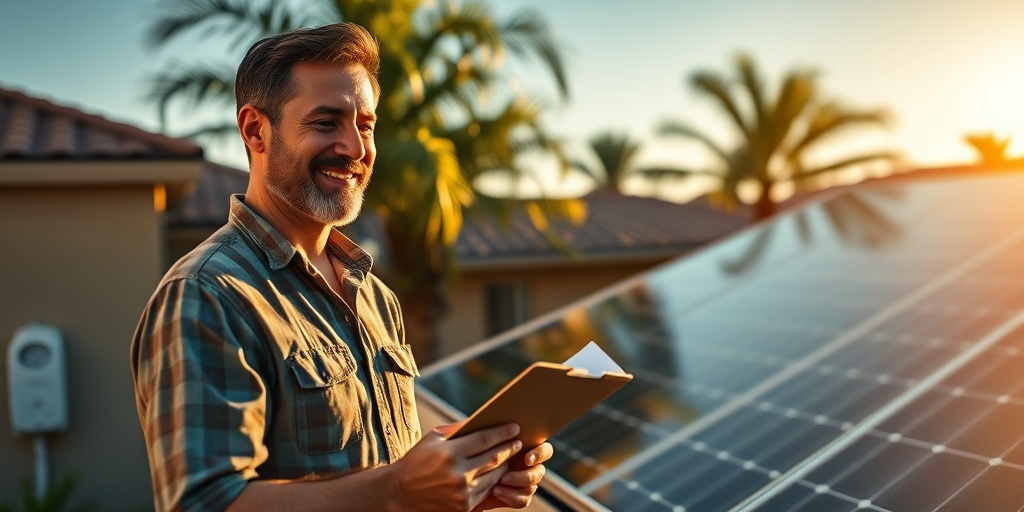
Have you ever pondered how resilient a solar panel is? If you’ve been considering transitioning to solar power, it’s crucial to understand what affects solar panel lifespan and durability. You may be surprised to learn that a solar panel can last upwards of 25 years, but many factors come into play to ensure it functions effectively throughout its life. Welcome to our Beginner’s Guide to Understanding Solar Panel Lifespan and Durability, where we delve into this essential subject that could save you thousands in energy costs and enhance your home’s value.
According to the Solar Energy Industries Association (SEIA), the number of solar installations in the U.S. has grown nearly 167% since 2015, indicating a rapidly growing interest in renewable energy solutions. In Florida alone, solar installations increased by 25% in 2021, surpassing 2.5 million solar panels installed across the state. With energy costs continuously climbing due to inflation, investing in solar energy provides homeowners and commercial property owners a tangible way to take control of their financial future. The urgency to adopt solar solutions has never been more pronounced, particularly as we approach 2025, when new incentives and technologies are expected to drive further adoption.
So, what can you expect from this guide? You’ll discover:
- The factors affecting solar panel lifespan and how durability varies among models.
- Actionable checklists to ensure your solar energy system remains efficient.
- Common myths surrounding solar durability debunked.
- Specific local considerations for Florida homeowners that will impact your decisions.
- A technical deep dive into the technology behind solar power systems.
Let’s embark on this enlightening journey together!
The Factors Affecting Solar Panel Lifespan and Durability
As a Florida homeowner, you may be excited about the prospect of harnessing solar energy. But before leaping, consider the longevity of your potential investment. To understand how to maximize your solar panel’s lifespan, we’ll explore a compelling case study of the Martinez family, a typical Florida household that transitioned to solar power in 2021.
Meet the Martinez family, who were burdened by their escalating electric bills that averaged over $300 per month. After researching, they decided to install a solar energy system, which, after some calculations, guaranteed savings that far exceeded their expectations. But to ensure their system’s lifespan and durability, they completed a few essential steps:
- Conduct Regular Maintenance: Just like any other home system, solar panels require periodic cleaning and inspections. The Martinezes signed a maintenance contract and scheduled biannual checks to ensure everything was functioning correctly.
- Choose the Right Equipment: Not all solar panels are created equal. Researching manufacturers and selecting panels rated with superior durability features—such as those that have passed rigid testing requirements—was key to their long-term success. According to a study by the National Renewable Energy Lab, panels can degrade up to 0.5% in performance each year, emphasizing the need for quality.
- Understanding Local Weather Patterns: Florida’s weather, including hurricanes and heavy rain, necessitates robust equipment. Choosing panels certified for high wind loads matched their needs perfectly.
So, what factors should you consider to maintain durability while maximizing performance? Here’s a checklist:
- Quality of Materials: Invest in high-quality photovoltaic (PV) systems that are backed by strong warranties—typically 25 years. Look for panels with a low degradation rate and high efficiency ratings.
- Installation Quality: The longevity of solar panels significantly depends on a professional, skilled installation. Poorly executed installations can lead to more frequent repairs and replacements.
- Environmental Factors: Florida’s sun is abundant, but exposure to salt, mold, and humidity can affect your panels. Opt for materials specifically designed to withstand local elements.
As the Martinezes experienced, proactive considerations contribute significantly to longevity. Future advancements in technology and policy could enhance solar panel reliability even further. According to the Solar Industry Forecast (SEIA.org), technological innovations are predicted to improve energy production by up to 17% in the upcoming years. It’s evident that preparing for the best options available in terms of durability becomes increasingly important.
Maximizing Solar System Efficiency: A Step-by-Step Guide
Achieving a durable solar panel system isn’t just about installation; it’s also about maximizing performance. Here is a pragmatic guide to help you make the most of your solar investment.
- Step 1: Audit Your Electric Bill: Start by looking at your past electric bills to identify trends and understand how much energy consumption you typically have. This will help you select the right system size.
- Step 2: Consult Professionals: Engage with a reputable solar installer who is experienced with Florida weather and building codes. Their expertise will help you choose durable components, ensuring compliance with local regulations.
- Step 3: Regular System Maintenance: Schedule biannual system checks to identify any potential issues early on. By maintaining performance, you can increase efficiency and reduce costs over time.
- Step 4: Monitor Performance: Utilize smart monitoring systems that alert you to underperformance. These systems can detect degradation early, saving you time and money in maintenance costs.
- Step 5: Stay Informed: Keep abreast of advancements in solar technology, local policy changes, and incentives. This knowledge can help you adapt your system to maximize its potential.
This structured approach will not only enhance the durability of your solar panels but also ensure they are working efficiently throughout their lifespan. Using the right tools and knowledge will provide you with more than just a return on investment; you’ll have peace of mind knowing your system is safeguarded against unforeseen challenges.
Common Myths About Solar Panel Durability Debunked
There are many myths associated with solar energy and its durability—understanding the truth behind these can significantly impact your decision and confidence.
- Myth #1: Solar panels don’t work in cloudy weather.
- Myth #2: Solar panels require constant maintenance.
- Myth #3: All solar panels are the same.
- Myth #4: Solar energy is too expensive to install.
- Myth #5: A solar energy system can’t withstand hurricanes.
This is a common misconception! Although solar panels generate less energy on overcast days, they still harness sunlight. In fact, they can still work at 25-50% efficiency, and modern technology adapts to such conditions effectively.
While periodic checks are essential, solar panels are remarkably low maintenance. Most owners only need to clean them once or twice a year, depending on environmental factors, and get a professional inspection annually.
Not true! There is a wide range of solar panel options with different technologies, material qualities, and warranties. It’s vital to research and choose quality products that suit Florida’s climate.
Although upfront costs can seem high, solar financing options, government incentives, and long-term energy savings make investing in solar energy quite feasible for most Florida homeowners.
Many modern solar panels are tested and certified to withstand high winds and narrow conditions. Continuing advancements in panel technology have made them increasingly resilient, making them suitable for Florida’s hurricane season.
With these myths debunked, Florida homeowners can feel confident in making informed decisions about their solar energy investments. Always prioritize consultations with certified professionals to gain further insights tailored to your specific situation.
New Industry Data and Projections
As solar energy continues to evolve, so does the technology behind it. It’s essential to stay informed about the latest trends and forecasts to understand how to navigate your solar journey successfully. One compelling fact is that according to the Lawrence Berkeley National Laboratory, the average price of residential solar systems has dropped by 70% over the past decade, making it easier than ever for homeowners to invest in sustainable energy solutions.
To illustrate the necessity of adapting to new advancements, let’s consider the fictional journey of Sarah Carter, a Florida single mother who jumped on the solar bandwagon amid rising energy costs.
In 2022, Sarah made the investment in a solar energy system, taking full advantage of state and federal tax credits available. She educated herself about panel types and chose a high-efficiency model that guaranteed minimal degradation over time. Recognizing the importance of comprehensive claims and warranties, Sarah opted for a 25-year production guarantee, ensuring that if anything happened, she would have recourse. Throughout her journey, she learned several lessons:
- Invest in Education: The more you know, the better decisions you make.
- Research Local Incentives: Florida homeowners are eligible for various financial incentives, providing great savings opportunities!
- Prioritize Quality Over Cost: Choosing reliable equipment increases durability and long-term performance.
- Monitor Changes in Policy: Changes in local and state regulations can affect your ROI, so stay informed.
Sarah’s experience exemplifies the importance of monitoring both technology and regulations as they evolve. Adaptation is fundamental to ensuring that your solar investments remain beneficial in the years to come.
Next Steps for Florida Solar Buyers in 2025
With an exciting landscape for solar energy unfolding in Florida as we head into 2025, now is the perfect time to make your move. Here’s a detailed checklist to streamline your transition into solar:
- Step 1: Audit Your Electric Bill: Understand what you need before investing. Gather at least 12 months of bills.
- Step 2: Research Local Installers: Identify quality installers with strong reviews and experience in the Florida market.
- Step 3: Explore Financing Options: Look into available financing and incentives that can significantly reduce upfront costs.
- Step 4: Evaluate Installation Timing: Plan your installation for the off-peak season to potentially save on labor costs.
- Step 5: Monitor Your Systems: After installation, use monitoring systems to track energy production and savings.
By following these steps, not only can you tap into solar savings, but you can also enhance the durability of your system. For additional insights, reach out to us at floridaelectricandsolar.com for personalized guidance on solar options available in your area.
In conclusion, embracing solar energy in Florida isn’t just an investment in your home; it’s a commitment to a sustainable future. The knowledge you’ve gained from this Beginner’s Guide to Understanding Solar Panel Lifespan and Durability equips you to navigate this journey wisely and confidently. Be proactive by conducting meticulous research, staying informed about new advancements, and utilizing resources and incentives. The urgency of rising energy costs emphasizes the importance of this decision for your family’s financial health—now is the time to make a change.
Ready to start your solar journey in 2025? Connect with a certified expert at floridaelectricandsolar.com today.
Related Articles
More insights about Solar Panel

Florida Homeowners: Why Solar Panel Maintenance Is Essential

7 Essential Steps for Solar Panel Installation Success

Expert Insights: Key Factors Influencing Solar Panel Lifespan
Ready to Go Solar?
Have questions about solar energy? Our experts are here to help you make the switch to clean, renewable energy.