
Beginner’s Guide to Understanding Solar Panel Lifespan in Florida
Share:
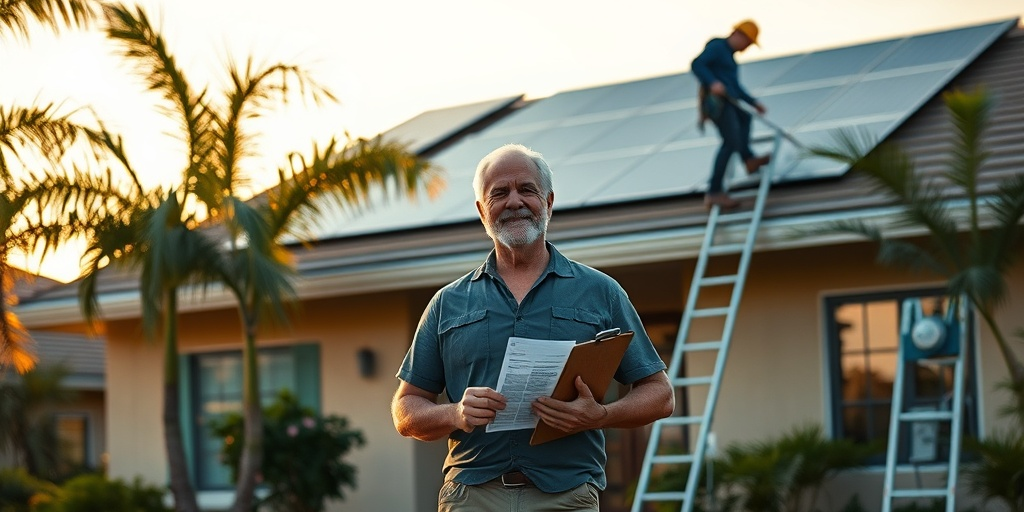
With rising energy costs and an increasing push toward sustainability, it’s no surprise that many homeowners in Florida are exploring solar energy options. Did you know that the average lifespan of solar panels is 25 to 30 years? This statistic is crucial for understanding the long-term investment potential that solar energy offers. In fact, research indicates that solar energy installations have surged over 33% since 2019 in Florida alone (SEIA.org). So, not only is the technology improving, but so is the awareness among homeowners and businesses alike. This drives the urgency in 2025 as new solar incentives will enhance affordability and accessibility for many property owners across the Sunshine State. In this **Beginner’s Guide to Understanding Solar Panel Lifespan in Florida**, we will explore how the longevity of solar panels affects your investment, boosts utility bill savings, and what you need to know to make an informed decision.
In this comprehensive guide, we will delve into five key sections that will empower you on your solar journey:
- Understanding Solar Panel Lifespan: A Deep Dive
- Essential Steps for Considering Solar Energy in Florida
- Debunking Common Myths About Solar Panels
- Best Practices for Solar Installation
- Your Action Plan for 2025 Solar Buyers
The insights in this guide will better equip you to navigate the world of solar energy, helping you recognize its potential as a sustainable investment for your home or business.
Understanding Solar Panel Lifespan: A Deep Dive
The lifespan of solar panels is a critical factor for homeowners in Florida considering this clean energy option. A vivid example comes from Lisa, a single mother from Tampa. After researching various energy solutions, she decided to invest in solar panels. With family budget constraints, she initially hesitated, but the compelling prospect of cutting her electric bills by up to 50% convinced her that it was worth the plunge.
Lisa’s journey sheds light on how solar panels can provide significant savings over their operational lifetime. Solar panels generally last between 25 to 30 years—their efficiency and output declining only slightly over time. In fact, studies have shown that modern solar panels maintain approximately 80% efficiency even after 25 years (SolarReviews.com). This statistic is a game-changer for homeowners worried about the longevity of their solar investment.
To ensure that your investment remains solid, here’s a checklist of crucial components you need to evaluate:
- Durability: High-quality solar panels are designed to withstand Florida’s humid subtropical climate, which includes intense sun exposure and storms. Look for panels with strong warranties, generally covering at least 25 years.
- Installation Quality: Poor installation can shorten the lifespan of any solar panel system. Ensure you are working with certified professionals who specialize in solar energy.
- Maintenance: While solar systems are relatively low-maintenance, periodic cleanings and inspections can significantly extend their longevity and efficiency.
Before diving deeper, let’s debunk some common myths that often mislead people about solar panel investments. Understanding the facts will empower you to leverage the advantages that solar energy offers.
Debunking Common Myths About Solar Panels
Are you hesitant about solar energy due to misconceptions you’ve heard? Let’s clarify some common myths, giving way to an informed you. These myths have persisted far too long and can hold you back from embracing greener energy.
- Myth #1: Solar panels won’t work in cloudy climates.
Reality: Solar panels can still generate significant energy on cloudy days. They harness diffused sunlight, making them effective even in less than ideal weather conditions. - Myth #2: The lifespan of solar panels is too short to justify the cost.
Reality: With a lifespan of 25 to 30 years, solar panels provide returns far exceeding their initial investment. After eight years, homeowners often break even, thanks to savings on electric bills. - Myth #3: Solar energy systems require constant maintenance.
Reality: Solar systems are designed with longevity in mind and require minimal maintenance, typically needing only an annual inspection and occasional cleaning.
Next, let’s focus on Florida-specific data that highlight the increasing viability of solar energy for our state. For instance, the Florida Solar Energy Industry Association reports that solar jobs in our state have grown exponentially, doubling in the last five years (FlaSEIA.com). As a Florida homeowner, investing in solar power not only benefits you financially but also supports a growing industry vital to our economy.
Finally, we can dive into a more technical exploration of the factors that influence the longevity and efficiency of solar panels. This will give homeowners deeper insight into why solar energy systems are a wise choice.
The Technical Deep-Dive: Understanding Efficiency and Longevity
The durability and performance of solar panels largely depend on various factors, including the materials used, the technology behind them, and installation processes. Here are key elements to consider:
- Materials: High-quality solar panels are typically made from monocrystalline or polycrystalline silicon. Monocrystalline panels tend to have higher efficiency ratings (up to 22%) and a longer lifespan than their polycrystalline counterparts.
- Inverter Quality: The inverter converts sunlight into usable electricity. Investing in a high-quality inverter ensures that more energy is captured and utilized effectively, contributing to longer overall system lifespan.
- Battery Storage: Adding battery storage systems can enhance energy efficiency and optimize overall lifespan, allowing homeowners to store excess energy generated during the day for nightly usage.
To truly appreciate the future potential of solar energy, consider that the cost of installing solar panels is projected to drop significantly by 2025, making this the perfect time for Florida residents to invest (Energy.gov). Everybody deserves the chance to lower their bills and contribute to a cleaner environment.
5 Expert Solar Installation Tips for 2025
As a potential solar buyer, following best practices can ensure you maximize both the longevity of your solar investment and your financial returns. Here are five essential tips:
- Don’t skimp on panel placement: Strategically position your solar panels for maximum sunlight exposure, ideally on a roof facing south, west, or east.
- Choose the right technology: Explore the differences between monocrystalline and polycrystalline panels, considering your budget and efficiency needs.
- Consult a local expert: Partner with a reputable solar provider like floridaelectricandsolar.com to ensure the best installation practices tailored for Florida’s unique conditions.
- Factor in energy efficiency upgrades: Before going solar, consider improving your home’s energy efficiency through insulation or energy-efficient appliances.
- Stay informed about state incentives: As solar technologies evolve and governmental policies change, keep abreast of incentives that can lower your costs. The 2025 climate policies may greatly influence your ROI.
As you prepare for solar energy, keeping these best practices in mind will help assure that you are on the right path to harnessing renewable energy effectively and efficiently.
Your Action Plan for 2025 Solar Buyers
Eager to install solar panels in Florida? A clear action plan will guide you through the process. Here’s what to do:
- Step 1: Audit Your Electric Bill. Understand your average monthly consumption and peak usage times to decide what system size suits your needs best.
- Step 2: Research Reliable Providers. Seek out reputable solar companies that offer free consultations. A well-informed choice can lead to cost-effective solutions and quality service.
- Step 3: Assess Your Property. Evaluate roof space, shading issues, and local regulations to determine the viability of your home for solar installation.
- Step 4: Explore Financing Options. Look into solar loans, leases, or power purchase agreements (PPAs) that may reduce upfront costs while still allowing you to benefit from lowered electricity bills.
- Step 5: Schedule Installation. Once you’ve chosen a provider, arrange for professional installation that follows all codes and standards for safety and efficiency.
In summary, entering the solar market has never been as promising as it is today. As the urgency to embrace sustainable energy and consider long-term savings grows, Florida homeowners can play a crucial role in this transition.
In conclusion, solar energy stands out as a reliable, sustainable investment for Florida residents, ensuring not only energy savings but also a positive environmental impact. Understanding the **Beginner’s Guide to Understanding Solar Panel Lifespan in Florida** opens up a pathway to making more informed decisions. By evaluating the longevity of systems and recognizing the existing incentives in 2025, your transition to solar power can lead to enhanced savings and energy independence. In a world where every penny saved counts, embracing solar energy is not merely an option—it’s a necessity.
Ready to start your solar journey in 2025? Connect with a certified expert at floridaelectricandsolar.com today.
Related Articles
More insights about Solar Panel

Florida Homeowners: Why Solar Panel Maintenance Is Essential

7 Essential Steps for Solar Panel Installation Success

Expert Insights: Key Factors Influencing Solar Panel Lifespan
Ready to Go Solar?
Have questions about solar energy? Our experts are here to help you make the switch to clean, renewable energy.