
Beginner’s Guide to Understanding Solar Panel Lifespan for Florida Homes
Share:
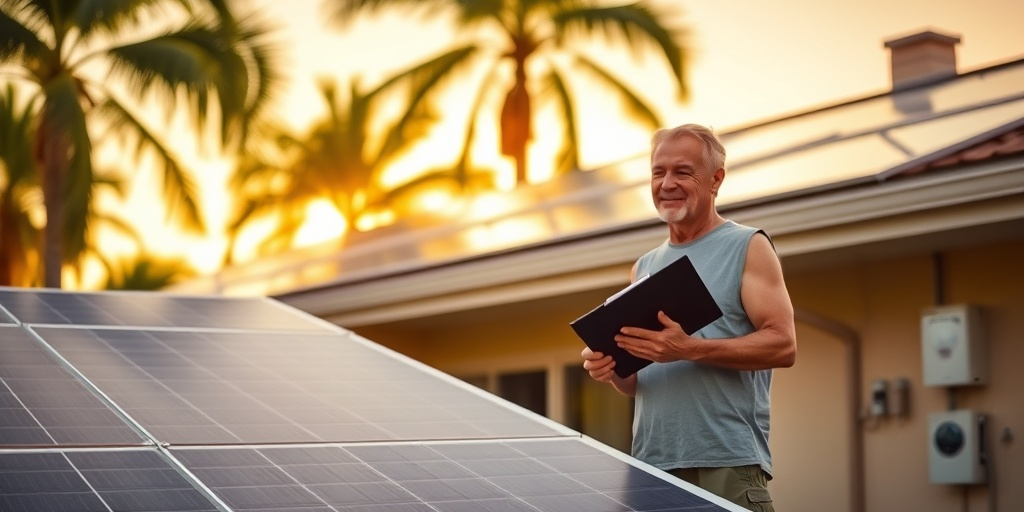
As Florida homeowners venture into the world of solar energy, many questions arise. One powerful statistic reveals that by 2025, Florida is projected to experience a 20% increase in residential solar installations due to rising energy costs (SEIA.org). Yet, how long do solar panels actually last? This question becomes paramount as homeowners seek to maximize their investment in solar energy. Welcome to our Beginner’s Guide to Understanding Solar Panel Lifespan for Florida Homes, where we delve into the crucial aspects of solar panel longevity, exploring how you can ensure your panels provide exceptional value over time. The beauty of solar power lies not just in harnessing the sun’s energy but also in creating a sustainable and economically sound energy future.
In the rapidly changing landscape of energy consumption, especially in 2025, Florida homeowners are faced with new solar incentives, potential grid instability, and ongoing innovations in solar technology. Understanding the factors influencing solar panel lifespan is essential for those looking to cut down on electric bills and invest wisely in their energy future. Throughout this guide, we will cover five key sections, including case studies that illustrate real-world experiences, practical checklists for homeowners, myth-busting common misconceptions, a local focus on Florida-specific data, and a deep dive into the technical aspects of solar power systems. Prepare to empower yourself with knowledge that will not only inform your decisions but also illuminate the path toward a brighter, more sustainable energy future.
Decoding Solar Panel Longevity: A Deep Understanding
Consider the story of Maria, a single mother living in Orlando, who decided to invest in solar panels in early 2025. Like many Floridians, Maria was motivated by rising utility costs, which had skyrocketed by approximately 15% over the past two years due to ongoing fluctuations in the energy market (Energy.gov). After conducting her research and speaking with various solar providers, she selected a reputable local company specializing in solar installations. Her decision was based not only on the financial incentives offered by the state but also on understanding the expected lifespan of her solar panels.
Step 1: Researching Solar Panel Brands
Maria quickly learned that most solar panels available on the market carry a warranty of 25 years, which indicates their expected lifespan. It’s crucial for homeowners to choose panels from trusted manufacturers with established reputations to ensure longevity and reliability. Brands such as SunPower and LG have received high ratings for durability and performance, often providing coverage against defects for up to 25 years (SolarReviews.com).
Step 2: Installation Matters
The panel installation process can significantly impact their lifespan. A poorly executed installation not only affects the performance of solar panels but can also lead to early degradation. Maria enlisted professional installers with extensive experience and gathered online reviews to ensure a quality installation.
Step 3: Regular Maintenance and Monitoring
After installing her panels, Maria discovered the importance of regular maintenance. Ensuring that debris, such as leaves and dirt, did not accumulate on her solar panels helped to maintain their efficiency. Additionally, using monitoring systems allowed her to track energy production and identify any problems early on. Research shows that regular maintenance can extend the lifespan of solar panels and maximize energy output (DSIREUSA.org).
Myth #1: Solar Panels Stop Working After 25 Years
A common misconception is that solar panels stop functioning entirely after their warranty period. In reality, most high-quality solar panels can continue to produce energy for 30 years or more, albeit at reduced efficiency as they age.
Local Focus: Florida’s Solar Policy
Florida’s solar policies also enhance panel longevity. The state has implemented benefits like the Property Tax Exemption for solar systems, which encourages homeowners to invest in solar energy systems (Florida Solar Energy Center). Incentives like these not only save you money upfront but can lead to higher quality installations and better-maintained systems overall.
Technical Deep-Dive: Factors that Influence Lifespan
Several technical factors affect the lifespan of solar panels. These include the type of solar cells used, environmental conditions such as humidity and salt exposure (common in coastal areas of Florida), and the way solar panels are installed. High-quality panels are typically made from monocrystalline or polycrystalline silicon, with monocrystalline panels often being more efficient and longer-lasting (Energy.gov). Understanding these aspects can guide Florida homeowners in making well-informed decisions about their solar energy investments.
In summary, by leveraging the right research tools, ensuring quality installations, and conducting regular maintenance, homeowners can significantly enhance their solar panel longevity. The story of Maria serves as a powerful reminder of how informed decisions enable families to maximize solar savings and cut electric bills. As we move forward, we delve deeper into the practical steps you can take to make your solar journey successful.
Five Essential Steps to Maximize Solar Panel Lifespan
To ensure you protect your investment in solar energy, it’s prudent to follow five essential steps that will maximize the lifespan and efficiency of your solar panels.
- Audit Your Energy Needs: Before installing solar panels, conduct an energy audit to understand your monthly usage. This will help determine the optimal size and number of panels you need, avoiding unnecessary expenses.
- Select Quality Panels: Research and choose panels from reputable manufacturers known for durability. Look for panels that offer robust warranties and have solid performance history.
- Hire Certified Installers: Don’t compromise on quality. Seek installers certified by relevant authorities who have proven track records with similar projects.
- Regular Inspections: Schedule routine inspections and maintenance checks to ensure panels are functioning properly. Look for signs of wear or damage that could diminish efficiency.
- Monitor Performance: Install monitoring systems that provide real-time data on energy production. Tracking this data allows homeowners to notice dips in production and address issues promptly.
Following these steps ensures that your solar panels remain in excellent condition throughout their lifespan. For more information on selecting the right solar solution for your needs, check out floridaelectricandsolar.com.
Debunking Common Myths about Solar Panel Lifespan
As awareness about solar energy grows, so do the myths surrounding it. Let’s address some of the prevalent misconceptions that may cloud a homeowner’s understanding of solar panel lifespan.
Myth #1: Solar Panels Are Inefficient in Cloudy Weather
While it’s true that solar panels generate less energy on cloudy days, they still produce power. Even in overcast conditions, panels can be up to 25% as effective as they are in full sunlight.
Myth #2: Solar Panels Are Too Expensive
While the upfront costs can seem daunting, federal and state incentives, such as tax credits and zero-interest loans, significantly reduce the initial investment. Over time, the savings on energy bills can offset most—if not all—of the costs.
Myth #3: All Solar Panels Are the Same
The quality of solar panels varies significantly by manufacturer, type, and technology. Homeowners should focus on efficiency ratings and longevity, which can differ between conventional and high-efficiency models.
Myth #4: Solar Panels Require a Lot of Maintenance
In fact, solar panels have very few moving parts and generally require minimal upkeep. Regular cleaning and periodic professional inspections are usually sufficient to maintain performance.
Myth #5: You Only Save Money if You Live in a Sunny Area
Even locations with moderate sunlight can benefit from solar energy. Advances in solar technology allow for panels to be installed even in less sunny areas, meaning homeowners can still achieve significant savings on their electric bills (SolarReviews.com).
Understanding these myths helps to clear the air for homeowners contemplating solar energy as a viable solution for their electricity needs. Now, let’s dive into the local context surrounding Florida’s solar energy scene.
Local Focus: Understanding Florida’s Solar Energy Landscape
Florida stands out as a leader in solar energy use, with nearly 1.5 million homes estimated to adopt solar power by 2025 (SEIA.org). This surge in solar adoption reflects the state’s abundant sunshine, supportive policies, and community interest in renewable energy solutions. Here are some factors that illustrate why Florida is an excellent place for solar enthusiasts:
- Favorable Weather Conditions: Florida’s climate provides more sunny days than many other regions, allowing for optimal solar panel performance and energy production.
- State Incentives: Homeowners are encouraged to invest in solar power through various state incentives, such as sales tax exemptions for solar systems that can lead to hundreds of dollars in savings.
- Net Metering Policies: Florida’s net metering allows you to receive credits for the excess energy your solar panels produce, further reducing costs and creating potential income streams.
- Community Support: Many Floridians are actively pursuing solar energy, forming community initiatives to share knowledge and resources, thus fostering a strong solar-friendly culture.
With these local dynamics, Florida homeowners are uniquely positioned to make the most of their solar investments. Engaging with community programs and solar advocacy groups can further enhance not only understanding but also access to the latest technology and resources. As we delve into industry insights, we’ll look at anticipating future trends that will define the solar power landscape.
The Future of Solar Energy: Trends and Insights
The solar industry continues to evolve, bringing new technologies and insights that promise not only to extend the lifespan of solar panels but also to enhance their efficiency. Here are some trends to consider as you plan your solar journey:
- Improved Panel Technology: As manufacturers invest in research and development, advancements in materials—such as bifacial panels—are making solar panels more efficient and adaptable to various environmental conditions.
- Energy Storage Solutions: Battery technologies are becoming more accessible, allowing homeowners to store excess energy for use during peak hours or power outages, resulting in further savings.
- Smart Home Integration: Home automation systems are incorporating solar power management features, allowing homeowners to monitor and control energy usages from their devices seamlessly.
- New Financing Models: Creative financing options, like solar leases and power purchase agreements (PPAs), make solar systems more affordable for homeowners who may not have the funds for upfront costs.
- Increased Consumer Awareness: As more information about solar energy becomes available, educated consumers are better equipped to make informed decisions and advocate for their energy needs.
These industry insights reveal a promising landscape for solar energy in Florida and emphasize the importance of staying informed about emerging technologies. By keeping tabs on the latest innovations, you can make informed decisions about your solar investment.
Next Steps for Florida Solar Buyers in 2025
As you plan your solar energy journey, follow these practical steps to ensure a smooth transition to solar power. By understanding each step and taking action, you can reduce friction and maximize your solar investment.
- Step 1: Audit Your Electric Bill – Review your monthly electricity usage to understand how much solar capacity you’ll need. Compile your average usage over the past year to get a clearer picture.
- Step 2: Investigate Local Incentives – Research and document available local, state, and federal incentives that can reduce your costs. Check websites like floridaelectricandsolar.com for the latest information.
- Step 3: Research Solar Providers – Compile a list of reputable solar providers in your area. Read reviews and assess their experience to find the best fit for your needs.
- Step 4: Get Multiple Quotes – Obtain at least three quotes and compare services, warranties, and prices. Don’t rush; ensure you’re fully informed before making your decision.
- Step 5: Schedule Your Installation – Once you’ve selected a provider, schedule your installation date and prepare your home for the process. Discuss the logistics with your provider to ensure a smooth installation.
Each of these steps builds upon the previous one, facilitating a comprehensive understanding of the solar process. As Florida homeowners embrace solar energy solutions, the potential to own your power and cut energy costs becomes increasingly achievable. By following the structured path laid out, you embark on a successful solar journey.
Conclusion: The Way Forward in Solar Energy
In conclusion, the journey toward harnessing solar energy begins with understanding the critical factors that influence solar panel lifespan. By empowering yourself with knowledge and actionable steps to maximize your investment, you can not only improve your energy efficiency but also contribute to a sustainable future for Florida. From Maria’s inspiring story and the debunking of myths to embracing state-specific opportunities, every facet of this guide illustrates the potential and necessity of solar energy in 2025.
By being proactive and informed, Florida homeowners can expect significant long-term benefits from their solar investments while contributing to a brighter, greener future. Remember, the choice to go solar extends beyond personal savings; it’s about securing a legacy for future generations.
Ready to start your solar journey in 2025? Connect with a certified expert at floridaelectricandsolar.com today.
Related Articles
More insights about Solar Panel

Florida Homeowners: Why Solar Panel Maintenance Is Essential

7 Essential Steps for Solar Panel Installation Success

Expert Insights: Key Factors Influencing Solar Panel Lifespan
Ready to Go Solar?
Have questions about solar energy? Our experts are here to help you make the switch to clean, renewable energy.