
Beginner’s Guide to Understanding Solar Panel Lifespan and Maintenance
Share:
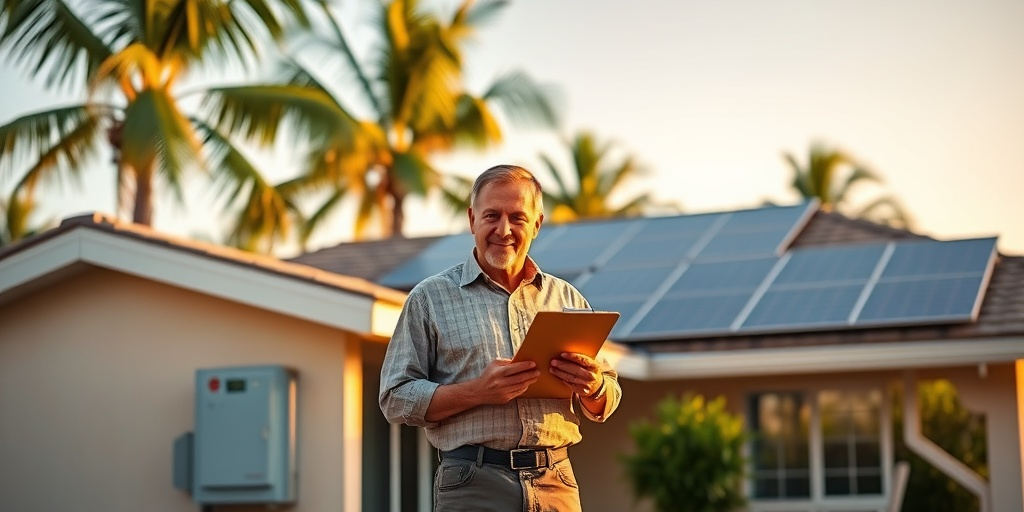
As energy costs continue to ascend and environmental concerns grow, homeowners across Florida are looking for sustainable solutions that also promise financial relief. Did you know that solar energy systems can reduce electricity bills by up to 70%? This significant savings is why an increasing number of Floridians are investing in solar power. Moreover, the US Solar Energy Industries Association reported that Florida ranks third nationwide for solar capacity, with over 12,000 megawatts installed in 2023 (SEIA.org). In this context, understanding the lifespan and maintenance of solar panels is crucial for every prospective solar buyer—this is your Beginner’s Guide to Understanding Solar Panel Lifespan and Maintenance.
Why is diving into this topic critical now, more than ever? As we approach 2025, state incentives and federal tax credits are primed to make solar energy more accessible, meaning it’s the perfect time to lock in a substantial return on your solar investment. This guide will explore key aspects of solar panel lifespan, essential maintenance practices, and how these elements impact your overall savings. You’ll discover how to care for your solar installation effectively, debunk many myths associated with solar power, and grasp the technical details that lay the foundation for long-lasting and efficient systems. Here’s what we’ll cover:
- A Deep Dive into Solar Panel Lifespan
- A Comprehensive Maintenance Checklist
- Common Myths About Solar Panels Debunked
- Florida-Specific Solar Insights
- Technical Analysis of Solar Power Systems
Let’s begin our journey into the world of solar energy by delving deep into the lifespan of solar panels and how you can maximize their effectiveness over the years.
Examining Solar Panel Lifespan: What You Need to Know
To truly appreciate the value of investing in solar energy, it’s essential to understand how long your solar panels are expected to perform and why that matters. A recent analysis shows that on average, solar panels have a lifespan of about 25 to 30 years—a statistic that potentially saves homeowners thousands of dollars on energy bills (Energy.gov). However, like any long-term investment, understanding the factors that affect their longevity can not only enhance your savings but also ensure you maximize your return on investment.
This begins with the story of *Sarah*, a Florida homeowner with a passion for environment-friendly solutions. After conducting thorough research and receiving quotes from various solar companies, Sarah invested in a solar power system for her home in 2022. Fast forward to 2025, and she has enjoyed consistent savings on her energy bills while also contributing to a cleaner planet. Yet, among her acquaintances, skepticism loomed regarding solar panel maintenance and lifespan. *“How long will they last?” “Are they worth it?”* were common questions that Sarah debated. Today, let’s explore these inquiries with actionable insights.
Factors Impacting Solar Panel Lifespan
- Quality of Materials: Higher-quality panels, typically those rated with a more extended performance warranty, can last significantly longer. Leading brands like SunPower or LG offer high-efficiency options that often exceed the 25-year standard lifespan.
- Installation Quality: Proper installation by a certified solar professional is imperative. Correct positioning, tilt, and angle will affect performance and longevity.
- Environmental Factors: In Florida, while ample sunshine contributes positively, consistent exposure to humidity and high winds from storms can impact the integrity of components. Ensuring your system is appropriately shielded can mitigate damage.
- Regular Maintenance: A lack of maintenance can shorten the lifespan of your panels. Just like any investment, keeping your panels clean and in working order is key to their efficiency.
These four factors demand attention from Florida homeowners looking to maximize their solar investment. To help you with tangible next steps, here’s a checklist to guide you:
Checklist for Improving Panel Lifespan
- Step 1: Choose Quality Panels: Research reputable brands and consult experts about warranties and performance reviews.
- Step 2: Engage a Certified Installer: Only work with licensed contractors who have experience installing solar panels in Florida.
- Step 3: Monitor Local Weather Conditions: Be aware of extreme weather forecasts, especially during hurricane season, and prepare your system accordingly.
- Step 4: Schedule Regular Inspections: Engage professional services to evaluate your installation and clean it periodically, especially after heavy storms.
- Step 5: Review Your Production Data: Use monitoring tools to keep track of your panels’ energy production over time to identify discrepancies that might indicate maintenance needs.
By following this checklist, solar panel owners like Sarah can ensure they maximize their investment by protecting their systems from potential degradation.
Myths About Solar Panel Lifespan
Understanding the reality of solar panel lifespan is crucial to dispelling common myths surrounding solar energy. Here are some prevalent misconceptions and the truths behind them:
- Myth #1: Solar Panels Only Last 10-15 Years: Many believe solar panels are short-lived due to outdated information. However, most panels have warranties extending to 25 years (SolarReviews.com).
- Myth #2: All Solar Panels Are the Same: On the contrary, the lifespan greatly depends on the brand and the quality of the components used. Not all solar panels are equivalent; high-efficiency panels tend to have better longevity.
- Myth #3: Panels Don’t Need Maintenance: Regular upkeep is essential. Just like a car, neglecting system maintenance can lead to performance declines and reduced lifespans.
- Myth #4: Solar Energy Is Expensive: The reality is that financial incentives and decreasing system costs make solar energy a financially smart decision, particularly by 2025 when many federal incentives will take effect.
- Myth #5: Panels Lose Efficiency Quickly: While there can be some degradation, quality panels often maintain 80% of their efficiency even after 25 years.
Clearly, solar panels possess remarkable longevity when properly maintained, demystifying their significance as a viable long-term investment. But why does this particularly matter for Florida homeowners?
Local Focus: Florida’s Solar Landscape
Florida’s reputation as the “Sunshine State” serves as an ideal backdrop for solar energy growth. Over the last decade, the Sunshine State’s solar capacity more than quadrupled, ranking Florida as a leader in solar energy adoption. According to the Florida Public Service Commission, there are sharply reduced barriers to solar adoption, thus paving the way for a brighter solar future (FPSC.gov).
Additionally, homeowners can often leverage solar power systems to generate savings that help cushion the cost of living in a region prone to high energy expenses. Unfortunately, some residents remain unconvinced, still debating the necessity and effectiveness of solar panel investments despite the substantial benefits. You could be in a position akin to Sarah—spending too much on utility bills and missing out on a forward-thinking energy solution.
In conclusion, grasping solar panel lifespan and the factors that influence it is fundamental for anyone contemplating solar energy installation in Florida. By utilizing the outlined maintenance strategies and separating fact from fiction, you can prepare to harness the sun’s energy effectively.
In the following sections, we will provide you with an essential maintenance checklist to streamline your upkeep processes and ensure your solar system remains efficient over its long-term service life.
A Comprehensive Maintenance Checklist
When investing in solar energy, maintenance might not be the most exciting aspect, but it is undoubtedly one of the most essential. A solar power system that remains clean and well-maintained ensures that energy production stays within optimal levels throughout its lifespan. Here’s a comprehensive checklist that every Florida homeowner should consider:
- Check for Dirt and Debris: Regularly inspect the panels for dirt, leaves, or any other obstructions that could impede sunlight absorption. Cleaning panels at least twice a year is recommended—more often if you live near construction sites or foliage.
- Inspect Array Angle: Ensure that your panels are correctly positioned for maximum sun exposure. Seasonal adjustments, if possible, can make a significant difference in energy output.
- Review Connections and Wiring: Inspect for any exposed wiring or connections as these issues could lead to efficiency losses. Engage a professional if you notice any wear or damage.
- Monitor Inverter Functionality: Inverters convert the energy from solar panels into usable electricity. Ensuring that your inverter is operational is paramount; keep an eye on the LED status lights for any issues.
- Annual Professional Inspections: Schedule yearly inspections with a certified solar technician to evaluate all components of your solar system, from panels to inverters. This ultimately increases your system’s lifespan.
By adhering to this checklist, Florida homeowners can optimize their solar energy systems well into their operational lives. Continuous upkeep not only translates to saving money but also maximizes your solar investment and environmental contributions.
To dive deeper into your solar journey, do visit floridaelectricandsolar.com for more resources.
Common Myths About Solar Panels Debunked
Misconceptions surrounding solar panels are rampant, and it’s crucial to clarify these points. Here’s an essential breakdown designed to communicate the facts about solar panel lifespan and maintenance:
Addressing the Myths
- Myth #1: Solar Panel Maintenance Is Expensive. This myth can deter many homeowners. However, basic upkeep usually involves a simple hose or broom wash, and periodic professional checks are affordable, especially when you consider the cost savings you reap from solar energy.
- Myth #2: Solar Panels Don’t Work in Cloudy Weather. In fact, solar panels can still generate energy on overcast days—albeit at lower efficiency levels. The vast amount of sunshine in Florida offers solar panels substantial energy yield year-round.
- Myth #3: All Solar Panels Are the Same. As mentioned earlier, the quality, efficiency, and warranties of panels differ significantly among manufacturers. It’s vital to research and compare options to find the best fit for long-term investments.
- Myth #4: Solar Power Cannot Compete with Traditional Energy Sources. As more homeowners adopt solar systems, they increasingly find it to be a cost-effective choice. The price of electricity has increased steadily over the years, while solar prices have continued to decrease.
- Myth #5: Solar Energy Isn’t Renewable. On the contrary, solar energy is one of the cleanest energy sources available, contributing to sustainable development while reducing greenhouse gas emissions.
By dispelling these myths, Florida homeowners can approach solar energy with a clear understanding of its true potential and benefits. As verification strengthens, interest in solar energy solutions holds a promise of a brighter future for your home—and the environment.
Next, we’ll explore Florida’s unique solar landscape that supports the growth of solar energy, providing insight into how you can take full advantage of local policies and incentives.
Local Focus: Florida’s Solar Landscape
Florida is rapidly becoming a national leader in renewable energy adoption, making 2025 an exciting year for solar energy in the state. With incentives like the Florida Renewable Energy Technologies Sales Tax Exemption and Federal Investment Tax Credit, homeowners can significantly reduce the price of installing solar systems (DSIREUSA.org). Let’s explore the local landscape that makes Florida favorable for solar adoption.
Key Insights into Florida’s Solar Market
- Robust State Incentives: Floridians can take advantage of numerous incentives aimed at lowering initial installation costs, further enhancing the appeal of going solar.
- Improving Technology: Technological advancements continue to enhance solar panel efficiency and efficiency upgrades, increasing the systems’ ROI for homeowners.
- Community Initiatives: Local grassroots movements and community programs foster awareness about solar energy, further driving market adoption.
- Climate Resilience: Florida’s relatively high exposure to natural disasters highlights the environmental benefits of transitioning to solar, as it decreases reliance on fossil fuels.
- Growing Market Demand: As energy prices rise, homeowners and businesses alike are leaning towards solar energy as an alternative that aligns with their economic interests.
The combined effect of these elements is a fertile ground for solar adoption in Florida as 2025 approaches. Homeowners stand to benefit not just environmentally but personally, as they can gain financial savings as solar technology continues to innovate.
In closing, understanding the local context and market dynamics is key to successfully navigating the solar landscape. As solar power continues to surge in popularity, it’s vital that homeowners align themselves strategically to reap the maximum benefits. Next, we’ll provide a detailed technical analysis that informs how solar power systems function and how to leverage them.
Technical Analysis of Solar Power Systems
Now that we’ve laid the groundwork regarding lifespan, maintenance, and local dynamics, let’s dive into the technical aspects of solar power systems to provide a comprehensive understanding of how they operate.
The Inner Workings of Solar Energy Systems
Your solar power system consists of several core components that work in tandem to optimize performance:
- Solar Panels: These are the heart of your system, converting sunlight into electricity. A mix of silicon, glass, and aluminum makes up the composition of solar panels, enabling maximum sunlight absorption.
- Inverters: The inverter is responsible for converting direct current (DC) generated by the panels into alternating current (AC), the form of electricity used in your home.
- Mounting Structures: These elements keep your solar panels securely fixed to your roof or ground mount, crucial for ensuring stability and optimal orientation toward the sun.
- Battery Storage Systems: Optional but beneficial, battery systems store excess energy generated for later use, especially useful during peak electricity usage times or outages.
- Monitoring Systems: Monitoring technology enables you to track your system’s performance in real-time, ensuring accountability and efficiency, while alerts can signal potential issues.
As you delve deeper into your solar investment, understanding each component’s function allows homeowners to troubleshoot issues effectively and know when consulting a professional may be necessary. Investing in monitoring systems is of particular interest, providing peace of mind while ensuring your system operates at peak efficiency.
Florida’s growing interest and demanding market requirements are perfect for solar technology innovation. As systems become more advanced, cost-efficient, and user-friendly, you’ll want to be proactive in ensuring your installations are up-to-date and functioning well.
As we conclude, we will pivot towards a structured action plan to help Florida residents begin their solar journey and how to leverage these insights to make a sound investment.
Next Steps for Florida Solar Buyers in 2025
Ready to embark on your solar journey? Understanding how to move forward is crucial for making informed decisions. Below is an actionable checklist to guide Florida homeowners in making the transition to solar power:
- Step 1: Audit Your Electric Bill: Start by reviewing your current electricity bills. Understanding your consumption patterns will help you determine the size and capacity of the solar system needed to satisfy your energy needs.
- Step 2: Research Local Incentives: Familiarize yourself with financial incentives available. Florida offers various tax credits, rebates, and grants that can significantly cut the costs of installation.
- Step 3: Consult Professionals: Collaborate with certified solar installers experienced in Florida. Gather multiple quotes, and discuss your specific needs to ensure tailored recommendations.
- Step 4: Create a Budget: Outline an estimated budget based on your research, including installation costs, maintenance expectations, and potential savings to calculate Return on Investment.
- Step 5: Make the Decision: Once you gather all necessary information and advice, proceed confidently. Trust in your research and commit to transitioning to solar power.
This action plan guides you through the decision-making process while keeping your financial welfare and the environment top of mind. The transformative potential of solar energy is within reach, and by acting now, you can begin a journey toward energy independence.
Taking proactive steps today will lead to long-term gains in cost savings, environmental impact, and energy security. So, as we finish up this guide, let me remind you:
Conclusion
By understanding the lifespan, maintenance prerequisites, and the local dynamics of solar power in Florida, you are now better equipped to make informed choices. Investing in solar energy is not just about cutting costs; it’s a commitment to a sustainable future for your family and community. Embrace the shift toward renewable energy, which promises longevity, savings, and peace of mind.
Remember, Sarah’s story echoes many others, showing that with the right research, commitment, and action, your solar journey can be fruitful and transformative. Make a choice that benefits not just your wallet but also generations to come. Are you ready to start your solar journey in 2025? Connect with a certified expert at floridaelectricandsolar.com today.
Related Articles
More insights about Solar Panel

Florida Homeowners: Why Solar Panel Maintenance Is Essential

7 Essential Steps for Solar Panel Installation Success

Expert Insights: Key Factors Influencing Solar Panel Lifespan
Ready to Go Solar?
Have questions about solar energy? Our experts are here to help you make the switch to clean, renewable energy.