
Beginner’s Guide to Understanding Solar Panel Lifespan and Performance
Share:
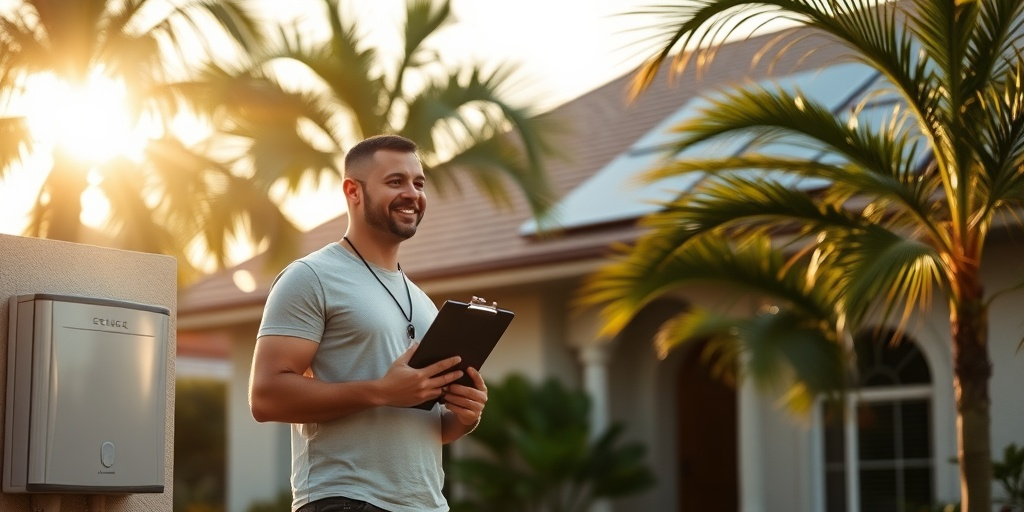
Imagine waking up one sunny Florida morning, and instead of worrying about rising energy costs, you’re sipping your coffee while comfortably discussing your guaranteed energy savings. This is not just a dream; it can be your reality if you understand the critical factors affecting solar panel lifespan and performance. In this Beginner’s Guide to Understanding Solar Panel Lifespan and Performance, we will walk you through everything you need to know to take control of your energy destiny, especially as we gear up for the new incentives and energy demands of 2025. Did you know that the average lifespan of solar panels ranges between 25 to 30 years, with manufacturers providing warranties often lasting 25 years (SEIA.org)? Moreover, solar panels have shown performance degradation rates of only 0.3% to 0.5% per year, meaning your investment can pay off significantly over time (SolarReviews.com).
As more Florida homeowners recognize the urgent need for sustainable energy sources, now is the time to empower yourself with knowledge about solar technology. The solar landscape is evolving rapidly, with new incentives introduced in 2025 that could change the game for solar customers. Understanding how solar panels work and their lifespan is no longer a luxury but a necessity for homeowners looking to save money, protect their environment, and control their energy expenses.
In this guide, we will delve into five main areas: the lifespan of solar panels and how it affects performance, a checklist for assessing your solar needs, myths surrounding solar technology, the importance of considering Florida-specific factors, and finally, a technical deep-dive into the mechanics of solar power. By the time you finish reading, you’ll not only have a clear picture of what solar energy can offer but also how you can harness its potential for your home or business.
The Lifespan and Performance of Solar Panels
The lifespan and performance of solar panels are crucial aspects to consider before making your investment. In this section, we’ll explore a real-life case study, provide actionable checklists, debunk prevalent myths, spotlight local factors affecting Florida homeowners, and dive deeply into the technical elements behind panel performance.
Case Study: The Success of the Johnson Family
Meet the Johnsons, a family from Sarasota, Florida. Eager to cut their electric bills, they decided to invest in solar energy. They researched thoroughly, focused on factors affecting solar panel lifespan, and selected high-quality panels designed to last over 25 years. Within six months, their electric bills dropped by 60%, a direct result of harnessing solar energy. In their third year, the performance degradation rate of their panels proved lower than the industry standard, reaffirming their decision (NREL.gov).
This success story isn’t unique; many Florida homeowners experience significant savings while enjoying the benefits of clean energy. As you can see from the Johnson family, understanding solar panel lifespan impacts your performance expectations and long-term savings—a point often overlooked.
Checklist for Assessing Your Solar Needs
- Step 1: Evaluate your energy usage—review your electricity bills over the past year to determine your average monthly consumption.
- Step 2: Research available solar incentives—Florida has various programs that can help you save significantly on installation costs.
- Step 3: Choose high-quality solar panels—opt for brands with proven performance, warranties, and durability to maximize your investment.
- Step 4: Consider battery storage options—batteries can provide backup power during outages and allow for greater energy independence.
- Step 5: Work with a reputable installer—select a certified provider that understands Florida’s unique needs and regulations, such as Florida Electric & Solar.
Myth-Buster: Common Misconceptions about Solar
Many myths surround solar power, often creating confusion and dampening interest. Here are some prevalent myths and the facts that debunk them:
- Myth #1: Solar panels don’t work on cloudy days.
Fact: While solar panels perform best in direct sunlight, they can still generate significant electricity during cloudy days. Cloud cover does not stop their functionality. - Myth #2: Solar panels are too expensive.
Fact: The initial investment can seem high, but when accounting for rebates and long-term energy savings, it becomes much more manageable. Many Florida homeowners reduce their bills by up to 80% after installation. - Myth #3: Solar panels require constant maintenance.
Fact: Solar panels are designed to be low maintenance. Regular cleaning and occasional checks are generally sufficient to keep them operating at peak efficiency. - Myth #4: You can’t install solar in rentals.
Fact: Many renters can negotiate with landlords to install solar panels, and finding community solar options is also a viable alternative. - Myth #5: Solar panels degrade quickly.
Fact: Quality solar panels can last between 25-30 years with minimal degradation rates of 0.3% to 0.5% per year (SolarReviews.com).
Myth-busting can significantly affect the choice to invest in solar technology and can make the transition more accessible for many homeowners. Understanding what is true versus what is not ensures Florida residents can make informed decisions.
Local Focus: What Florida Homeowners Need to Know
Florida’s unique environment and policies significantly impact how homeowners should approach solar energy. From its sunny climate to state incentives, here are some key points to keep in mind:
- Florida is the third-largest solar state in the U.S., with nearly 5,000 megawatts of solar capacity installed (Energy.gov).
- The state offers a Property Tax Exemption for residential renewable energy systems, meaning homeowners won’t see a tax increase because of their solar installation.
- Net metering policies in Florida allow homeowners to receive credits for surplus energy generated, making solar even more economically appealing.
- With frequent hurricanes, selecting durable and reliable solar technology is crucial, ensuring your investment withstands severe weather conditions.
This localized insight allows you to make a more strategic decision when considering your solar energy options. Understanding the Florida landscape can enhance the performance of your solar system over its lifespan.
Technical Deep-Dive: Understanding Solar Panel Mechanics
To truly comprehend solar performance and lifespan, we must understand the technical variables at play. Here are some essential considerations:
- Solar Panel Technology: Explore options like monocrystalline, polycrystalline, and thin-film panels. Monocrystalline panels tend to have higher efficiency and longevity, making them a popular choice.
- Inverter Quality: The inverter converts solar energy into usable power; investing in high-quality inverters prolongs the overall lifespan of your solar system.
- Battery Storage: Incorporate energy storage systems to maximize usage, especially in emergencies or during peak rate times.
- System Design: Ensure proper system sizing and layout, considering local conditions such as shading from trees or buildings, which can affect overall efficiency.
A thorough understanding of the technical aspects can empower you to make educated choices that improve your solar power system’s lifespan and performance.
The Future of Solar: What Lies Ahead
As we enter a new era of energy consumption in 2025, it’s vital to consider the upcoming trends and technologies that will influence solar energy. By now, you’ve hopefully recognized just how critical understanding your solar investments is becoming. In this section, we will highlight emerging innovations, financial developments, and industry changes that will impact every Florida homeowner ready to embark on their solar journey.
Emerging Innovations in Solar Technology
The solar industry is continually evolving, with innovations that expand capabilities and maximize efficiency. Some exciting advancements include:
- Building-Integrated Photovoltaics (BIPV): New designs fuse solar panels directly into building materials, promoting aesthetics alongside functionality.
- Flexible Solar Panels: Advances mean panels can be lightweight and bendable, allowing for unique applications in residential areas.
- Improved Battery Storage Solutions: Innovations are paving the way for more efficient and longer-lasting battery systems that can effectively store energy for extended periods.
Staying ahead of these trends can make a significant difference as homeowners look for ways to maximize their solar setup without sacrificing aesthetics or functionality.
Financial Developments on the Horizon
With governmental initiatives aiming to foster green energy, Florida homeowners should be aware of potential financial benefits:
- Tax Incentives: Anticipated federal tax incentives may provide substantial rebates to offset installation costs for new systems; updates on these incentives will be key.
- Grant Opportunities: Look for upcoming grant programs aimed at supporting solar energy systems, particularly for low-income homeowners.
- Financing Options: Flexible financing structures from lenders will likely expand, allowing more homeowners to go solar with reduced upfront costs.
Policy Changes Impacting Solar Adoption
As policy makers prioritize renewable energy sourcing, changes might affect homeowners adopting solar technology. Potential areas of focus include:
- Increased push for renewable energy standards that may include stricter solar mandates for new construction.
- Expanding net metering opportunities in favor of homeowners, enhancing economic feasibility for solar systems in residential neighborhoods.
- Integration of solar into community programs that allow for shared solar solutions, catering to renters and those unable to install systems on their properties.
Understanding these developments can help Florida homeowners align their decisions with future energy landscapes, ensuring they maximize both environmental and financial benefits.
Next Steps for Florida Solar Buyers in 2025
Now that you understand the critical factors affecting solar panel lifespan and performance, it’s time to put this knowledge into action. Following a structured plan will help eliminate confusion as you transition into using solar energy. We’ve laid out a straightforward action plan for you to consider as you embark on your solar journey.
- Step 1: Audit Your Electric Bill—Assess your monthly usage and peak hours to understand your potential solar needs.
- Step 2: Explore Provider Options—Research local solar providers and check their customer reviews and service history.
- Step 3: Schedule a Consultation—Reach out to solar companies, like Florida Electric & Solar, for expert advice on panel options that suit your needs.
- Step 4: Compare Warranties—Choose a solar system with warranties of 25 years or more to ensure long-term investment protection.
- Step 5: Start the Installation Process—Once you’ve gathered enough information and selected your provider, proceed with confidence towards installation!
Conclusion
Becoming knowledgeable about solar panel lifespan and performance will empower you to make sound decisions as you transition to solar energy. Understanding the nuances around lifespan, performance, myths, local regulations, and technological innovations ensures you’re not just making an investment but taking a step towards energy autonomy and sustainability.
Every aspect, from the initial costs to the long-term savings and environmental benefits, paints a compelling picture for going solar in Florida. This is an urgent decision that will affect your finances, family, and future for decades. There’s no better time than now to explore solar energy’s potential and reap the rewards.
Ready to start your solar journey in 2025? Connect with a certified expert at floridaelectricandsolar.com today.
Related Articles
More insights about Solar Panel

Florida Homeowners: Why Solar Panel Maintenance Is Essential

7 Essential Steps for Solar Panel Installation Success

Expert Insights: Key Factors Influencing Solar Panel Lifespan
Ready to Go Solar?
Have questions about solar energy? Our experts are here to help you make the switch to clean, renewable energy.