
Beginner’s Guide to Understanding Solar Panel Maintenance
Share:
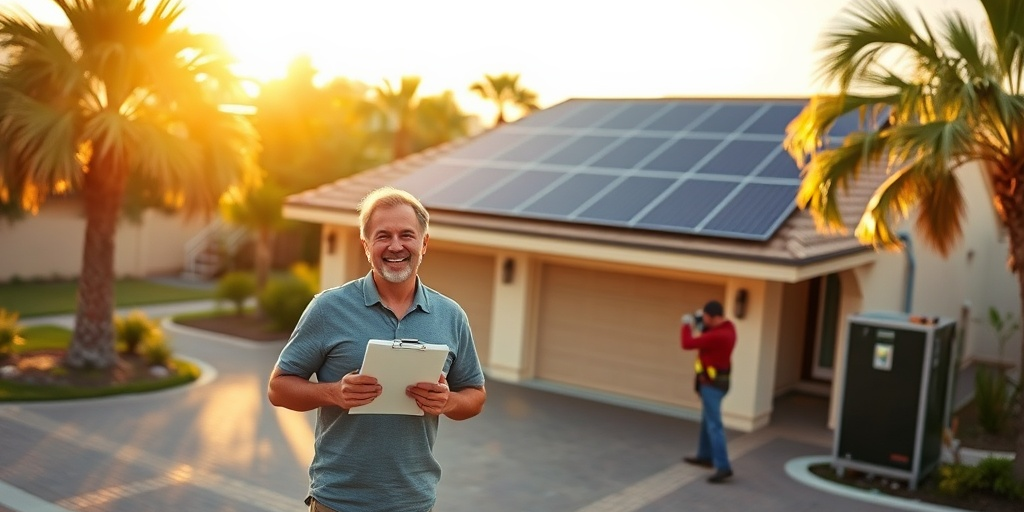
Imagine looking up at the sun-drenched sky of Florida, knowing that each ray filtering down could power your home, reduce your energy bills, and even contribute to a sustainable future for generations to come. According to the Solar Energy Industries Association, Florida ranks among the top states in the U.S. for solar installations, making it the perfect locale for homeowners seeking energy independence through solar power (SEIA.org). Yet this remarkable journey does not simply begin with installation—it includes an important aspect that is often overlooked: solar panel maintenance. In our Beginner’s Guide to Understanding Solar Panel Maintenance, we will dive deep into how you can ensure your solar system performs optimally for years to come.
In 2025, as energy costs continue to rise and more Floridians consider going solar, understanding how to properly maintain your solar panels will be crucial for maximizing the return on your investment. With new incentives for renewable energy and increasing awareness of grid instability, the urgency to capitalize on solar energy has never been greater. In this guide, we will cover the following sections:
- An In-Depth Case Study.
- A Step-by-Step Maintenance Checklist.
- Common Myths About Solar Panel Maintenance.
- Florida-Specific Energy Insights.
- A Technical Deep Dive into Solar Equipment and Policies.
By the end of this guide, you will not only demystify solar panel maintenance but also empower yourself with actionable insights that keep your system efficient and effective.
A Real Homeowner’s Maintenance Journey
Meet Sarah, a Florida homeowner who decided to install solar panels on her quaint home in St. Petersburg after her energy bills hit an all-time high last summer. Sarah believed solar power was the solution not just to her soaring bills, but also to contribute positively to the environment. After a smooth installation from Florida Electric & Solar, she anxiously awaited the results. But soon, Sarah learned that her solar journey didn’t stop at installation; effective maintenance was integral to extend the life of her solar panels.
In the first few months, Sarah noticed a noticeable drop in her utility bills, with savings averaging around $150 per month. But around the eighth month, she realized her savings plateaued; she contacted Florida Electric & Solar to help pinpoint the issue. Upon inspection, it was discovered that Wildlife had built a nest near the solar array, leading to debris accumulating on the panels. This setback underscored an essential lesson: regular maintenance is crucial.
So, how did she resolve the issue? Here are the steps Sarah and her family took:
- To inspect the panels regularly: Every month, Sarah added a quick inspection to her calendar to examine her rooftop.
- Remove debris promptly: When sawdust and twigs started appearing, they didn’t let it linger; a simple sweep was done.
- Schedule professional maintenance: Sarah decided to schedule an annual professional cleaning from Florida Electric & Solar, ensuring expert eyes assessed her panels.
With these proactive measures, Sarah learned that solar maintenance plays a pivotal role in ensuring optimal performance. For Florida homeowners considering solar energy, it’s imperative to grasp the essentials of solar panel maintenance.
Your Solar Maintenance Checklist
Are you ready to embark on your solar maintenance journey? Follow this step-by-step checklist to guarantee that your solar panels are running efficiently and effectively:
- Step 1: Regular Visual Inspections – Check your solar panels once a month for dirt, leaves, or debris. Remove any accumulations to enhance light absorption.
- Step 2: Monitor Your Energy Output – Use your solar monitoring app to keep an eye on your energy production. Notice any significant dips and act accordingly.
- Step 3: Hire Professionals Annually – Schedule yearly maintenance with an experienced solar provider to ensure your panels, connections, and inverter are in excellent working condition.
- Step 4: Keep Surroundings Clear – Maintain a safe distance between trees and vegetation that can hinder sunlight. Trim back any overhanging branches.
- Step 5: Understand Local Weather Effects – Given Florida’s unique climate—hurricanes, heavy rains, and even hail—evaluate how the weather may affect your panels and address issues promptly.
By following this checklist, Florida homeowners can ensure their solar systems remain effective and continue to help save money on electric bills well into the future. Integrating routine checks into your household activities will simplify this essential maintenance.
Myth-Busting Solar Maintenance Misconceptions
As you delve into solar panel maintenance, it’s essential to navigate through the misconceptions that can cloud your understanding. Let’s debunk some prevalent myths:
- Myth #1: Solar Panels Don’t Need Maintenance – Many believe solar panels are ‘set it and forget it.’ Regular maintenance is vital for optimal performance and battery life.
- Myth #2: Rain Cleans Solar Panels – While rain can help, it often isn’t enough to remove stubborn grime or debris. Periodic manual cleaning is still necessary.
- Myth #3: You Can’t Insure Solar Panels – Some homeowners think solar panels aren’t insurable. In reality, many homeowners insurance providers include solar systems in their policies.
- Myth #4: If They Break, It’s a Major Cost – While repairs can seem daunting, most reputable providers offer warranties that cover the first few years of issues at no extra charge.
By dispelling these myths, Florida homeowners can better grasp the importance of taking care of their solar investments.
Florida-Specific Insights and Benefits
When it comes to installing and maintaining solar panels, the unique landscape and climate of Florida add a crucial layer of considerations for efficiency. Understanding these localized details can help you maximize benefits.
Florida residents enjoy a plethora of state-specific benefits such as:
- High Solar Potential: Relying on the sun more than most other states, Florida receives an incredible average of over 264 sunny days a year, translating to higher outputs of solar energy.
- State Incentives: Florida incentives promote solar installations, with various local utility programs offering rebates and net metering options (SEIA.org).
- Tax Benefits: Solar energy installations are eligible for a 26% federal tax credit, significantly decreasing the upfront costs associated with system installations.
However, it’s not all beneficial sun. Florida’s storms and hurricanes can pose risks to solar panel integrity. Here’s where regular maintenance becomes vital to safeguard your investment against severe weather impacts:
- Ensure all panels are securely bolted to withstand strong winds.
- Check for loose connections post-storm.
- Assess for roof leaks—especially after heavy rains.
For comprehensive tips on staying informed about Florida’s solar benefits, visit floridaelectricandsolar.com. Knowledge is your first line of defense against unexpected issues.
Understanding Solar Equipment and Policies
In this section, we’ll dive deeper into the technical components that power your solar array and how local policies might affect your maintenance practices. Solar panels consist of several parts—each requiring a specific form of attention to ensure all work harmoniously:
- Solar Panels: The prime element that transforms sunlight into electricity. Be sure to inspect for scratches or dirt.
- Inverter: This component converts the direct current (DC) from the panels into alternating current (AC) used in homes. Regular checks for alarms or errors can save you hassle.
- Battery Storage: To maximize solar savings, storing excess energy is crucial. Keep track of battery cycles and replace them post their lifespan.
- Billing Structure: Understanding your electric carrier’s billing structure helps assess how your solar output offsets your electric costs.
Considering local regulations is equally important. Florida has specific codes regarding panel installation and maintenance to ensure safety and efficiency, including:
- All solar installations in Florida should comply with the Florida Building Code.
- Some areas require specific permits for installation—check with local zoning laws.
- Fines can be imposed for failing to maintain panels adequately.
Getting connected to an expert in your area can significantly enhance your maintenance routine. For expert services and resources, visit floridaelectricandsolar.com.
Next Steps for Florida Solar Buyers in 2025
As we wrap up this comprehensive guide, it’s time to take actionable steps towards maximizing your solar investment. Here’s how to get your maintenance plan off the ground:
- Step 1: Audit Your Electric Bill – Take a close look at your usage and understand how solar could impact your expenses.
- Step 2: Schedule Your Initial Inspection – Connect with Florida Electric & Solar to set up an evaluation of your current system.
- Step 3: Create a Maintenance Schedule – Based on the checklist shared, create your yearly roadmap for inspections and cleanings.
- Step 4: Join Local Networks – Engage with local solar initiatives to stay informed about potential changes in policies or incentives.
- Step 5: Monitor Your System – Regularly check the performance metrics of your solar energy system and adjust as necessary.
By proactively managing these steps, Florida homeowners can maximize the efficiency and longevity of their solar panels while embracing a sustainable lifestyle.
In conclusion, understanding solar panel maintenance is not just an option—it’s a necessity for any Florida homeowner looking to make the most of their solar investment. With energy costs on the rise and new solar incentives in 2025, the time to act is now. Protecting this investment will ensure peace of mind for your family and help you contribute positively to the environment. With diligence and the right tools, you can position yourself to enjoy the long-term benefits of solar energy.
Ready to start your solar journey in 2025? Connect with a certified expert at floridaelectricandsolar.com today.
Related Articles
More insights about Solar Panel

Florida Homeowners: Why Solar Panel Maintenance Is Essential

7 Essential Steps for Solar Panel Installation Success

Expert Insights: Key Factors Influencing Solar Panel Lifespan
Ready to Go Solar?
Have questions about solar energy? Our experts are here to help you make the switch to clean, renewable energy.