
Beginner’s Guide to Understanding Solar Panel Maintenance for Homeowners
Share:
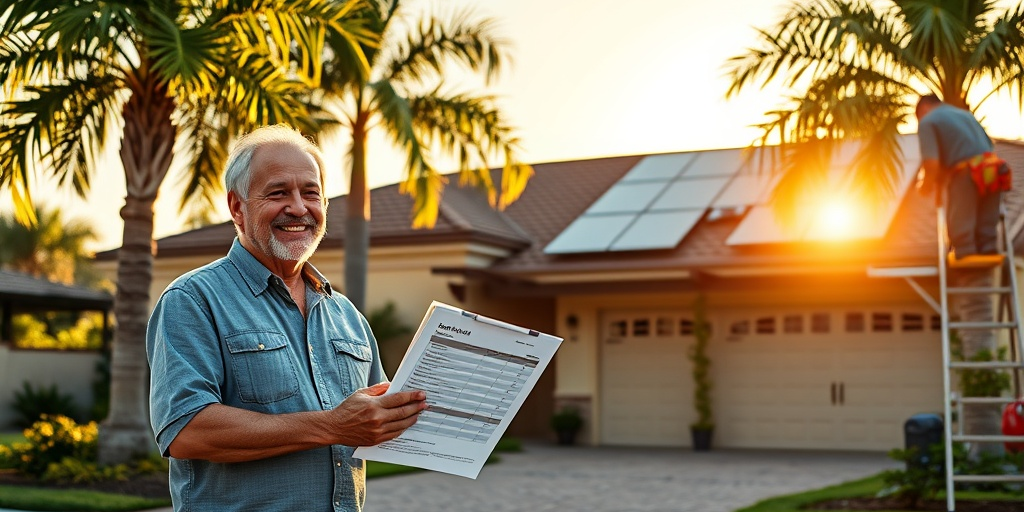
Are you one of the many Florida homeowners contemplating a switch to solar power? With rising electricity costs and a keen interest in sustainability, more and more Floridians are turning to the sun, the most abundant energy source on our planet. The average homeowner can save $20,000 or more over the lifespan of a solar system (SEIA.org), and with the cost of solar installations steadily decreasing, there has never been a better time to invest. Welcome to our “Beginner’s Guide to Understanding Solar Panel Maintenance for Homeowners,” where we equip you with the knowledge you need to protect your investment and ensure optimal performance!
As we approach 2025, Florida homeowners are feeling the heat of escalating energy prices; the need for reliable and affordable energy sources is critical. By understanding the ins and outs of solar panel maintenance, you can maximize your solar savings, prolong the lifespan of your system, and contribute to a healthier planet. Armed with the right information, you’ll be able to tackle any maintenance needs with confidence.
In this guide, we’ll demystify solar panel upkeep through the following sections:
- A deep dive into solar panel maintenance case studies, checklists, and common misconceptions.
- The critical importance of routine cleaning and inspections.
- Expert installation tips and best practices for your solar systems.
- A narrative or data-driven expansion based on real-life Florida solar experiences.
- A clear action plan to get you started on your solar journey.
So, sit tight as we explore everything you need to know about maintaining your solar panels and ensuring sustainability in your energy consumption for years to come!
Understanding Solar Panel Maintenance: What Every Homeowner Needs to Know
Imagine living in a spacious home in Tampa, where the sun shines almost every day. Meet Sarah, a Florida homeowner who decided to install solar panels two years ago. After making the investment, she realized that understanding how to maintain her panels was crucial for maximizing her energy savings while ensuring they operated at peak efficiency.
Here’s a checklist to get you started on solar panel maintenance:
- Step 1: Inspect Your Panels Regularly – Look for any obvious dirt, debris, or damage.
- Step 2: Clean Your Solar Panel Surfaces – Use a soft brush or sponge with warm soapy water or hire a professional.
- Step 3: Ensure Proper Drainage – Check for any blockages that may cause water pooling on your panels.
- Step 4: Monitor Your Energy Production – Keep an eye on your energy production using performance monitoring systems.
- Step 5: Schedule Regular Professional Inspections – Have a certified technician check your system annually.
Now, let’s bust some myths surrounding solar panel maintenance:
- Myth #1: Solar Panels Don’t Need Maintenance – Just like any appliance, your solar panels require routine maintenance for optimal performance.
- Myth #2: Rain is Sufficient for Cleaning – Rain can wash away some dirt, but regular cleaning is still essential to maximize efficiency.
- Myth #3: Solar Panels Are Fragile – Most panels are built to withstand harsh weather conditions, but they can still get damaged if not properly looked after.
- Myth #4: Solar Panel Efficiency is Static – Over time, systems can become less efficient without maintenance, leading to lower energy production.
- Myth #5: You Can’t Get Performance Data – Many modern solar systems come equipped with monitoring systems to track energy production.
As a Florida homeowner, it is vital to recognize the unique conditions affecting your solar panels. High humidity and tropical storms make routine inspections and maintenance even more important (Florida Solar Energy Center). Neglecting your panels may lead to unwanted repair costs and reduced energy savings.
Let’s dive deeper into the technical aspects of solar panel maintenance, such as understanding different systems, the workings of inverters, and how battery storage systems influence performance. From early morning sunlight to the glow of dusk, it’s essential to keep your panels in pristine condition to harness every ray of Florida sunshine. Knowing the components at play is key to maintaining efficiency.
Now that we’ve established the basics, we’ll transition into our next section, diving into best practices for solar installation.
Essential Solar Panel Best Practices for Homeowners
When it comes to solar power, knowledge is your greatest ally. Ignoring installation tips can lead to wasted energy, lower power output, and increased maintenance needs. Here are five expert installation tips to guide Florida homeowners in 2025:
- 1. Invest in Quality Equipment – Selecting high-quality solar panels and inverters is a critical step towards long-lasting efficiency. Look for products with solid warranties and strong performance ratings.
- 2. Optimize Panel Placement – Consult with professionals to ensure optimal orientation and tilt. Panels should be positioned to absorb maximum sunlight.
- 3. Monitor Shadowing Effects – Be aware of potential shading from trees, buildings, or other structures, which can drastically reduce efficiency.
- 4. Consider Battery Storage – Solar battery storage can help you store excess energy for use during peak demand times or outages, maximizing savings.
- 5. Utilize Performance Monitoring Systems – Employ tools to keep tabs on your system’s performance and catch any anomalies quickly.
Before you take the leap, it’s pivotal to grasp the initial costs versus long-term benefits of solar panel installation. The upfront investment can be intimidating; however, with the average solar PV system saving homeowners about $1,500 each year (Energy.gov), the decision becomes an economically sound one. Yet, if solar panels are incorrectly installed or inadequately maintained, those savings could turn into unnecessary costs.
Don’t forget: always consult with a Florida-based solar expert from floridaelectricandsolar.com to ensure your unique needs are met and maximize your return on investment.
The Solar Journey of a Florida Family: Emily and Jake’s Experience
Meet Emily and Jake, a couple living in Jacksonville, who decided to go solar in early 2024. Their decision was spurred by rising energy prices and concerns for the environment. They understood that it wasn’t just about installing solar panels; it was about committing to regular maintenance for lasting efficiency.
When they first installed their system, they meticulously followed their dashboard analytics, tracking energy production. They soon began to notice a dip in output; this motivated them to troubleshoot. Here’s what they discovered:
- Regular panels needed cleaning due to buildup caused by nearby trees.
- They were unaware of the shifting angle of the panels throughout the year, which required periodic adjustments.
- Annual professional inspections highlighted potential issues with their inverter that could lead to downtime.
- Planning for Hurricane Season meant securing their panels properly for upcoming storms.
This couple’s journey underscores an essential truth: proactive maintenance can save money and prevent minor issues from spiraling into costly repairs. Understanding the specific challenges of living in Florida is crucial, as the state’s unique climate can contribute to maintenance needs. In fact, some estimates suggest solar systems in Florida need maintenance checks 10 to 20% more frequently than in other states due to humidity and storm activity (FloridaSolar.org).
In light of their experiences, it’s critical for every Florida homeowner to embrace the importance of incorporating a straightforward maintenance schedule tailored for our unique climate.
Next Steps for Florida Solar Buyers in 2025
As you embark on your solar journey, it’s essential to have a solid action plan that reduces any friction you may face along the way. Here’s your step-by-step guide:
- Step 1: Audit Your Electric Bill – Determine your energy needs and assess how much you could save with solar energy.
- Step 2: Research Reliable Solar Companies – Look for reputable organizations and read client reviews for peace of mind.
- Step 3: Swot Analysis – Perform a SWOT analysis (Strengths, Weaknesses, Opportunities, Threats) to evaluate your decision.
- Step 4: Get Multiple Quotes – Compare offerings from different providers to ensure you’re getting the best deal.
- Step 5: Schedule a Consultation – Connect with experts at floridaelectricandsolar.com to discuss your needs and establish a timeline.
Keeping these steps in mind can simplify your transition and help you make informed choices. The more you know, the easier it will be to maintain and protect your investment.
Final Takeaways: Embracing Solar Panel Maintenance as a Priority
Through our journey today, we have explored the essential components of solar panel maintenance, from understanding its importance for money savings and system efficiency to practical tips and personal stories of Florida homeowners. With the sun as your ally, you can not only minimize your electric bills but also contribute positively to the environment.
As we move forward in 2025, the number of families investing in solar energy will continue to grow. The choice to go solar is not just a financial decision; it’s a movement toward sustainable living and energy independence. Secure your financial future, protect your investment, and ensure lower energy costs by embracing the necessity of solar panel maintenance.
Ready to start your solar journey in 2025? Connect with a certified expert at floridaelectricandsolar.com today.
Related Articles
More insights about Solar Panel

Florida Homeowners: Why Solar Panel Maintenance Is Essential

7 Essential Steps for Solar Panel Installation Success

Expert Insights: Key Factors Influencing Solar Panel Lifespan
Ready to Go Solar?
Have questions about solar energy? Our experts are here to help you make the switch to clean, renewable energy.