
What Are the Benefits of Solar Panel Installation for Homeowners
Share:
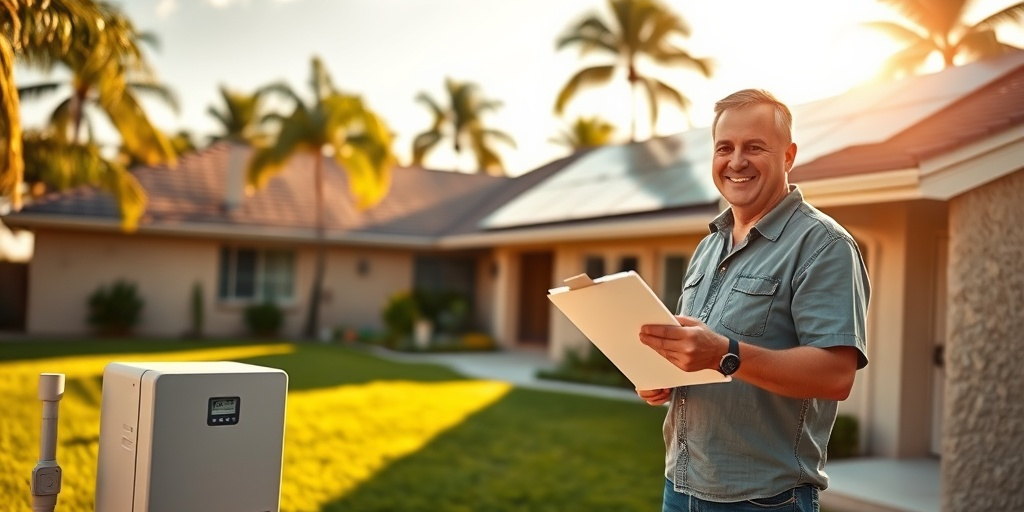
With the sun blazing in the Florida sky for an average of 237 days a year, it’s no wonder that solar energy has climbed the ranks as an essential energy solution for homeowners across the Sunshine State. A lifestyle built around clean energy significantly impacts not only the environment but also the living expenses of thousands of residents. Did you know that, according to the Solar Energy Industries Association, Florida ranked fourth in the nation for solar installations as of last year? This trend is expected to continue, especially as energy prices on the rise threaten household budgets. Furthermore, a recent study revealed that homes with solar panels sell faster and for about 4.1% more than those without (Zillow.com). All of this underscores one central idea: the benefits of solar panel installation for homeowners in Florida are not just compelling; they are vital in 2025. In this article, we will explore the various benefits of solar panel installation through an educational lens, including the economic advantages, environmental impacts, and insights into the technology powering this green revolution. We will also provide actionable steps for homeowners to harness these benefits effectively.
In the first section, we’ll delve into a compelling case study, demonstrating how a real Florida homeowner transformed their energy consumption. Following this, a comprehensive checklist will be provided to guide you through the solar installation process. Next, we will dispel common myths regarding solar energy that might still linger among potential adopters. In section four, we will zoom in on local aspects specific to Florida, leveraging state statistics and policies that favor solar adoption. Finally, we will conduct a technical deep-dive covering several pieces of solar technology, from panels to batteries, and billing nuances. After exploring these five sections, you will not only understand the benefits of solar energy but also be equipped with the knowledge to take your first steps—armed with the urgency that 2025 presents for prospective solar buyers.
Transforming Energy Habits: A Real Florida Homeowner’s Story
Meet the Johnsons, a family of four residing in Gainesville, Florida. Like many families, they felt the financial pinch of rising utility bills each month. By 2024, their electric bill had escalated to over $200 monthly, resulting in a growing concern over their budget. After digging into possible solutions, the Johnsons discovered the potential benefits of solar panel installation; a decision that would bring them more than savings—it would become their pathway to energy independence.
Initially apprehensive about the upfront costs, they were relieved to learn about the state and federal incentives available for solar energy systems. The Federal Investment Tax Credit (ITC) allows homeowners to deduct a significant percentage from their federal taxes, making the transition financially viable for many. For the Johnsons, the deduction meant an immediate discount on their solar system, translating into a lower overall investment. With the help of Florida Electric & Solar, they designed a system that met their energy needs without excessive costs.
- Step 1: Calculating energy usage—Understanding their past electricity consumption was critical in determining the size of the solar system they needed.
- Step 2: Exploring financing options—The Johnsons evaluated differences between buying their system outright versus leasing, ultimately opting to purchase.
- Step 3: Installing the solar system—The installation was completed within three days by a specialized local crew, who ensured minimal disruption to their daily lives.
- Step 4: Connecting to the grid—The local utility company quickly enabled the grid connection, allowing the Johnsons to start generating energy.
- Step 5: Monitoring their system—With an accompanying app, they could track energy production and savings in real-time.
By the end of 2024, the Johnsons recorded a remarkable 70% reduction in their energy costs. Not only did they notice immediate savings, but their home became increasingly valuable due to the solar installation—homes in their neighborhood with solar panels saw property values increase by an average of 4.1% (Zillow.com). Excited about their decision, the Johnsons champion the cause, discussing their positive experience with their neighbors, thereby contributing to a growing acceptance of solar energy in their community.
5 Essential Steps for Florida Homeowners Considering Solar Panel Installation
If you’re pondering whether solar panel installation could be a fit for your home, consider the following essential steps designed to help you on your solar journey:
- Step 1: Audit Your Electric Bill – Begin by reviewing your electric bills over the past year. This will give you a clear picture of your energy consumption trends and costs, allowing you to gauge how much of your usage can be offset by solar power.
- Step 2: Assess Your Roof – Take a good look at your roof. Factors such as orientation, age, and roofing material can significantly impact solar panel efficiency. A south-facing roof free of obstructions typically offers the best potential.
- Step 3: Explore Incentives – Familiarize yourself with local and federal incentives available to Florida homeowners. Programs like the Solar Energy Systems Property Tax Exemption can further ease your financial burden.
- Step 4: Choose a Reputable Installer – It’s crucial to select an installer who understands Florida’s unique environmental considerations and regulations. Research local companies, check customer reviews, and ask about their warranties and maintenance options.
- Step 5: Maximize Your Investment – After installation, monitor your solar energy system’s performance regularly. Understanding how to optimize its use will further enhance your energy savings.
Equipped with these essential steps, Florida homeowners will be better prepared to make informed decisions regarding solar energy installation. Should you need assistance, experts at floridaelectricandsolar.com are on hand to guide you through the process, ensuring a smooth transition to a sustainable energy future.
Debunking Solar Myths for Florida Homeowners
As solar energy gains popularity, several myths can hinder homeowners from making this beneficial transition. Let’s dispel some of these widespread misconceptions.
- Myth #1: Solar Panels Are Too Expensive – While the initial investment can be significant, financial incentives such as the ITC and local rebates drastically reduce costs. Many homeowners find that their systems pay for themselves over time through energy savings.
- Myth #2: Solar Energy Is Unreliable – Many people believe solar energy is ineffective on cloudy days; however, solar panels can still generate electricity even in overcast conditions. In fact, Florida’s sun exposure ensures that solar systems work effectively year-round.
- Myth #3: Installation Decreases Property Value – On the contrary, homes equipped with solar panels often sell for about 4.1% more than comparable homes without, enhancing resale value (Zillow.com).
- Myth #4: Solar Panels Require Constant Maintenance – Solar panels have few moving parts and require minimal maintenance. Regular cleaning and a periodic inspection are usually sufficient to keep them in optimal condition.
- Myth #5: My Roof Isn’t Suitable for Solar Panels – While some roofs may not be ideal, innovative solar technology, including ground-mounted systems and solar shingles, offers alternatives. Consulting with an expert can reveal options you might not know exist.
Understanding these myths allows Florida homeowners to approach solar energy with informed optimism. As you dispel these misconceptions, you’ll be more empowered to take the leap toward a sustainable and financially beneficial energy source.
Local Insights: Florida’s Solar Landscape
Florida’s solar adoption landscape is evolving rapidly, and the changing policy environment provides a fertile ground for solar installations. As a Florida homeowner, understanding these local dynamics can provide you with a competitive edge.
The Florida Public Service Commission encourages solar investments and offers numerous incentives to make solar more accessible for homeowners. In 2022 alone, the state witnessed over 7,000 new solar installations, bringing the total to more than 80,000 residential systems (SolarEnergy.org).
- State Incentives: Florida provides several tax benefits, including the Sales and Use Tax Exemption on solar equipment and the Property Tax Exemption for solar systems.
- Net Metering: Homeowners can utilize net metering to receive credit for the excess energy their solar panels generate, which can further reduce electric bills.
- Utility Rebates: Many Florida utilities offer rebates as an incentive for installing solar; check with your local provider to determine available options.
- Community Solar Initiatives: Local community solar projects are becoming increasingly popular, allowing homeowners without suitable roofs to benefit from solar energy.
Staying attuned to Florida’s solar policies helps homeowners maximize their savings and fully benefit from available incentives. For guidance or more information on such initiatives, visit floridaelectricandsolar.com, where you’ll find expert support tailored to your unique needs.
Technological Advancements in Solar Installation
To fully appreciate solar energy’s benefits, one must understand the technology behind the systems. From solar panels to inverters and battery storage, advancements in solar technology are crucial for enhancing system efficiency.
Modern solar panels have a higher energy conversion efficiency than earlier models; today’s panels convert approximately 20-22% of sunlight into usable electricity (NREL.gov). Coupled with high-efficiency inverters, which transform DC electricity generated by panels into AC power for your home, today’s systems are more reliable and efficient than those of previous generations.
- Energy Storage Solutions: Battery solutions, such as the Tesla Powerwall and other options, enable homeowners to store excess energy generated during the day for later use, offering even greater energy independence.
- Smart Monitoring Technology: Advanced monitoring systems allow you to keep track of your solar production in real-time through apps, diagnosing issues quickly and efficiently.
- Innovative Solar Roofs: The advent of solar roof tiles presents an aesthetically pleasing alternative to traditional solar panels while still delivering energy efficiently.
- Grid Interaction: New technologies allow solar systems to better interact with the grid, ensuring that homeowners can maximize their savings when selling back excess energy.
Understanding these technological advancements positions Florida homeowners to make informed decisions regarding their solar energy systems. Be sure to explore your options to align technology advancements with your energy needs and goals.
The Road Ahead: Next Steps for Florida Solar Buyers in 2025
As solar technology and policies continuously evolve, 2025 will present new opportunities for Florida homeowners to embrace solar energy. To prepare effectively, follow these actionable next steps:
- Identify Your Energy Goals: Understand what you want to achieve with solar energy—are you aiming solely to cut costs, or do you want to maximize self-sufficiency?
- Research Local Incentives: Become familiar with the latest local and federal incentives. Actively pursuing available rebates and tax credits can significantly ease the transition.
- Get Multiple Quotes: Reach out to several solar providers for quotes, comparing the costs and system designs. Look for reviews and customer testimonials to gauge their reputation.
- Consider Energy Efficiency First: Prior to installation, consider conducting an energy audit to identify potential areas for efficiency improvements in your home.
- Work with a Certified Installer: Always opt for a certified installer to ensure that your system is correctly designed and installed, maximizing efficiency and longevity.
Taking these steps will greatly increase your chances of a successful solar transition. By following this checklist, Florida homeowners can confidently embark on their journey toward solar energy. For expert assistance, connect with professionals at floridaelectricandsolar.com.
As we conclude our exploration of the benefits of solar panel installation for homeowners, let’s recap the remarkable journey we’ve taken. We uncovered the transformative power of solar energy, grasped the financial incentives that make it accessible, and dissected common myths that can mislead potential buyers. The local landscape further enhances the argument for solar, with its favorable incentives and climate fostering energy independence—especially vital in these uncertain times.
With energy costs set to rise and concerns about grid instability looming, there’s no better time than now to embrace solar energy as part of your home. You have the opportunity to join the ranks of satisfied Florida homeowners who are actively slashing their electricity bills and setting themselves up for future success. The urgency surrounding these decisions today cannot be overstated for your family’s financial health and well-being.
Ready to start your solar journey in 2025? Connect with a certified expert at floridaelectricandsolar.com today.
Related Articles
More insights about Solar Panel

Florida Homeowners: Why Solar Panel Maintenance Is Essential

7 Essential Steps for Solar Panel Installation Success

Expert Insights: Key Factors Influencing Solar Panel Lifespan
Ready to Go Solar?
Have questions about solar energy? Our experts are here to help you make the switch to clean, renewable energy.