
What Are the Benefits of Solar Panel Lifespan for Homeowners
Share:
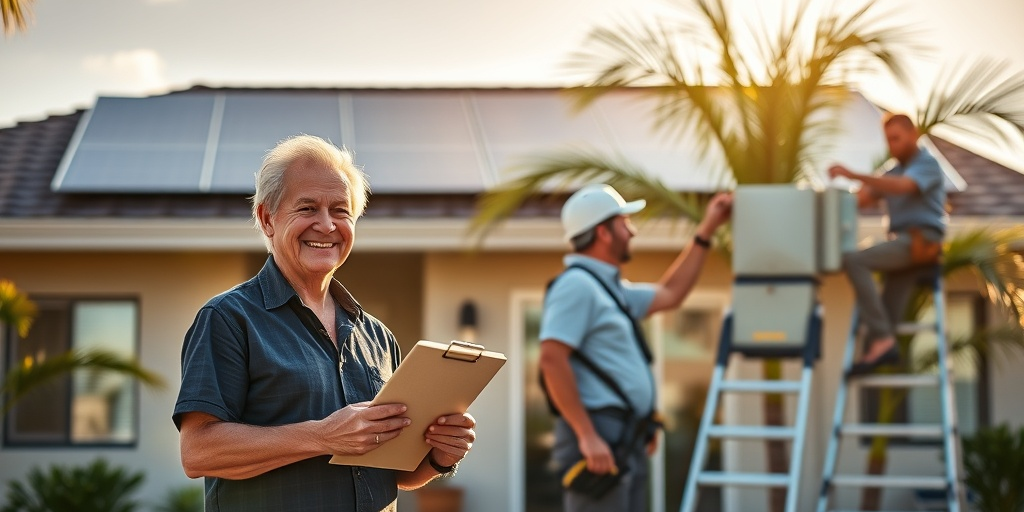
As the sun rises over the picturesque landscapes of Florida, one bold statistic catches the eye: solar power installations are projected to grow by an astonishing 34% nationwide in 2025 (SEIA.org). Homeowners across the Sunshine State are beginning to realize the immense benefits of harnessing the sun’s energy, and the longevity of solar panels plays a crucial role in this equation. In this article titled What Are the Benefits of Solar Panel Lifespan for Homeowners, we will explore how maximizing your solar panel lifespan can lead to substantial savings and efficiency. With the rising energy costs, declining incentives, and growing environmental concerns, understanding the value of solar panel longevity has never been more urgent as we approach 2025.
To emphasize the importance of this topic: many homeowners are skeptical about the initial investment in solar technology, yet studies reveal that households can save an average of $1,500 a year on energy bills when investing in solar (SolarReviews.com). What’s more, solar panels have a lifespan of around 25 to 30 years, making them a long-term investment that pays off over time. By understanding how to maximize the benefits of solar panel lifespan, you can significantly enhance this investment.
In this article, we will uncover the following five sections:
- A deep dive into real-life stories showcasing the impact of solar panel lifespan.
- Specific steps homeowners can take to extend the lifespan of their solar systems.
- Common myths surrounding solar panel longevity debunked.
- A focus on Florida-specific solar benefits, including incentives and policies.
- An in-depth technical analysis of components that affect solar panel durability.
Join us on this enlightening journey as we explore how you can own your power and ensure sustainable energy for years to come!
Understanding Solar Panel Lifespan: Impact Stories and Key Insights
Consider the journey of the Johnson family from Orlando, who recently transitioned to solar energy. Initially hesitant, they were worried about the upfront costs and whether or not solar technology would truly deliver savings. However, armed with research, they discovered that modern solar panels not only have an impressive lifespan but also have warranties that extend up to 25 years. After deciding to install a solar system, the Johnsons were amazed at how quickly their system paid for itself, leading to a savings of over $2,000 in the first few years due to reduced electric bills. Moreover, they felt a sense of pride in contributing to a greener future for their children.
This story illustrates a common phenomenon—a significant number of Florida homeowners discover that solar panel lifespan underpins the overall savings and efficiency of their systems. So, how can you ensure that your solar panels maximize their potential? Here’s a detailed checklist:
- Choose Quality Over Cost: When selecting panels, opt for those with a higher efficiency rating and extended warranties.
- Regular Maintenance Checks: Schedule annual inspections to keep your solar system in optimal condition.
- Monitor Performance: Utilize monitoring tools to ensure panels are functioning at peak efficiency.
- Keep Panels Clean: Removing debris and dust can enhance sunlight absorption and performance.
- Consider Local Weather: Florida’s weather can impact panel efficiency. Ensure installations are wind-resistant and designed for humidity.
Arming yourself with knowledge about solar technologies will empower you to make informed decisions regarding your investment. But the journey is not without misconceptions to dispel. Let’s address some of the most common myths about solar panel longevity.
Myth-Busting: Common Misconceptions About Solar Panel Lifespan
Myth #1: Solar panels last only 10 years. This is a common misconception. In reality, most solar panels are designed to last for 25 to 30 years or longer, and many manufacturers back their products with long-term warranties (SolarReviews.com).
Myth #2: All solar panels degrade at the same rate. The reality is that the degradation rate varies by manufacturer and type of panel. High-quality panels can degrade as little as 0.5% per year, while lower-quality models may degrade up to 2% annually (Energy.gov).
Myth #3: Solar systems are too complicated and require constant maintenance. While maintenance is crucial, most solar systems require minimal upkeep, such as regular cleaning, and many contractors offer maintenance services (SEIA.org).
Myth #4: Solar panels only work in sunny conditions. This myth overlooks the fact that solar panels can still generate electricity on cloudy days, although efficiency may decrease (NREL.gov).
Myth #5: Once solar panels are installed, the job is done. It’s essential to monitor your solar panel system actively. Keeping track of energy production helps you identify any potential issues early on and maximize overall efficiency.
Now that we have debunked these common myths, it’s time to focus on the local Florida relevance of solar panel lifespan.
Local Focus: Solar Power in Florida
Florida is rapidly establishing itself as a leader in solar energy. As of late 2023, the Sunshine State ranks fourth in the nation for solar capacity, thanks in part to its year-round sunshine. With more than 120,000 homes and businesses powered by solar energy, Floridians are starting to see the light not just in terms of energy savings but also as an economic opportunity (SEIA.org).
As solar technology advances, several local initiatives have emerged to make solar energy accessible for residential homeowners:
- Net Metering: This allows homeowners to offset their energy consumption by receiving credits on their bills for the excess energy produced by their panels.
- Property Tax Exemption: Under Florida law, solar systems are exempt from property taxes, enhancing the economic appeal for homeowners to switch to solar.
- Incentives: Various federal and state incentives promote the installation of solar panels, working to defray upfront costs.
- Community Solar Programs: These initiatives allow multiple households to share the benefits of a single, larger solar project.
All of these factors contribute to the increasing adoption of solar power among Florida homeowners. Understanding the unique value of solar panel lifespan becomes crucial, as the longevity of your solar investment directly impacts energy savings and overall performance. Let’s now delve into the technology behind solar panels and how that affects their durability.
Technical Deep-Dive: Understanding Solar Technology
The effectiveness and longevity of solar panels are closely tied to their technology and components. Let’s break down the various elements that contribute to solar panel performance:
- Solar Panels: Most residential panels are made from silicon, which can be monocrystalline or polycrystalline. Monocrystalline panels tend to have a longer lifespan and higher efficiencies but often come with a higher cost.
- Inverters: This component converts the direct current (DC) electricity generated by the panels into alternating current (AC) electricity used in most homes. Selecting a reputable inverter can affect how well the system performs over time.
- Batteries: For homes utilizing battery storage, battery lifespan is crucial. Lithium-ion batteries, widely used, typically have a lifespan of about 10 years, necessitating replacement, which can affect the overall economics of the system.
- Mounting Systems: Quality mounting systems ensure panels can withstand Florida’s sometimes harsh weather conditions while maintaining optimal performance.
Each component plays an essential role in the solar system’s efficiency and longevity. As a Florida homeowner, selecting quality materials and components will maximize your investment and minimize maintenance over time. But what’s next? Let’s explore actionable steps to begin your journey into solar energy.
Next Steps for Florida Solar Buyers in 2025
Transforming your home into a solar powerhouse doesn’t happen overnight. Here’s a straightforward action plan to get you started:
- Audit Your Electric Bill: Understanding your existing energy consumption is key to assessing how much solar capacity you need for optimal savings.
- Research Local Solar Companies: Look for companies with positive reviews and proven experience in solar installations in Florida.
- Request Consultations: Schedule consultations to discuss your goals, budget, and available incentives with multiple solar providers.
- Compare Quotes: Evaluate your options by comparing solar panel types, warranties, and installation costs, ensuring you select the best fit for your home.
- Understand Financing Options: Explore available incentives, tax credits, and financing opportunities that can help reduce upfront costs.
Adopting solar energy is a significant commitment, but it promises a brighter future not just for your household but for the entire planet. The journey doesn’t end here; it’s vital to continuously educate yourself about the technologies available and the financial incentives specific to Florida. To learn more about your solar options and take the first step towards sustainable energy in your home, visit floridaelectricandsolar.com.
Conclusion: The Future of Energy is Bright
As we wrap up this exploration of solar panel lifespan and its benefits for homeowners, it’s clear that understanding this topic is essential for making informed decisions. From realizing significant energy savings to contributing to a more sustainable future, the advantages of investing in solar technology are numerous. Moreover, as energy costs rise and environmental concerns grow, transitioning to solar has become not just an option but a necessity for many.
The Johnson family’s experience is a testament to the transformative power of solar energy. By choosing to invest in high-quality solar technology and maintaining their system, they have ensured their energy independence and security for years to come. With Florida’s sunny climate, the potential for solar energy here is immense, making it an opportune time for homeowners to embrace this sustainable resource.
Remember, the benefits of solar panel lifespan extend far beyond simple savings; they open the door to a cleaner future for generations to come. Ready to start your solar journey in 2025? Connect with a certified expert at floridaelectricandsolar.com today.
Related Articles
More insights about Solar Panel

Florida Homeowners: Why Solar Panel Maintenance Is Essential

7 Essential Steps for Solar Panel Installation Success

Expert Insights: Key Factors Influencing Solar Panel Lifespan
Ready to Go Solar?
Have questions about solar energy? Our experts are here to help you make the switch to clean, renewable energy.