
Beware These Common Solar Panel Installation Scams
Share:
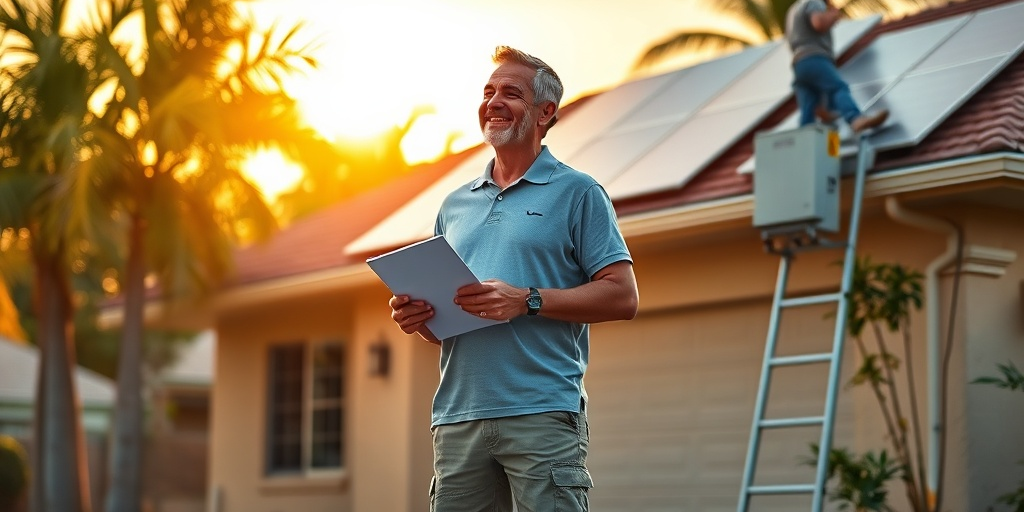
Have you ever considered how vulnerable you might be to scams in the solar energy market? The title ‘Beware These Common Solar Panel Installation Scams’ resonates strongly in today’s landscape, where homeowners often find themselves navigating a maze of misleading offers that could lead to unnecessary costs in solar panel installations. A staggering 2.5 million U.S. residential solar systems were installed or planned in 2022 alone, a figure that signifies not just growth but also opportunity for deception in this booming industry (EnergySage.com). It’s crucial in 2025 to understand that the solar energy sector is rife with both potential benefits and potential pitfalls; scams are an ever-looming threat that could cost you thousands if you’re not careful. Misleading claims, bait-and-switch tactics, and lowball estimates that vanish upon contract signing are just a few examples of how deceptive practices can implode your solar investment. As solar features become increasingly mainstream, homeowners must be vigilant.
In this article, we’ll delve into the most common scams to avoid when installing solar, elucidating the subtle intricacies that may lead unsuspecting individuals astray. We will first explore a local case study that highlights the importance of due diligence. Following that, we’ll offer a checklist to help you better understand the red flags associated with solar offers. Then, we will discuss expert recommendations to ensure you’re well-prepared while pursuing solar solutions, such as verifying credentials and reading the fine print. We will also present a hypothetical scenario that demonstrates a typical journey homeowners can encounter when focusing on solar installations. Finally, with a dedicated action plan, you will know precisely what steps to take in pursuing your solar energy aspirations in Florida. The knowledge you gain here could be essential for making a sustainable and financially sound decision in 2025.
The Importance of Local Awareness in Solar Installation Scams
Many homeowners might not realize that regional scams can directly impact their solar energy journey, especially within Florida, where a surge in solar adoption has created a fertile ground for unscrupulous practices. For instance, a fictitious Florida homeowner named Tom encountered an offer online claiming he could receive a solar panel system at virtually no cost. He was immediately attracted to the low monthly payments outlined in the ad, but upon deeper investigation, he learned that the company was not only unlicensed but also had numerous complaints lodged against it. His story echoes the struggles of countless Floridians who have been lured by attractive deals that quickly turn into costly mistakes, highlighting the critical need to vet every contractor thoroughly (SEIA.org).
By focusing on local scams, we aim to provide the tools homeowners need to safeguard themselves. Here’s a checklist to help you recognize potential scams before they ensnare you:
- Step 1: Verify the Company’s License
- Step 2: Read Customer Reviews and Testimonials
- Step 3: Request Multiple Quotes
- Step 4: Check for Insured Contractors
- Step 5: Understand Contract Terms and Read the Fine Print
By implementing these steps and being aware of backed testimonials and references, you can mitigate risks associated with potential scams effectively. For instance, it’s crucial to ensure each contractor operates under appropriate licensing laws. In Florida, all contractors are required to adhere to strict regulatory standards, yet unscrupulous companies often evade these regulations to exploit naive customers (FloridaSolar.org). In the retail electric or solar market, being informed is your first line of defense against scams.
Frequently Encountered Scams in Solar Installation
Understanding the common tricks of the trade can arm you against potential scams. These misleading offers could prove to be significantly more costly than they appear. Recognizing them early is vital for protecting your investment. As you navigate the solar energy market, be aware of the following common scams:
- Low-Upfront Payment Offers: Be cautious of offers that require little to no upfront investment, which could translate into hidden fees or loans.
- Free Solar Panel Promotions: Beware of claims for free solar installations, as they often lead to expensive lease agreements instead of actual ownership.
- High-Pressure Sales Tactics: If a salesperson pushes you to make a quick decision, it’s often a sign of a scam.
- Exaggerated Energy Savings Claims: Be skeptical of gurus promising savings that seem too high; verify with independent sources.
- Undefined Contract Terms: Contracts with vague language may have hidden fees, so don’t hesitate to clarify every aspect.
In particular, homeowners should avoid financing arrangements that lowball initial costs but result in exorbitant long-term interest rates. Statistics indicate that a growing number of homeowners in Florida are being misled by such tactics, leading to financial distress (FloridaCleantech.org). Always ask for third-party verification and reviews to accommodate the content of all agreements, as proper authentication is key to your long-term satisfaction and security.
5 Expert Solar Installation Tips for 2025
Solar installations can be a complex undertaking, and having expert advice at hand can make a noticeable difference. Here are five important tips you should consider in 2025 as you plan your solar project:
Research Your Loan Options
The financial landscape for solar installations can be overwhelming, so take the time to compare various loans and financing options. Look for interest rates that are competitive, and avoid variable-rate loans that could lead to skyrocketing payments in the future. According to reports, Floridians are saving an average of 20% on their energy bills after going solar, which suggests the importance of obtaining favorable financing (EnergySage.com).
Choose Quality over Price
While finding a good deal is essential, it should never come at the expense of quality. Select reputable brands with reliable warranties for both panels and inverters. Low-cost panels may lead to higher long-term costs due to durability issues and lesser efficiencies. In this age of green energy, quality materials greatly impact overall efficiency and longevity.
Consult Independent Experts
Before committing, engage independent advisors or consultants specializing in solar energy for advice. They can provide unbiased opinions and help you discern the credibility of offers. The prevalence of misleading information makes it crucial to have an external consultant vouch for the specifics to ensure reliability.
Verify Installer Credentials
Always check the licensing and qualifications of any contractors you consider hiring. This step is vital since the performance of solar systems depends significantly on quality installation. In 2023 alone, nearly 25% of solar panel issues were traced back to subpar installations (SEIA.org). Given Florida’s vast solar scene, due diligence pays off.
Consider Long-Term Savings vs. Short-Term Gains
Evaluate the lifetime savings against initial costs. A slightly more expensive solar panel system may pay for itself faster with better efficiency and energy production over the years. Understanding the cumulative financial benefits of proper installations is crucial in your decision-making process.
A Hypothetical Customer Journey in Solar Installation
Imagine a Florida homeowner named Sarah who decided to invest in solar energy to likewise reduce her ever-increasing power bills. Sarah’s journey began by exploring various online solar providers. After weeks of research, she found two competitors offering significantly different pricing. The company touted as a local leader promised installation for $10,000, while a second, less-known brand offered the same system for $5,000. Suspicious of the low price, Sarah decided to dig deeper. Understanding the strategic pitfalls that lead to scams allowed her to uncover a few key aspects:
- Contract transparency with specific terms and conditions.
- Reviews from actual customers and the BBB rating.
- Verification of the contractor’s licensing and insurance.
- Inquiries about warranties and maintenance packages.
Engaging with Florida Solar Energy members and checking backing accolades enabled Sarah to eventually select the reputable contractor while saving thousands in the long run. Her experience mirrors the vital steps every homeowner must consider proactively in solar engagements.
Next Steps for Florida Solar Buyers in 2025
For homeowners poised to invest in solar energy within Florida, a clear action plan is paramount to ensure prudent decision-making. Here’s a robust checklist to guide your path:
- Begin Your Research: Understand the types of solar systems available and how they fit into your energy needs. Look for local resources to gather information specific to Florida.
- Interview Multiple Installers: Meet at least three contractors to compare quotes, reviews, and services. Seek detailed breakdowns of costs, insurance, and warranties.
- Read Your Contract Thoroughly: Pay close attention to the details articulated within your contracts, digging into defined terminology to identify any ambiguous language.
- Engage with Your Community: Speak with neighbors or attend local solar workshops to hear firsthand experiences and unveil potential shortcuts for saving or facing red flags.
- Calculate the Return on Investment: Analyze expected savings on energy bills against the overall investment to ensure that you’re makin…
Related Articles
More insights about Solar Panel

Florida Homeowners: Why Solar Panel Maintenance Is Essential

7 Essential Steps for Solar Panel Installation Success

Expert Insights: Key Factors Influencing Solar Panel Lifespan
Ready to Go Solar?
Have questions about solar energy? Our experts are here to help you make the switch to clean, renewable energy.