
Beware of These Critical Solar Scams to Avoid
Share:
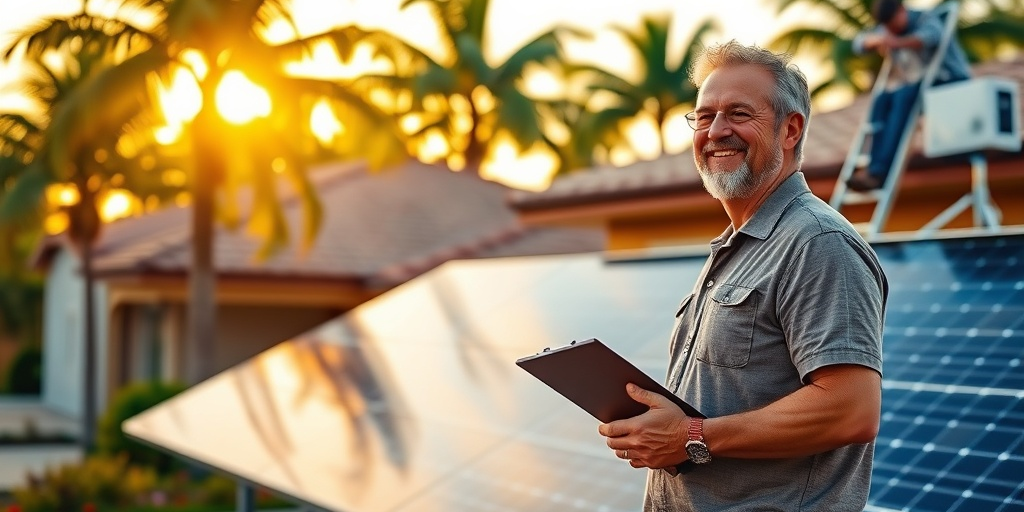
As we step into 2025, the solar landscape is brimming with opportunity and potential pitfalls, especially for Florida homeowners and commercial property owners. Did you know that Florida ranks as the second-largest market for solar energy in the United States, with over 2,600 megawatts of solar capacity installed? Or that 75% of Florida residents are in favor of solar energy, according to recent surveys? However, with this rising interest comes a slew of scams preying on the unsuspecting—specifically tailored to exploit the promise of solar savings.
With a title like Beware of These Critical Solar Scams to Avoid, it’s vital to dive deep into the warning signs that can help you safeguard your investment in solar panel installation. The urgency here cannot be understated. The combination of rising energy costs, the ever-looming threat of climate change, and new solar incentives mean homeowners and businesses are more eager than ever to transition to renewable energy. Yet, this eagerness can inadvertently lead to costly mistakes if you’re lured into the traps set by untrustworthy contractors and misleading advertisements.
In this extensive guide, we will explore the various types of scams you need to be aware of, dissecting their methods and the red flags that accompany them. We will also arm you with the knowledge to navigate the solar market confidently and make informed decisions. Here’s what you can expect in the sections that follow:
- A detailed case study to illustrate how scams can unfold in real life.
- A comprehensive checklist for assessing any solar opportunity.
- Myth-busters to debunk common misconceptions about solar energy.
- A local focus to understand how Florida’s unique laws and incentives play into the solar landscape.
- A technical deep-dive into the aspects of solar technology and policy.
Let’s get started and ensure you are equipped to make the best decisions for your solar future.
Understanding the Solar Landscape: A Case Study on Scams
Meet Linda, a Florida homeowner who decided to take the plunge into solar energy in late 2024. Enthusiastically looking to cut her electric bills, she came across a company online promising immediate savings and a federal tax credit that was seemingly too good to be true. The salesperson pitched her on the latest solar technology, but as details unfolded, it became apparent that things weren’t as they seemed. The aggressive sales tactics and vague terms left Linda feeling rushed and confused.
As it turned out, the installation cost was marked up by over 30%, and the technology offered was outdated compared to other options on the market. Linda soon realized that she had become a victim of a fraud scheme that lured customers with alluring promises but ultimately left them with shoddy products and contracts. Linda’s story is not unique; such scams exist as cautionary tales for Florida homeowners yearning for clean energy solutions.
To avoid falling into similar traps, it is critical to understand the warning signs that indicate potential solar scams. Here’s a checklist of key factors to consider:
- High-pressure sales tactics: Legitimate companies don’t push you into making hasty decisions.
- Unrealistic promises: If it sounds too good to be true—like free installations or guaranteed savings without any details—it likely is.
- Email or phone solicitations: Beware of unsolicited offers; trusted contractors don’t generally engage in cold calls or mass email blasts.
- Lack of transparency: Ensure you receive clear information on warranties, the technology being provided, and expected outcomes.
- Check reviews and references: Scammers won’t usually have a reputable online presence or credible customer testimonials.
According to the Solar Energy Industries Association (SEIA), understanding your rights as a solar consumer is essential, as 41% of surveyed homeowners reported receiving misleading information regarding solar systems. Florida homeowners must be vigilant and do their research before committing to any agreements. The ongoing rise in solar panel installations means that more people will interact with these less-than-reputable schemes, so being well-informed is more critical than ever.
In Florida, specific consumer protection laws exist, but knowing them in advance is vital. When considering solar installation, an educated approach can save you heartache and financial loss.
Now that we’ve outlined a real-life scenario and checklist to evaluate potential scams, let’s dive deeper into common myths that surround solar energy, often serving as tools for deceitful sales tactics.
Common Myths That Lead to Solar Scams
Understanding the myths surrounding solar energy is vital in recognizing how scammers exploit consumer misconceptions. Here are the most prevalent myths that you should consider:
- Myth #1: Solar Panels Will Damage Your Roof.
This myth stems from the fear of heavy installations leading to leaks or structural damage. In reality, professionally installed solar panels are designed to withstand harsh weather conditions and are installed with protective measures that preserve your roof integrity.
- Myth #2: You Can’t Install Solar If You Have a Homeowner’s Association.
Many homeowners fear that association rules will prevent their solar installation. However, Florida law supports homeowners’ rights to install solar panels, regardless of HOA regulations, although certain guidelines may apply.
- Myth #3: The Best Time to Go Solar Is Only During Tax Season.
While tax incentives are substantial, delaying solar installation based on seasonal timing can cost you more long-term, especially due to rising energy costs and continuously changing incentives.
- Myth #4: Solar Energy Is Only for the Wealthy.
This misconception undermines the availability of financing options such as solar leases and Power Purchase Agreements (PPAs), making solar energy accessible to a broader demographic.
- Myth #5: All Solar Panels Are the Same.
Variability in quality and efficiency exists among solar panels. Choosing to trust a well-reviewed company ensures you invest in high-quality technology tailored to your specific needs.
According to a 2023 report by SolarReviews.com, over 32% of homeowners still believe these myths, leading them to make poor decisions, while 70% of people who invest in solar don’t conduct adequate research before installation. Being well-informed about these misconceptions will empower you in your solar journey, equipping you to question dubious offers more effectively.
Transitioning now to how local incentives and policies can either help or hinder your solar installation process. Let’s explore Florida-specific laws and incentives to provide a self-protective framework.
Florida-Specific Incentives and Policies: Protecting Yourself
Florida famously enjoys abundant sunshine, making it a prime region for solar power adoption. However, it’s crucial to understand how local policies play a role in your solar investments. By being aware of these laws, you can ward off bad deals and scams. Here’s what to keep in mind:
- Net Metering: Florida offers net metering, allowing homeowners to receive credits for the surplus energy generated by their solar panels, effectively lowering their electricity bills.
- Sales Tax Exemption: Solar equipment sales are exempt from sales tax in Florida, making installations more affordable.
- Property Tax Exemption: The installation of solar systems in Florida does not increase your property taxes, protecting your investment and its profitability.
- Renewable Portfolio Standard: Florida’s commitment to renewable energy fosters an attractive environment for solar buyers, encouraging investment in solar technologies.
- Incentives for Low-Income Households: Programs catering to low-income households offer assistance with solar installations, ensuring equitable access to solar energy benefits.
According to Energy.gov, Florida sees annual savings of $17 billion through energy-efficient practices, with solar contributing significantly to that figure. Such compelling statistics underline the importance of aligning with credible sources when investing in solar energy.
Keeping these incentives in your back pocket will allow you to ensure that the offers you receive are genuine and advantageous. Always remember that reputable companies will clearly explain available incentives, while scams will often ignore them or provide misleading information.
Next, let’s take a technical deep-dive into understanding solar technology aspects that can further protect you from scams.
Technical Considerations That Matter
Technical knowledge is your best defense against scams. By understanding what makes up a solar energy system, you empower yourself to detect dubious claims.
- Solar Panels: Technologies like monocrystalline and polycrystalline panels have different efficiencies and costs. Understanding these terms will aid your decision-making.
- Inverters: Inverters convert solar energy into usable electricity. String inverters are typical for residential setups, while microinverters offer advantages for shading issues. Knowledge of these devices enables you to assess the quality of the offers you receive.
- Battery Storage Systems: Energy storage allows you to maximize solar efficiency and energy independence. However, battery solutions often come with a significant cost, so knowing the specs can prevent overspending on lower-quality options.
- Incentive Programs: Understanding state and federal policies can help you maximize savings, while scams often overlook these without context.
- Installation Process: Knowing the expected timeline and structural available services can help ensure you aren’t falling into a situation that feels rushed.
According to the National Renewable Energy Laboratory (NREL), homeowners who approach solar with knowledge save on average 11% more compared to those who follow blind offers. Such a stat underscores the value of awareness in the renewable energy market.
As we reach the end of this guide, we want to empower you with actionable next steps to guarantee you have the best experience when considering solar installation in 2025.
Next Steps for Florida Solar Buyers in 2025
Navigating the world of solar energy can be overwhelming, but taking it step by step can streamline the process and keep scammers at bay. Here’s your action plan:
- Step 1: Audit Your Electric Bill.
Understand your current energy usage, average costs, and identify whether solar will result in savings.
- Step 2: Research Reputable Local Companies.
Look for companies with positive reviews, respected certification, and a portfolio of completed projects. Websites such as floridaelectricandsolar.com offer valuable information for assessing installers.
- Step 3: Schedule Multiple Consultations.
Get multiple estimates to compare quotes and installation practices. Ask probing questions to gauge expertise and transparency.
- Step 4: Verify Incentives.
Make sure you’re aware of the available financial incentives, rebates, and tax credits for solar in Florida. Double-check everything before finalizing your installation.
- Step 5: Read All Contracts Thoroughly.
Review every detail closely, and don’t hesitate to ask for clarifications. Ensure that warranty terms, estimated savings, and cancellation policies are clear.
By following this structured approach, Florida homeowners can embark on a solar journey with confidence, arming themselves against potential pitfalls. Solar energy holds transformative potential for your home and lifestyle, and proper preparation enables you to harness that promise fully.
In summary, as you venture into 2025, keep the myths, scams, and technological nuances at the forefront of your mind. The transition to solar energy should be smooth, informed, and aligned with your long-term goals. With informed choices, you can maximize savings, their environmental impact, and energy independence.
Ready to start your solar journey in 2025? Connect with a certified expert at floridaelectricandsolar.com today.
Related Articles
More insights about Solar Scams

Warning: Don’t Overlook These Solar Scams to Avoid

Don’t Miss This Critical Alert About Solar Scams

Don’t Ignore These Critical Solar Scams to Avoid
Ready to Go Solar?
Have questions about solar energy? Our experts are here to help you make the switch to clean, renewable energy.