
Busting Common Myths About Solar Panel Maintenance in Florida
Share:
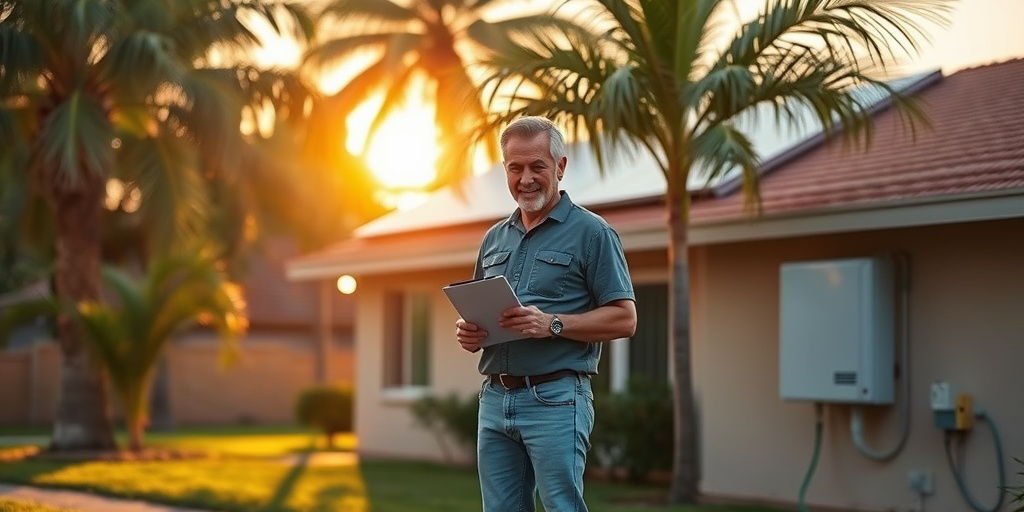
When it comes to solar energy, the myths surrounding solar panel maintenance can cloud the judgment of Florida homeowners and commercial property owners. Did you know that nearly 50% of Americans believe solar panels have high maintenance costs? This misconception can deter potential solar users from reaping the benefits of clean, renewable energy. In fact, a study by the Solar Energy Industries Association found that the average cost savings for solar energy users can be substantial, potentially reaching over $30,000 over 20 years (SEIA.org). Welcome to our deep dive into “Busting Common Myths About Solar Panel Maintenance in Florida.” In 2025, as energy costs spiral due to inflation and climate challenges, understanding these myths becomes critical for Floridians. This blog serves as a comprehensive guide, addressing common misconceptions, offering actionable steps, and providing expert insights tailored for local contexts. Get ready to explore five key sections: The Emotional Journey of Going Solar, A Step-by-Step Maintenance Checklist, Myth-Busting Common Misconceptions, Best Practices for Florida Homeowners, and a Concise Action Plan for Future Solar Buyers. Let’s illuminate the truth and help you maximize your solar savings.
Busting the Myths Surrounding Solar Panel Maintenance in Florida
Picture this: Julia, a Florida homeowner, hesitated for years about installing solar panels due to her assumptions about their upkeep. She believed the myths that solar panels were fragile, prone to frequent breakdowns, and that maintenance costs were exorbitant. After contacting Florida Electric & Solar and learning the real facts, she discovered that not only is solar panel maintenance minimal, but it can also enhance energy efficiency significantly.
Here are five key troubleshooting and maintenance measures you might consider:
- Regular Cleaning: Ensure panels remain dust-free to absorb maximum sunlight.
- Monitoring System Performance: Check for optimal output to catch issues early.
- Professional Inspections: Schedule an annual inspection for peace of mind.
- Checking for Obstructions: Make sure nearby trees or debris don’t block sunlight.
- Snow and Ice Removal: It’s essential in certain Florida zones during rare winter months.
Yet, despite Julia’s positive experience, many homeowners remain skeptical due to the widespread myths associated with solar panel maintenance. Let’s tackle these common myths head-on, exposing the realities behind them to empower you in your decision-making process.
Common Misconceptions About Solar Panel Care
Now let’s navigate the common myths that surround solar panel maintenance.
Myth #1: Solar panels require frequent maintenance. In reality, solar panels are designed to be durable and low-maintenance. According to GAF Energy, most homeowners only need to wash their panels a couple of times a year, depending on environmental factors. Regular checks for damage and performance can easily be incorporated into your annual routine.
Myth #2: Solar panel cleaning is complicated and expensive. In fact, cleaning can often be done by homeowners. Simple hose-downs during rainy seasons or occasional light scrubbing with a soft brush is usually sufficient. When you do require professional cleaning, it is often quite affordable and can be included in service contracts.
Myth #3: Solar panels lose efficiency over time and require replacements. While it’s true that solar panels may gradually lose efficiency as they age, modern technology has led to panels lasting 25 to 30 years or more with only a slight decrease in output annually, often less than 0.5% (SolarReviews.com).
Myth #4: Solar energy doesn’t work in cloudy or rainy conditions. While it’s true that sunlight generates more energy on clear days, Arizona State University found that solar panels can still generate electricity with as little as 10% light availability. This means that even in Florida’s rainy season, your solar panels will still perform efficiently.
Myth #5: DIY maintenance is sufficient. Having a professional inspect your panels annually can catch potential problems before they escalate, ensuring your panels continue generating energy efficiently and safely, thereby providing you with the best returns (SEIA.org).
With these misconceptions debunked, let’s focus on actionable next steps you can take to ensure your solar investment thrives well into the future.
The Essential Maintenance Checklist for Solar Panels
The real secret to maximizing your solar investment lies in well-planned maintenance. Here’s a checklist that provides clear steps and insights into keeping your solar panels functioning optimally.
- Step 1: Conduct Regular Visual Inspections – Check for dirt, debris, or any shading that may interfere with the light. Ensure there are no visible damages to the panels themselves.
- Step 2: Keep Panels Clean – In areas with high pollen, dust, or bird droppings, cleaning may be required every 3-6 months. Use a hose and soft brush if necessary.
- Step 3: Monitor Energy Output – Use your inverter’s monitoring system to observe your panel’s production daily or weekly. If you notice a drop in performance, consult your installer.
- Step 4: Schedule Annual Professional Inspections – Engaging certified professionals can provide insights that a casual inspection may overlook. These services compare performance metrics, examining electrical connections and module performance.
- Step 5: Stay Updated on Local Codes and Utility Policies – Keep abreast of local and state regulations regarding solar energy to ensure compliance and to maximize benefits such as tax credits or incentives (NREL.gov).
Following these steps will not only ensure your solar panels perform efficiently but will also give you peace of mind knowing you’re actively caring for your investment. For a detailed consultation on solar maintenance practices, head over to floridaelectricandsolar.com.
Best Practices for Solar Panel Efficiency in Florida
Understanding best practices in solar panel maintenance can unlock greater financial savings for Florida homeowners. Here are five essential practices to enhance the longevity and efficiency of your solar energy system.
- Adequate Shading Solutions: Properly trimming trees or installing shading structures can significantly improve panel efficiency, particularly during the summer months.
- Upgrade to Smart Technology: Consider investing in smart inverters and energy management systems that provide real-time updates and control energy usage.
- Consider Battery Storage: Utilizing battery storage systems can maximize the utility of generated power, especially during peak hours when energy prices may be higher.
- Optimize Panel Orientation: The direction and tilt of solar panels can greatly affect their energy output. Ideally, panels should face south and be tilted about 30 degrees for maximum efficiency in Florida.
- Stay Educated: The solar industry is constantly evolving. Joining local solar groups or staying updated with publications from energy associations can keep you informed about the latest technologies and techniques.
Taking these best practices to heart will help assure you’re maximizing the benefits of solar power. With constant advancements in technology and an awareness of your solar system, you can confidently invest in your future. Dive further into solar solutions at floridaelectricandsolar.com.
A Homeowner’s Solar Journey: A Story of Transformation
Meet Steven, a small business owner in Orlando, Florida. After struggling with skyrocketing energy bills, he decided to take the plunge into solar energy. Initially overwhelmed by misrepresentations about maintenance, he forged ahead because of the lure of future savings and energy independence.
As Steven navigated this journey, he discovered:
- Solar panels require less maintenance than he expected, mitigated by regular inspections rather than expensive upkeep.
- Incentives available for solar installation in 2025 greatly decreased his upfront costs, encouraging him to proceed.
- Most manufacturers offer warranties ranging from 20 to 25 years, ensuring longevity on his investment.
- Solar technology advancements meant that newer models were far more efficient than those available just a decade ago.
Through careful research and consultations with experts, Steven felt empowered. He learned that even a simple decision to switch to solar energy can shift the trajectory of one’s financial future. The savings excited him—his energy bills dropped dramatically, elevating his cash flow and allowing him to reinvest in his business. He discovered that the myths surrounding maintenance were simply that—myths. Educated and informed homeowners are the key to breaking the cycle of misinformation.
Next Steps for Florida Solar Buyers in 2025
Embarking on your solar journey can feel daunting, but breaking it down into actionable steps can pave the way towards energy independence. Here’s a simple roadmap for what the next steps might look like:
- Audit Your Electric Bill: Understand your monthly energy consumption and costs. This information will help your solar consultant advise you on the best system size for your needs.
- Research Local Incentives: Examine available rebates and tax credits in Florida. With the federal solar tax credit set to decrease, 2025 might be the ideal time to go solar.
- Consult with Experts: Contact a trusted solar provider like Florida Electric & Solar to assess your options and get tailored recommendations. This will also help dispel further myths regarding maintenance requirements.
- Plan for Installation: Once you’ve selected a provider, ensure all installation logistics align with your financial plans and lifestyle.
- Prepare for Life with Solar: Embrace an energy-efficient lifestyle. Encourage your family and coworkers to learn about sustainable practices that benefit the environment.
Through these steps, you will embark on a journey that promises reduced costs and a lighter ecological footprint. To start planning your transition to solar energy, visit floridaelectricandsolar.com for detailed resources.
In conclusion, understanding the myths associated with solar panel maintenance can empower Florida homeowners and commercial property owners to embrace solar energy in 2025. With fluctuating energy costs and increasing climate considerations, going solar is not just an option; it’s a necessity. You can take control of your energy future by dispelling these myths, learning best practices, understanding your obligations, and consulting with professionals. Now is the time to move toward a sustainable future filled with savings.
Ready to start your solar journey in 2025? Connect with a certified expert at floridaelectricandsolar.com today.
Related Articles
More insights about Solar Panel

Florida Homeowners: Why Solar Panel Maintenance Is Essential

7 Essential Steps for Solar Panel Installation Success

Expert Insights: Key Factors Influencing Solar Panel Lifespan
Ready to Go Solar?
Have questions about solar energy? Our experts are here to help you make the switch to clean, renewable energy.