
Busting Myths About Solar Panel Installation You Need to Know
Share:
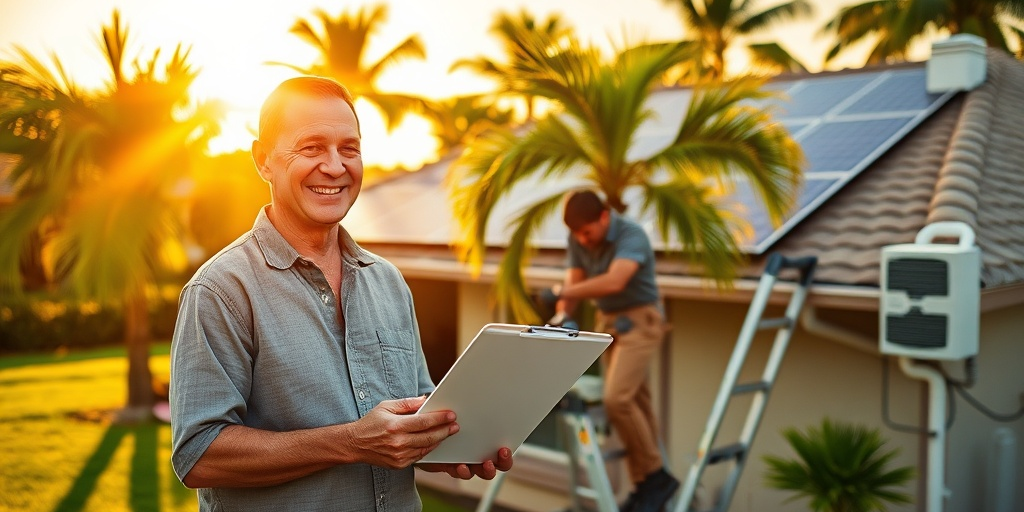
In 2025, more than 200,000 homes in Florida are expected to harness the sun’s energy through solar panels. That’s not just a trend—it’s a vital shift toward energy independence in a state where the average electricity costs are climbing each year. Yet, despite the increasing popularity of solar power, a shadow of skepticism still looms large. Many prospective Florida homeowners are held back by misconceptions that can lead them to miss out on genuine savings. It’s time to set the record straight with our article: Busting Myths About Solar Panel Installation You Need to Know. For instance, did you know that solar energy costs have dropped by 70% over the last decade? Or that residential solar systems can actually increase home values by over 4%? (SEIA.org) With rising energy prices and numerous new solar incentives, the urgency to explore solar energy has never been greater. In this comprehensive guide, we will dissect major myths surrounding solar panel installation while providing useful insights into how transitioning to solar in Florida can benefit your home or business.
This enlightening journey comprises five pivotal sections: we will explore a relatable case study of a Florida homeowner, furnish you with actionable checklists, debunk widespread myths, focus on local data pertinent to Florida, and conduct a technical deep dive into solar panel technology and policies. Get ready to unveil the truth about solar energy!
Busting Common Misconceptions: The Myths of Solar Panel Installation
To pave the way for clearer understanding, we’ll start by sharing a motivational story that showcases the transformative effects of solar energy in Florida.
Meet Karen, a single mother living near Orlando, who was facing increasingly daunting electric bills during a particularly hot summer. Frustrated, she decided to look into solar panels. Initially, she was swayed by friends’ warnings about installation costs and potential damage to her roof, but the nagging thought of ever-increasing electricity costs propelled her forward. Karen reached out to Florida Electric & Solar for a consultation. They provided her with evidence showing that not only had costs for solar installations dropped significantly, but she could also receive additional rebates and tax credits. Eventually, she bravely took the plunge and had a solar system installed on her home, along with battery storage for nights. In just the first month, she cut her electricity bill in half. By the end of the year, she had not only saved money but gained peace of mind, knowing she could potentially be energy independent.
This story mirrors many like Karen across Florida, who are exploring the extensive benefits of solar energy. The American Solar Energy Society mentions that nearly one in three homeowners considers solar energy (ASES.org). Here are a few points on what continues to fuel the solar progress in Florida:
- Increased property value: Properties equipped with solar panels tend to sell for more, thanks to their appeal and lower utility costs.
- Government Incentives: In 2025, Floridians can take advantage of new state and federal tax credits to ease the financial burden of installation.
- Climate Change Awareness: As weather patterns shift, the push toward sustainable energy becomes ever more critical.
As this awareness grows, so does the debate over the myths surrounding solar panel installations. Let’s dive into some of the major myths that often hold homeowners back.
Myth #1: Solar Is Too Expensive
One of the biggest misconceptions about solar panel installation is that the costs are prohibitively high. While upfront expenses certainly exist, it’s crucial to view this as an investment rather than an expense. On average, the price of solar panels has dropped by over 70% since 2010 (SEIA.org). With incentives, financing options, and energy savings factored into the equation, many Florida homeowners will find their return on investment (ROI) far outweighs initial concerns.
Myth #2: Solar Panels Don’t Work on Cloudy Days
Another common myth is that solar panels are ineffective in cloudy or rainy conditions. However, solar panels can still generate electricity even on overcast days—so long as there is daylight. According to research from the National Renewable Energy Laboratory, solar panels can operate at 25% efficiency even beneath cloud cover, which is more than sufficient for energy production (NREL.gov). Therefore, residing in a state with abundant sunshine, such as Florida, will ensure ample generation capacity throughout the year.
Myth #3: Solar Panel Installation Will Damage Your Roof
This myth springs from a concern for the structural integrity of homes. The truth is, professional solar installations are designed with careful consideration for the roof’s durability. Qualified installers leverage industry-standard practices and work to minimize any impact on your roof’s integrity. In fact, an accurately conducted installation can even extend the lifespan of your roof, as newer materials are often used that can withstand Florida’s intense weather conditions.
Myth #4: Every Home Is a Good Fit for Solar
While solar panels can be beneficial for many, it’s also vital to acknowledge that not all homes are perfectly suited for solar energy. Factors such as building orientation, shading from trees, and roof structure play significant roles. However, experts in the field are equipped to evaluate the best options for each unique home and tailor solutions to meet individual needs. This means even if your home isn’t ideal, alternative options such as community solar programs could still be available to you.
Myth #5: Battery Storage Isn’t Worth It
Many people believe that investing in additional battery storage is an unnecessary expense. While it’s true that battery systems can add to your initial investment, integrating battery solutions allows homeowners to store excess energy generated during the day for use when the sun isn’t shining. This not only maximizes solar savings but enhances energy independence. As electricity rates continue to fluctuate, battery storage systems become an increasingly valuable asset—offering homeowners a way to invest in their own energy futures.
In conclusion, it’s essential to approach solar energy with clarity, separating fact from fiction. With growing energy costs and environmental concerns, going solar is beneficial and urgent. Let’s explore some actionable steps to move forward with your solar journey in Florida.
Steps to a Successful Solar Transition
- Step 1: Determine Your Home’s Energy Needs. Start by reviewing your electric bills to analyze your average usage. Knowing how much power you consume will help identify the best solar solution and system size.
- Step 2: Research Local Solar Providers. Ensure you find a reputable provider with experience in Florida’s unique climate and market. Look for companies like Florida Electric & Solar, which provides tailored solutions.
- Step 3: Evaluate Financing Options. Whether it’s solar loans, leases, or cash purchases, weigh which financing option suits your budget best—especially with multiple incentives available in 2025.
- Step 4: Understand Your Roof’s Suitability. Before proceeding with installation, get a professional assessment of your roof’s build and orientation to maximize solar gain.
- Step 5: Stay Informed About Local Incentives. As policies and incentives are updated, keep abreast of any changes that can affect your solar investment, such as state tax credits and utility rebates.
The future of solar energy is bright, especially for Florida homeowners poised to take advantage of an evolving landscape of policy and technology. Next, let’s turn our attention to further best practices that ensure a smooth solar installation experience.
5 Expert Solar Installation Tips for 2025
As you gear up for your solar installation, remember these expert tips:
- Prioritize Panel Placement: Ensure panels are located where they will receive the maximum sunlight exposure, free from shade from trees or neighboring structures.
- Consider Energy Efficiency Upgrades: Before installing solar panels, enhance your home’s energy efficiency. This can reduce system size, cutting costs and increasing savings.
- Embrace Smart Technology: Consider smart monitoring systems that allow you to track energy production and consumption efficiency. Staying informed can help optimize your energy usage.
- Plan for Future Growth: When installing solar panels, think ahead. Will your family grow? Factor in potential future energy needs when sizing your installation.
- Foster Open Communication: Transparency with your chosen provider will lead to a better installation experience and sets clear expectations for the purchase and installation processes.
Now that you are equipped with vital insights, let’s turn to a compelling narrative about a Florida homeowner navigating the world of solar.
A Florida Family’s Solar Journey
Picture the Bergers, a family residing in Miami, who spent years grappling with high-energy bills, especially during summer months. The frustration with rising energy costs led them to explore solar solutions. Initially, the couple had their doubts—would solar actually work for their old home?
After some research, the Berger family scheduled consultations with several solar providers to gather proposals. This is where they learned about comprehensive options that went beyond just solar panel installations. They were introduced to advanced battery storage systems which offered peace of mind during hurricane seasons. Overall, they discovered:
- Cost Savings: By transitioning to solar, the family anticipated cutting their monthly bills by 60%.
- Government Incentives: They learned about available state and federal incentives that would help offset installation costs.
- Increased Property Value: As homeowners, they realized that their property value could increase significantly once solar was installed.
This experience highlights the importance of not only informing oneself but also working with providers who specialize in local conditions and contexts. According to the Solar Energies Industry Association, Florida continues to lead in installations and policy adoption (SEIA.org). The journey to adopt solar energy was one full of challenges for the Bergers, yet their determination to find the best solutions ended with a meaningful change for their family.
Next Steps for Florida Solar Buyers in 2025
We’ve explored the myths and benefits of solar energy. Now, it’s time to discuss the practical actions you can take:
- Audit Your Electric Bill: Familiarize yourself with your energy consumption patterns. Knowledge is power.
- Compare Solar Providers: Gather quotes and reviews of different solar companies. Each provider will have its unique offers and expertise.
- Evaluate Different Financing Options: Explore the benefits of leasing versus purchasing solar systems based on your financial situation.
- Consult with your Provider: Engage openly with a provider through every step of the installation process. Ask questions until you feel secure in your understanding.
- Celebrate Your Decision: Once installed, take the time to celebrate your commitment to energy independence!
In summary, adopting solar power is not just a trend; it’s a crucial investment in your home’s future, your family’s security, and our planet’s health. As you’ve discovered, the myths around solar panel installation are often unfounded. Yet, the opportunities for savings and value are immense. Don’t let misconceptions deter you from exploring this innovative technology.
Ready to start your solar journey in 2025? Connect with a certified expert at floridaelectricandsolar.com today.
Related Articles
More insights about Solar Panel

Florida Homeowners: Why Solar Panel Maintenance Is Essential

7 Essential Steps for Solar Panel Installation Success

Expert Insights: Key Factors Influencing Solar Panel Lifespan
Ready to Go Solar?
Have questions about solar energy? Our experts are here to help you make the switch to clean, renewable energy.