
Busting Myths: Understanding Solar Panel Installation for Homeowners
Share:
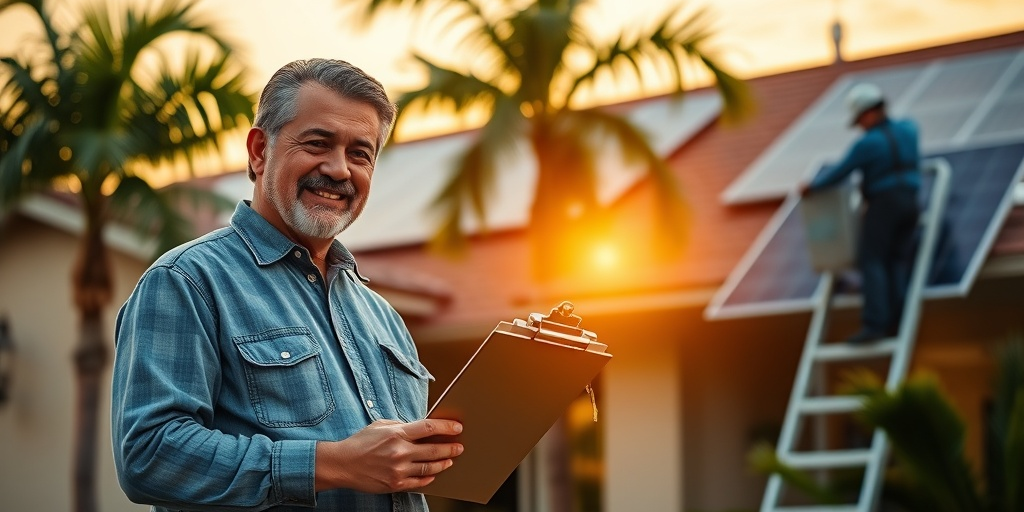
In 2023, more than 35% of Florida homeowners expressed interest in solar energy, driven by rising electricity costs and the growing urgency to combat climate change. Yet, despite the clear benefits, many still cling to misconceptions about solar panel installation. Understanding how these myths can mislead you is crucial for making informed decisions about solar energy and maximizing your investment in a sustainable future. In our article titled Busting Myths: Understanding Solar Panel Installation for Homeowners, we aim to clarify the facts surrounding solar energy, address common misconceptions, and empower Florida homeowners to take the leap into solar energy in 2025.
Solar panel technology has seen significant advancements. In fact, the cost of solar installations in the U.S. has dropped nearly 90% since 2000, with installations expected to double by 2025 as incentives like the Inflation Reduction Act continue to make solar power more accessible (NREL.gov). Yet with these benefits comes a plethora of misinformation that can deter potential users. This topic is especially urgent now, as continued inflation and increasing energy demands put pressure on utility bills across Florida households. By understanding the realities of solar panel installation, you can not only save money but also contribute to a more sustainable environment.
In this comprehensive guide, we’ll explore the following sections:
- A deep dive into common solar myths.
- A step-by-step checklist of actions to prepare for installation.
- Identifying prevalent misconceptions and debunking them with facts.
- A local focus on Florida’s unique environment and policies.
- A technical overview of how solar systems work and what to expect during installation.
Dispelling Myths: A Comprehensive Look at Solar Panel Installation
When it comes to solar panel installation, Florida homeowners are often inundated with misinformation. This can lead to confusion and unwarranted skepticism about the technology, ultimately hindering the transition to renewable energy sources. Let’s begin with a compelling anecdote: Meet the Johnson family from Orlando. Faced with skyrocketing energy costs and environmental concerns, they decided to explore solar energy for their home. However, like many, they were initially hesitant due to prevailing myths about solar installation that turned out to be untrue.
The Johnsons discovered that the installation process was simpler than they imagined. Here are some actionable steps they followed to navigate their transition to solar energy:
- Understand Your Current Energy Use: Reviewing electric bills helped the Johnsons estimate how much power they would need from solar panels.
- Research Local Solar Companies: The family connected with Florida Electric & Solar, which provided clear, comprehensive information about their options and local incentives.
- Get Multiple Quotes: The Johnsons obtained quotes from several providers to compare prices and services, ensuring they got the best deal possible.
- Ask About Financing Options: They were surprised to learn about zero-down financing options that made solar energy more affordable than they thought.
- Schedule a Site Assessment: A professional assessment of their rooftop allowed them to understand the ideal installation and maximum energy production.
The Johnson family’s experience reflects a common journey shared by many Florida homeowners. However, the following myths are often part of the narrative, leading prospective buyers astray:
- Myth #1: Solar Panels Are Too Expensive – While the initial investment may seem significant, costs have dropped substantially. Many systems can pay for themselves in 5-10 years through energy savings and tax incentives (Energy.gov).
- Myth #2: Solar Energy Doesn’t Work on Cloudy Days – Solar panels can generate power even in cloudy weather, converting diffused sunlight into energy effectively.
- Myth #3: You Won’t Save Money If You Are Not Home During the Day – With battery storage, homeowners can store energy generated during the day for nighttime use, minimizing reliance on the grid.
- Myth #4: Maintenance Is Complicated – Solar systems are low-maintenance. Regular checks and minimal cleaning are typically all it takes to keep them operational.
- Myth #5: You Need A New Roof Before Going Solar – Many roofs can support solar installations without issues. A professional inspection can identify the needs without necessitating a new roof.
As you can see from the Johnsons’ story, the myths surrounding solar panel installation are just that—myths. Florida homeowners must educate themselves about the realities of solar technology, including financing options, installation processes, and actual energy savings. Solar energy is not just a trend; it’s a sustainable pathway to a cleaner, more cost-effective future.
Preparing for Solar: A Step-by-Step Checklist for Floridians
One of the most critical components for homeowners preparing for solar panel installation is knowledge. Here’s a succinct checklist to guide you through the process, ensuring a smooth transition:
- Step 1: Audit Your Electric Bill – Understanding your energy consumption patterns is essential. Identify peak usage times and overall monthly costs to assess your potential savings.
- Step 2: Research Local Solar Incentives – Florida offers various incentives, including the federal solar tax credit and net metering. Make sure to contact a reputable provider like floridaelectricandsolar.com for the latest offerings.
- Step 3: Evaluate Your Roof – The orientation, pitch, and condition of your roof can influence solar panel efficiency. Have a professional assess these factors before moving forward.
- Step 4: Find a Reputable Installer – Not all solar companies offer the same quality of service. Read reviews, ask for references, and check credentials to find a trusted provider.
- Step 5: Understand Financing Options – Explore various payment plans, including outright purchase, financing, and leasing, to determine which fits your budget best.
This structured approach to solar can significantly reduce your anxiety about the transition. Awareness of your specific needs in the solar market can empower you to make informed decisions. The right partner—whether local installers or energy consultants—will help you cut through the complexity and enable you to embrace solar energy readily.
Myth-Busting: Unveiling the Truth Behind Common Misconceptions
In a world filled with information, it’s easy to succumb to false stereotypes regarding solar technology. Let’s dismantle some of the persistent myths and misconceptions surrounding solar panel installations that Florida homeowners often face:
- Myth #1: Solar Panels Are Ineffective During the Winter – While some Floridians may think their panels rely solely on sunlight, they actually produce energy from daylight. As such, the shorter winter days don’t reduce efficiency to the extent many believe.
- Myth #2: Installing Solar Panels Will Lower Your Home Value – Contrary to popular belief, homes equipped with solar installations often see increased property values. According to research, homes with solar power systems can sell for approximately 4.1% more on average compared to those without (SolarReviews.com).
- Myth #3: Solar Energy Is Bad for the Environment – The lifecycle of solar panels, from production to disposal, may raise concerns, but the emissions from fossil fuels are far greater. The use of solar energy significantly reduces carbon footprints.
- Myth #4: It’s Too Complicated to Get Started – Many Florida homeowners mistakenly believe solar is a cumbersome process. In reality, with the help of an experienced solar provider, the process can be quite straightforward.
- Myth #5: Solar Systems Lack Durability – Most solar panels come with warranties lasting 25 years or more, attesting to their longevity and reliability as long-lasting energy sources.
Recognizing these myths is the first step towards embracing solar energy. Armed with real facts and figures, Floridians can navigate the solar landscape with confidence and make informed choices that benefit their households and the environment alike.
Local Focus: Understanding Florida’s Unique Solar Landscape
Florida, often dubbed the “Sunshine State,” is uniquely positioned for solar energy adoption. With abundant sunshine year-round, residents stand to gain significantly from installing solar panels on their homes. Yet, local policies and regulations can impact potential installations. Here’s a closer look at how Florida’s unique environment shapes the solar energy landscape:
- Incentives and Rebates: Florida offers different incentive programs, including property tax exemptions for solar systems and net metering programs that allow homeowners to receive credits for unused energy they send back to the grid.
- Climate Considerations: Florida’s extended sunny days create ideal conditions for solar energy production. Optimizing panel placement for maximum sunlight can greatly enhance overall efficiency.
- Regulatory Environment: Florida has a favorable legal framework for solar energy, with legislation promoting its growth and accessibility for residents.
- Community Engagement: Many Florida communities and homeowners’ associations (HOAs) are becoming increasingly supportive of solar installations, creating a climate of acceptance and interest in solar.
According to the Florida Solar Energy Industries Association, Florida ranks second in the nation for installed solar capacity (FSEC.org). With such potential for energy independence, homeowners should seize the opportunity to invest in solar technology and contribute to the collective effort of moving towards renewable energy resources.
Technical Deep-Dive: How Solar Systems Work and What to Expect
Understanding solar technology is crucial for prospective buyers looking to install solar panels. Here’s a deeper insight into how solar systems work and what homeowners can expect during the installation process:
The basic components of a solar system include:
- Solar Panels: Photovoltaic cells within the panels convert sunlight into direct current (DC) electricity.
- Inverter: This device converts DC electricity into alternating current (AC), which powers your household appliances.
- Batteries (optional): These store excess power for use when sunlight is not available, providing an independent energy source.
- Net Metering: Through this program, homeowners can send unused electricity generated back to the grid, receiving credits on future bills.
A typical installation process includes the following steps:
- Consultation: An assessment of your home’s energy needs and roof angles is conducted to determine the best options.
- System Design: Based on the consultation, a custom solar system design is prepared to maximize energy production.
- Permitting: Local permits must be obtained to comply with state and local regulations before installation can begin.
- Installation: Professionals will securely mount the panels on your roof or ground, ensuring the system is fully functional.
- Inspection: A final inspection is needed to verify that the installation meets regulatory standards.
Understanding these processes can ease anxieties about solar installations. By being informed, Florida homeowners can prepare adequately and engage with experts to achieve optimal results from their solar energy systems.
Next Steps for Florida Solar Buyers in 2025
As we near 2025, the solar energy landscape is becoming increasingly attractive for homeowners in Florida. If you’re ready to embark on your solar journey, follow this actionable plan to ensure you’re well prepared:
- Step 1: Audit Your Electric Bill – Review your energy consumption over the past year to understand your needs better.
- Step 2: Research Local Incentives – Look into available state and federal programs that might help finance your solar system.
- Step 3: Reach Out to Reputable Installers – Contact trusted local providers such as floridaelectricandsolar.com and schedule consultations to get multiple quotes.
- Step 4: Ask Questions and Communicate – Ensure you’re comfortable with the chosen installer by asking questions related to warranties, maintenance, and performance expectations.
- Step 5: Schedule Installation – Once all the decisions are made, proceed with scheduling installation, keeping local weather patterns in mind.
Following these steps not only streamlines the process but ensures that you have covered all essential bases so you can start reaping the rewards of solar energy sooner rather than later.
In conclusion, embracing solar energy is not just a trendy topic; it’s necessary for a sustainable future. By busting myths and educating yourself on solar panel installation, you equip yourself to make informed decisions that lead to financial savings, environmental benefits, and peace of mind. You have the power to cut electric bills, reduce your ecological footprint, and secure energy independence for your household. Don’t wait until it’s too late—take charge of your energy future today!
Ready to start your solar journey in 2025? Connect with a certified expert at floridaelectricandsolar.com today.
Related Articles
More insights about Solar Panel

Florida Homeowners: Why Solar Panel Maintenance Is Essential

7 Essential Steps for Solar Panel Installation Success

Expert Insights: Key Factors Influencing Solar Panel Lifespan
Ready to Go Solar?
Have questions about solar energy? Our experts are here to help you make the switch to clean, renewable energy.