
Critical Insights on Choosing the Right Inverter for Solar Systems
Share:
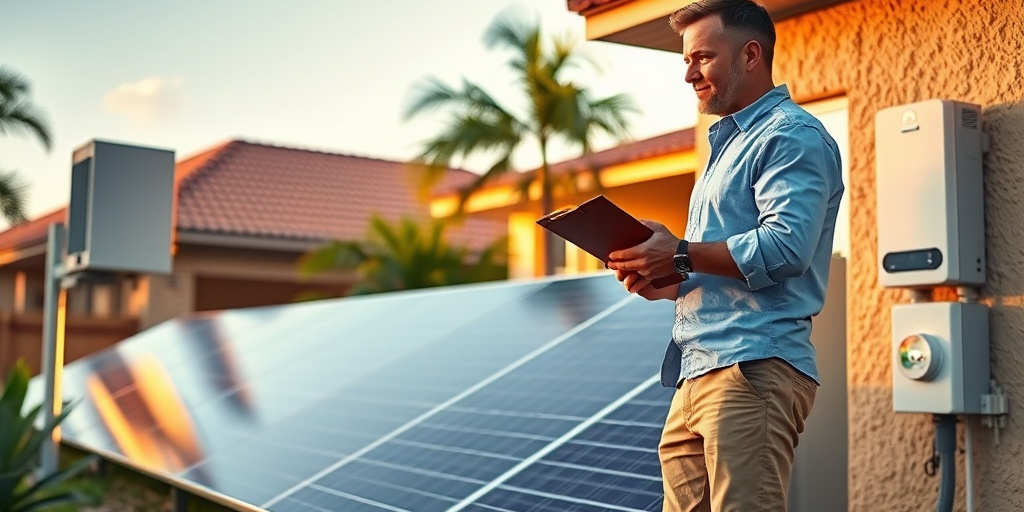
As the sun rises higher in the sky each day, Florida homeowners are faced with a pressing question: Can investing in solar power significantly reduce my energy bills? According to the Solar Energy Industries Association (SEIA), Florida ranks second in the nation for total installed solar capacity, and it’s not just about aesthetics. Transitioning to solar energy can lead to major savings, with homeowners saving upwards of $20,000 over twenty years (SEIA.org). With utility rates on the rise and renewable energy incentives becoming increasingly attractive in 2025, selecting the right components for your solar system is critical to your return on investment. In this comprehensive guide, we’ll cover “Critical Insights on Choosing the Right Inverter for Solar Systems.” We’ll explore the importance of inverters, dissect various types, debunk common myths, and provide actionable steps tailored specifically for the Florida market. Expect a deep dive into real-world case studies, technical expertise, and a focus on how to maximize your solar return on investment (ROI).
Understanding the Heart of Your Solar System: Inverters Explained
When it comes to solar systems, the inverter plays a crucial, often underappreciated role. It is the device that converts the direct current (DC) generated by your solar panels into alternating current (AC), which is the form of electricity that powers your home and is compatible with the grid. For instance, take the case of a Florida homeowner, Lisa, who decided to harness solar energy to counteract her ever-mounting electric bills. After a thorough investigation, Lisa discovered the importance of choosing the right inverter. Her choice of a high-quality microinverter not only enhanced her energy efficiency but also optimized her overall system performance. In fact, studies suggest that using microinverters can increase energy production by 10-20% when compared to traditional string inverters (SolarReviews.com).
Checklist for Choosing the Right Inverter:
- Step 1: Determine your energy needs and preferences.
- Step 2: Evaluate your roof space and the characteristics of your solar panels.
- Step 3: Research inverter types (string, micro, and power optimizers).
- Step 4: Factor in warranty and manufacturer support.
- Step 5: Consult with a trusted solar provider before making a final decision.
This checklist will serve as your guide. It’s essential to recognize that Florida’s unique climate—characterized by high humidity and intense sun exposure—can influence inverter performance and longevity. Not all inverters are created equal. For example, microinverters are often favored in Florida for their ability to function optimally even in partial shading, which can be common in suburban areas with canopy trees and architecture.
Myths About Inverters: Debunking Common Misunderstandings
Myth #1: All inverters are the same.
This could not be further from the truth. Different types of inverters—string inverters, microinverters, and power optimizers—have distinct advantages and disadvantages that impact system performance, particularly in Florida’s variable climate.
Myth #2: Inverters are maintenance-free.
While it’s true that modern inverters require less maintenance compared to older models, they can fail and should be monitored regularly. Inverter failure can lead to significant energy losses, making routine checks essential.
Myth #3: You don’t need to worry about inverter efficiency.
Inverter efficiency directly affects how much energy is converted and usable. With efficiency rates often increasing in newer models, understanding these metrics can literally save you money by maximizing your solar production.
Myth #4: You can install any inverter with any panel.
Compatibility matters. Various panels and inverters have to be matched to work optimally. Consult with your solar installer to ensure your equipment aligns correctly.
Local Focus: Florida’s Sun and Savings.
Did you know that Florida’s climate results in longer sun exposure compared to many states? According to the National Renewable Energy Laboratory, this gives solar systems installed in Florida a high potential for energy generation, further emphasizing the need for effective inverters (NREL.gov).
Best Practices for Choosing and Maintaining Your Inverter
5 Expert Solar Installation Tips for 2025:
Choosing the right inverter is just one step in ensuring that your transition to solar is successful. Below are crucial practices for both selection and maintenance:
Tip 1: Don’t skimp on quality.
Investing in a well-reviewed inverter is essential. Top brands often provide better performance and customer service. Aim for inverters that have been thoroughly tested in similar climatic conditions.
Tip 2: Understand your monitoring options.
Choose inverters that offer integrated monitoring. This real-time feedback can help you quickly diagnose issues and optimize performance, a necessity in Florida’s rapidly changing weather patterns.
Tip 3: Consult with local experts.
The best advice often comes from those who understand your local environment. Collaborate with solar professionals who have experience tailored to Florida’s needs.
Tip 4: Factor in the warranty.
A good warranty can be indicative of inverter quality and reliability. Look for warranties that extend to 10 years or more, as a comprehensive warranty can save you on potential replacement costs.
Tip 5: Regularly check for updates.
Inverter technology continues to evolve. Keeping your system updated means you can take advantage of the latest performance improvements and software functionalities.
Narrative: A Florida Homeowner’s Solar Journey
Let’s illustrate the importance of the inverter through the story of Jack, a commercial property owner in Miami. Jack was drawn to solar solutions for cost savings and environmental benefits. However, during his initial research, he felt overwhelmed by the sheer number of options available. Once he started meeting with solar companies, the focus shifted towards selecting the appropriate inverter.
Ultimately, Jack decided on a solar system featuring microinverters, which were engineered to optimize each solar panel’s output independently. During the first year alone, he observed a 25% reduction in energy costs—far exceeding his expectations. Further consults revealed that he had made a wise choice; many commercial users reported similar results, with microinverters providing adaptability and superior performance in partially shaded areas.
Jack’s experience illustrates a key learning: the importance of aligning technology to local environmental factors. When deploying your solar system in Florida, consider the following influencing factors:
- Type of roofing materials that can cast shadows and affect panel output.
- Seasonal variations in sunlight availability and intensity.
- Potential for storm damage and the need for high-quality infrastructure.
- Energy efficiency opportunities in commercial settings that can amplify savings.
Jack became a community advocate for solar power, sharing his story and encouraging neighbors to invest in renewable energy as Florida moved towards a greener future.
Next Steps for Florida Solar Buyers in 2025
Step 1: Audit Your Electric Bill.
Start with understanding your current energy consumption and costs. This helps in sizing your solar system appropriately and selecting an inverter that can meet your needs.
Step 2: Research Incentives Available.
Check for federal, state, and local solar incentives that may reduce your installation costs. Florida’s net metering policies can also enhance financial returns on your solar investment.
Step 3: Consult a Trusted Solar Provider.
Partner with reputable companies that can provide tailored solutions. They’ll guide you towards the best inverter choices for your home or business, based on a thorough understanding of your unique circumstances.
Step 4: Plan Regular System Checks.
Post-installation, regular maintenance checks are crucial. Ensure your inverter functions optimally, as prolonged periods of inactivity can impact performance.
Step 5: Adapt to Technological Advances.
Embrace advancements in solar technology by considering upgrades when they become available, ensuring long-term savings.
As Florida homeowners and commercial property owners contemplate the switch to solar, it’s crucial to make informed decisions. In 2025, the landscape for solar energy has never been more favorable. Leaping into this renewable revolution can safeguard not only your financial future but also contribute to a sustainable environment.
Still uncertain? Remember, every step you take towards solar is a step towards energy independence. Save money and the planet by reaching out to a certified expert at floridaelectricandsolar.com today.
Related Articles
More insights about Solar Inverter

10 Quick Tips for Choosing the Right Solar Inverter

Technical Deep-Dive: Choosing the Right Inverter for Solar Efficiency

The Ultimate Guide to Choosing the Right Inverter for Solar Systems
Ready to Go Solar?
Have questions about solar energy? Our experts are here to help you make the switch to clean, renewable energy.