
What Are the Most Common Solar Panel Installation Mistakes?
Share:
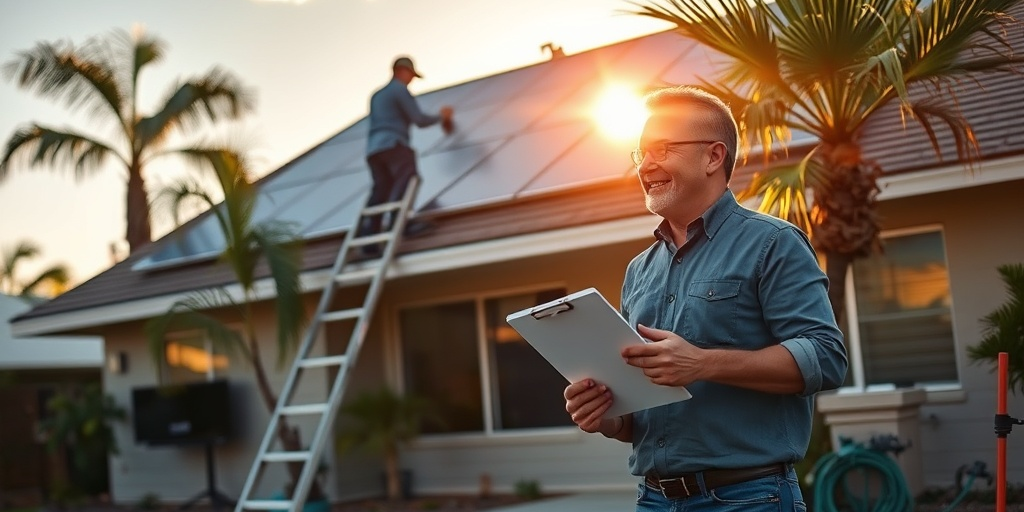
In the sunny state of Florida, we are blessed with abundant sunshine, making solar energy an irresistible opportunity for homeowners and commercial property owners alike. Yet, as enticing as the prospect may be, the journey toward harnessing the power of the sun is often riddled with pitfalls. Did you know that nearly 70% of solar panel installations could be improved to maximize efficiency and savings? Or, that improper installation can lead to a staggering 25% decrease in energy production? In our blog post titled, What Are the Most Common Solar Panel Installation Mistakes?, we will highlight these crucial issues and help you avoid costly blunders! The urgency of this topic is paramount in 2025, as Florida homeowners are faced with rising energy costs, new solar incentives, and the consistent threat of grid instability. In this article, we will explore the following five sections to ensure your journey into solar energy is smooth and successful: a deep dive into common mistakes seen in installation, actionable checklists for the planning phase, myth-busting misconceptions about solar power, a local focus on Florida-specific considerations, and a technical analysis of solar systems.
Common Solar Panel Installation Mistakes: An In-Depth Exploration
Many homeowners embark on the solar energy journey with the best intentions, but unfortunately, missteps along the way can lead to inefficiencies and heightened costs. Let’s consider the story of John and Maria, a couple from Orlando, Florida, who decided to go solar to reduce their electric bills and minimize their carbon footprint. They invested in a solar panel system after attending an enticing workshop boasting unrealistically ideal setups. However, within a few months of installation, they noticed that their energy savings were significantly lower than projected. What went wrong?
John and Maria ignored a vital step—thoroughly researching the installation process and potential mistakes that can arise. They didn’t realize that improper roof assessment and panel placement could lead to shaded areas of their home impacting energy generation. In fact, the Department of Energy states that a well-placed solar panel can produce up to 20% more energy compared to one that is shaded or poorly positioned (Energy.gov). Additionally, they overlooked the importance of a qualified contractor with local expertise, which might have helped to catch these oversights.
Here are some tangible steps that all Florida homeowners should follow to avoid similar mistakes:
- Step 1: Conduct a thorough roof inspection before installation to assess structural integrity and ideal panel placement.
- Step 2: Research local Florida installers with proven track records, ensuring they have the necessary licenses and insurance.
- Step 3: Understand your solar needs by analyzing your past electric bills and estimating your future usage.
- Step 4: Investigate available solar incentives to inform your financial decisions.
- Step 5: Always request a detailed layout plan from your installer before finalizing your decision.
To further lend support in your solar journey, consider busting some of the myths surrounding installations:
- Myth #1: Solar panels don’t work in cloudy weather. In reality, solar panels can still harness energy even on overcast days, albeit at reduced efficiency (SolarReviews.com).
- Myth #2: You need to buy your panels upfront. In today’s market, leasing options and financing make solar access more achievable.
- Myth #3: Solar installations are too expensive to consider. New incentives and decreasing costs of solar technology make it a viable investment for many homeowners.
Moreover, Florida is unique in that it has specific solar laws and incentives that can benefit homeowners. For instance, the Florida Solar Rights Act ensures that your HOA cannot prevent you from installing solar (SEIA.org). As you consider your options, don’t overlook these local factors that can greatly influence your project.
Now, let’s delve deeper into the **technical aspects** that can either foster or hinder your future energy savings. Understanding the types of panels, inverters, batteries, and billing structures can help illuminate the path forward, ensuring you avoid costly errors.
Understanding Installation Mistakes and Their Consequences
When it comes to solar installations, a strong foundation starts with understanding the types of panels available. Choosing between monocrystalline and polycrystalline panels is essential, considering the efficiency and costs associated with each. Monocrystalline panels may cost more initially, but their higher efficiency often compensates for this, making them a popular choice among Florida homeowners. Conversely, polycrystalline panels, while typically less expensive, may require more space to produce the same energy output.
But selecting the right equipment is only part of the equation. Frequently, the most significant mistakes stem from poor planning and execution before, during, and after the installation. Some of the critical errors to watch out for include:
- Failure to negotiate appropriate panel placement can lead to significant shading, reducing energy production.
- Using improper mounting systems may risk the longevity of your panels, especially in areas like Florida where hurricanes could pose a threat.
- Neglecting to research utility interconnect agreements can lead to unexpected fees or difficulties once the system is installed.
- Not understanding potential degradation over time can mislead homeowners into underestimating how much energy their systems will generate in the long term.
Addressing these issues proactively means not only a well-informed decision but also better long-term savings. It is crucial to recognize these factors when moving forward with a solar installation in Florida. Given the ongoing dialogue around energy independence and reliability, there has never been a better time to harness solar power to maximize both savings and sustainability.
Next, we’ll explore some more expert installation tips tailored specifically for Florida homeowners in 2025.
5 Expert Solar Installation Tips for 2025
Embarking on the journey to solar energy brings hope and excitement but ground your dreams in practicality with these concrete tips. Know that improper solar installation can lead to significant headaches later on. Here are five expert recommendations:
- Don’t Skimp on Panel Placement: Positioning your solar panels in optimal sunlight exposure is one of the most crucial aspects. Use a solar analysis tool such as SolarPathfinder to identify the best locations.
- Seek Out Qualified Professionals: Use local contractors who understand Florida’s demanding weather conditions. Check for their certifications and consult reviews.
- Inquire About Equipment Warranties: Ensure that your panels and inverters come with long-term warranties. Quality assurance can prevent costly replacements down the line.
- Understand Net Metering: Florida offers net metering, allowing homeowners to sell excess energy back to the grid. Familiarize yourself with how this can offset your own energy costs.
- Monitor Energy Production: Post-installation, always keep a close eye on your solar system’s energy production to catch any discrepancies early. This can help you troubleshoot issues before they become costly problems.
By embracing these best practices, you can dramatically improve your solar experience and reduce the likelihood of complications down the road.
But let’s not stop there. To emphasize the real-life implications of these tips, let’s journey through a fictional yet relatable scenario of a Florida homeowner’s solar journey.
A Realistic Solar Journey: The Sanchez Family’s Experience
Meet the Sanchez family, residing in Naples, Florida. Eager to transition to solar in 2025, they initially faced skepticism, a common emotion for many homeowners. Initially, they thought, “What if solar is just a fad?” But after years of high electric bills and increasing utility costs, they decided to explore their options. Through research, they learned about the various incentives available in Florida and found a reputable solar installation company through recommendations from friends and local reviews.
Once they contacted the company, they were guided through every step of the installation process. Here are the key highlights of their journey:
- Thorough Roof Policy Assessment: A detailed inspection of their roof revealed that they would benefit from south-facing panels, maximizing the sun’s rays.
- Engaging a Local Installer: A local installer avoided the typical mistakes made by generic firms; they understood Florida’s weather and regulations comprehensively.
- Understanding Solar Savings: By assessing energy needs and engaging in net metering, the Sanchez family could confidently predict their savings.
- Embracing Technology: They invested in a monitoring system that provided instant feedback on their energy production and consumption.
This decision has dramatically changed their lives! Not only did they see their energy bills decrease by more than 60%, but they felt empowered knowing they could produce their own energy. Additionally, by connecting their excess energy to the grid, they took advantage of Florida’s net metering program, further enhancing their savings.
Success stories like the Sanchez family’s highlight the vital importance of smart planning and informed decision-making in solar energy adoption. As you prepare for your solar journey, consider what steps you can take to replicate their successes.
Next Steps for Florida Solar Buyers in 2025
Ready to embark on your journey to solar energy? Here’s an actionable checklist to ensure you’re fully prepared to harness the power of the sun while avoiding common pitfalls:
- Step 1: Audit Your Electric Bill: Start by reviewing your last 12 months of electric bills to understand current consumption patterns.
- Step 2: Research Available Incentives: Check local and state incentives, tax credits, and rebates available in Florida to help fund your solar investment.
- Step 3: Get Multiple Quotes: Consult with various local solar companies to compare pricing, services, and reviews.
- Step 4: Schedule a Roof Inspection: Prior to installation, ensure your roof is in good condition and can support the solar panels.
- Step 5: Choose Your Equipment: Decide between different panel types and inverters based on your budget and needs. Consult with your installer for recommendations.
Taking this proactive approach not only prepares you for the investment but helps eliminate the potential for mistakes. As always, lean on trusted professionals for guidance through this process. For more information on optimizing your solar journey, visit floridaelectricandsolar.com.
Bringing It All Together: Your Solar Journey Matters
In conclusion, understanding, learning, and planning for solar energy adoption is paramount for every Florida homeowner. The road to success is often paved with knowledge gained from others’ experiences, as demonstrated by John and Maria, the Sanchez family, and countless others navigating the electrifying world of solar power. Armed with best practices, actionable next steps, and insights into common pitfalls, you are now equipped to champion your solar journey with confidence. Remember, the urgency of making this decision in 2025 has never been greater due to rising energy costs, new solar incentives, and the ongoing drift toward energy independence. Every decision you make now deeply impacts your life, family, and future sustainability.
Ready to start your solar journey in 2025? Connect with a certified expert at floridaelectricandsolar.com today.
Related Articles
More insights about Solar Panel

Florida Homeowners: Why Solar Panel Maintenance Is Essential

7 Essential Steps for Solar Panel Installation Success

Expert Insights: Key Factors Influencing Solar Panel Lifespan
Ready to Go Solar?
Have questions about solar energy? Our experts are here to help you make the switch to clean, renewable energy.