
What Are the Benefits of Community Solar for Florida Homeowners
Share:
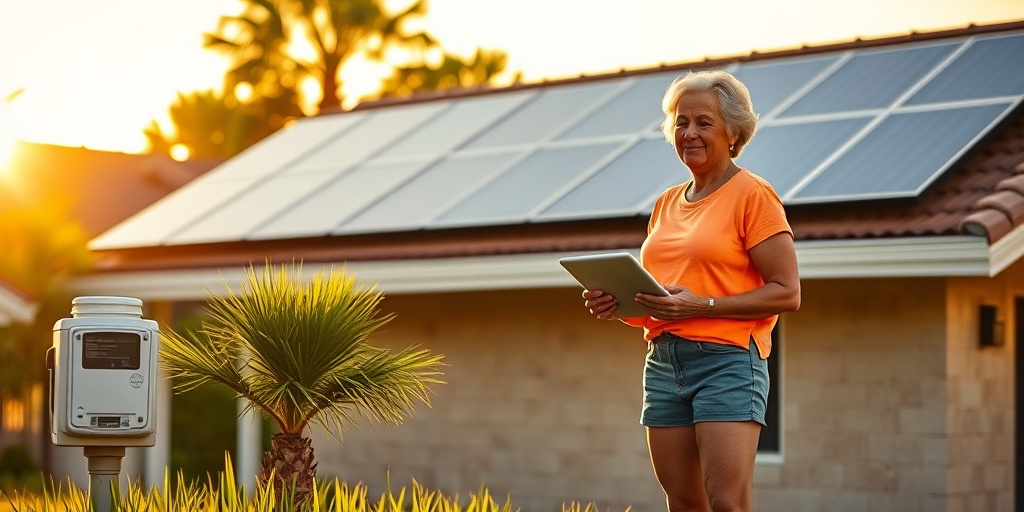
The future of energy consumption in Florida has never looked brighter. Did you know that nearly 70% of Floridians support solar energy, with many understanding that it plays a vital role in combating climate change? This rapid shift towards renewable resources is amplified by the rise of community solar programs. In our article titled What Are the Benefits of Community Solar for Florida Homeowners, we will explore the numerous advantages of joining a community solar initiative that brings you closer to sustainability without the high upfront cost of traditional solar installation. Community solar not only offers savings on energy bills but also broadens the accessibility of solar power across diverse neighborhoods, ensuring that anyone, regardless of location or income, can harness this clean energy source. Moreover, with rising energy costs and expected changes in policy incentives in 2025, now is the time to take action. This article will dive into five key areas: a case study illuminating the real-life impact, essential checklists for joining programs, myths surrounding community solar, local benefits specific to Florida, and a deep dive into the technical aspects of how community solar systems operate. Prepare to discover the multifaceted benefits that community solar can bring to Florida homeowners.
Diving Deep into Community Solar: A Case Study
Consider Maria, a resident of Fort Myers: a single mom who works two jobs and struggles to manage her household’s rising energy costs. Each month, her electricity bills eat significantly into her budget. She heard about community solar from a friend, prompting her to research how she could benefit from it. Maria discovered a community solar program in her area that allowed her to contribute to a local solar farm without needing to install panels on her own home.
By joining this program, Maria learned she would receive a portion of the energy generated by the solar farm—effectively reducing her electric bills by approximately 15%. This deduction might seem modest, but for Maria, it signifies a potential annual savings of $300 to $600 (SolarReviews.com). Community solar initiatives like this one maximize accessibility by allowing families like Maria’s to benefit from renewable energy, even if their own roofs aren’t suitable for solar panels.
In 2025, participation in community solar can help Florida homeowners collectively reach renewable energy targets set by the state, which aims for 100% clean energy by 2050 (SEIA.org). To make the most informed choice in joining a community solar initiative, here’s a handy checklist:
- Research the Available Programs: Look for community solar gardens in your area to understand what specific programs are available, their size, and their expected output.
- Understand Pricing Structures: Compare costs between different community solar initiatives, including monthly fees and any hidden charges.
- Examine Financial Benefits: Understand how much you can save and whether any bonuses or credits can be achieved through the program.
- Company Reputation: Ensure the company running the community solar initiative has a solid reputation and customer satisfaction ratings.
- Long-term Commitment Options: Know how long you’ll be committed to the program before making a formal decision.
Transitioning towards a renewable community solar initiative offers numerous benefits, but it’s essential to dispel some common myths regarding these programs. Let’s tackle them head-on.
Debunking Myths About Community Solar
Setting the record straight is crucial for Florida homeowners considering community solar. Many myths and misconceptions abound, so let’s separate fact from fiction.
- Myth #1: Community Solar is Only for the Wealthy. Contrary to this belief, community solar programs are designed to be inclusive and accessible, with many targeting lower-income households (Energy.gov).
- Myth #2: You Must Have Perfect Roof Conditions to Participate. Unlike traditional solar ownership, community solar allows participants to benefit from offsite solar farms, making it possible for those without ideal roof conditions to save.
- Myth #3: Community Solar Reduces the Value of Your Home. In fact, community solar participation can enhance the value of your property by demonstrating a commitment to sustainable practices.
With over 20 community solar programs available in Florida, geography does not limit participation. Each program will contribute to Florida’s energy grid, and solar energy’s continued growth is directly tied to individual involvement.
Local Focus: Unique Benefits for Florida Homeowners
Florida is not just the Sunshine State by name; it’s also becoming a leading force in the solar power movement. Community solar programs in Florida offer multiple unique advantages that cater specifically to our state’s residents. Here are several key benefits:
- Accessibility: Many programs require no upfront investment, allowing participation from individuals who might not have the capital for a full solar system installation.
- Environmental Impact: Community solar directly contributes to reducing the carbon emissions drawn from fossil fuels; it’s a profound way to combat climate change locally. Florida is on track to reduce its carbon footprint with programs committing to sustainability.
- Economic Growth: Community solar creates jobs within Florida, as local companies are often hired to install and maintain the installations, thereby boosting the local economy.
These distinctive benefits paired with Florida’s overall push for clean energy enhance the appeal of community solar initiatives. To delve even deeper, let’s explore the technical side of community solar, which many homeowners may find intriguing.
Technical Deep-Dive: Understanding Community Solar Systems
Community solar systems utilize solar panels installed in a shared location, feeding energy into the local grid. Many homeowners may wonder how this innovative system works and how it’s impacting their electricity bills. Here is a closer look at the components involved:
- Solar Panels: These panels convert sunlight into electricity, which is then sent to the power grid. The energy produced is monitored and accounted for, resulting in credits applied to individual homeowners’ bills.
- Inverters: Solar inverters convert the direct current (DC) generated by the panels into alternating current (AC), which is the type of electricity used in homes.
- Subscriptions and Credits: Homeowners who subscribe to community solar programs either pay a regular fee based on their energy usage or purchase a share of the solar output, receiving a credit on their electricity bills.
Understanding these technical aspects is vital for making informed decisions as you consider your potential participation in community solar programs. With this knowledge in hand, let’s look at the essential steps to embark on your own solar journey in 2025.
Next Steps for Florida Solar Buyers in 2025
To maximize your benefits from community solar, here is a streamlined action plan:
- Audit Your Electric Bill: Make a clear assessment of your energy consumption patterns to determine potential savings from community solar initiatives.
- Research Local Programs: Utilize resources such as community solar maps and directories to find pertinent programs in your area.
- Contact Solar Providers: Reach out to community solar program providers to inquire about their offerings, costs, and participation details.
- Review Your Options: Weigh the pros and cons of each program based on what best suits your energy usage and budget.
- Join and Celebrate: After selecting a program, sign up and start enjoying the benefits of renewable energy while contributing to a sustainable future!
Embracing community solar is not just about saving money; it’s about fostering a brighter future for our environment and families. The potential gains are substantial, with *Florida Electric & Solar* available to assist you along the way. Remember, education is key.
Conclusion: Your Solar Journey Awaits
As we summarize, the benefits of community solar for Florida homeowners stretch far beyond economic savings; they encompass environmental impacts, job creation, and community engagement. Through stories like Maria’s, we see the real-world implications of participating in community solar programs as a stepping stone towards energy independence and a healthier planet. It’s a win-win for the economy and the environment. With incentives changing and energy costs expected to rise in 2025, now is the optimal moment to explore these alternatives. Ready to start your solar journey in 2025? Connect with a certified expert at floridaelectricandsolar.com today.
Related Articles
More insights about Community Solar

Florida Residents: 5 Reasons to Consider Community Solar Benefits

South Florida Community Solar Benefits: What Residents Should Know

Beginner’s Guide to Understanding Community Solar Benefits
Ready to Go Solar?
Have questions about solar energy? Our experts are here to help you make the switch to clean, renewable energy.