
Critical Alert: Don’t Fall for These Solar Scams
Share:
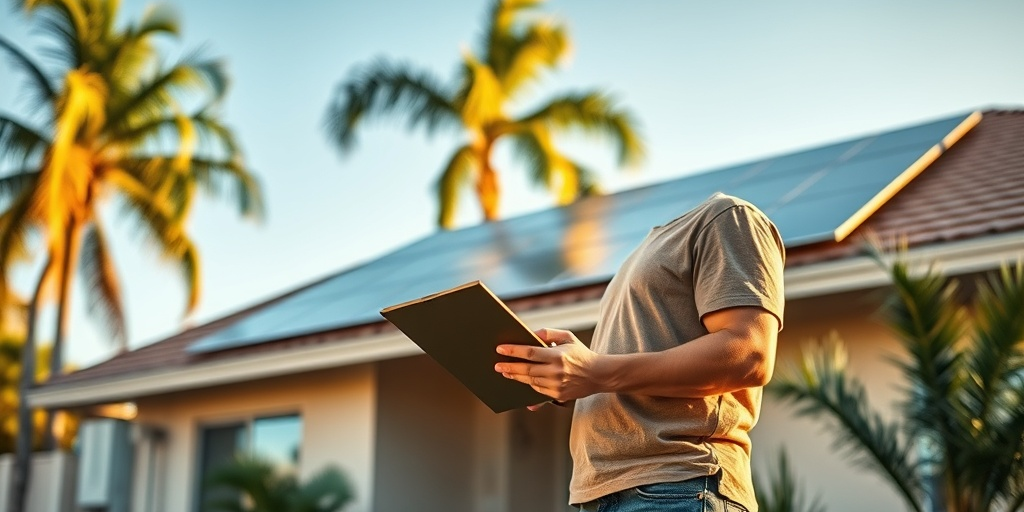
As homeowners increasingly consider solar energy, scams within this promising industry are on the rise. Did you know that nearly 60% of consumers face some form of deceptive marketing when exploring solar options? This disturbing statistic highlights a surge in fraudulent offers since the introduction of tax incentives in 2023, making it critical for homeowners to stay informed. Welcome to our article: Critical Alert: Don’t Fall for These Solar Scams. With 2025 just around the corner, understanding these pitfalls is more vital than ever. According to a survey conducted by the Solar Energy Industries Association (SEIA), over 80% of homeowners express interest in solar power, yet less than half have taken steps to install it due to concerns about scams (SEIA.org). As rising energy costs continue to plague Floridians, safeguarding your investment in solar is paramount.
This article outlines everything you need to know to protect yourself from solar scams. First, we’ll delve into a powerful case study that illustrates the devastating impact of fraud on homeowners. Next, we’ll provide you with a foolproof checklist to ensure you’re not falling victim to common scams. Following that, we’ll bust several myths that can mislead you in your solar journey. Then, we’ll focus on Florida-specific challenges and opportunities that you shouldn’t ignore. Finally, we’ll take a deep dive into technical aspects of solar energy that are often obscured in promotional materials. Let’s take charge of our energy future together!
Understanding Solar Scams: A Real Case Study
Meet Sarah, a Florida homeowner who felt compelled to turn to solar energy as her electricity bills skyrocketed. On the advice of a well-meaning friend, Sarah contacted a local solar provider who appeared professional, leading Sarah to believe she was making a wise investment. However, after signing a contract, she soon realized that the promised savings were nothing more than an elaborate ruse. What she thought was a legitimate company turned out to be a shell operation, quickly disappearing once payment was made.
The experience left Sarah feeling deceived and financially vulnerable. Alarmingly, she is not alone; several reports from the Better Business Bureau indicate that Florida ranked among the top states for consumer complaints regarding solar energy scams (BBB.org). So how can potential solar adopters avoid the traps Sarah fell into? Here’s a straightforward checklist:
- Research the Company: Verify the credentials and customer testimonials of the solar provider.
- Read the Contract Thoroughly: Never sign anything without understanding the terms, including hidden fees.
- Inquire about the Technology: Request detailed information about the solar panels and inverters being used.
- Compare Multiple Quotes: Always seek at least three quotes to ascertain if the pricing aligns with market standards.
- Watch Out for High-Pressure Sales Tactics: Genuine companies won’t pressure you to make an immediate decision.
Many homeowners may believe that claims like “free solar panels” or exorbitant tax credits sound too good to be true—and often they are. Such misleading marketing tactics feed the myth that you can attain solar energy with little to no investment when, in fact, technological costs and installation fees remain significant (NREL.gov). Armed with knowledge from real experiences like Sarah’s, you can take proactive measures to shield yourself from scams. The solar industry has a lot to offer if one approaches it cautiously and educated.
As we shift gears, let’s tackle common misconceptions that continue to circulate, undermining the integrity of the solar movement.
Debunking Common Myths About Solar Energy
In the realm of solar energy, misinformation runs rampant. Here’s our Myth-Buster section that clarifies these misconceptions and provides peace of mind to potential solar customers:
- Myth #1: Solar Energy is Too Expensive. While initial investment costs can be significant, the long-term savings on energy bills can easily outweigh them. Many Florida homeowners report saving thousands within the first few years (SolarReviews.com).
- Myth #2: Solar Panels Require Constant Maintenance. Modern solar panels typically require minimal upkeep. Regular cleaning and occasional inspections are often more than sufficient to keep them functioning optimally.
- Myth #3: You Have to Own Your Home to Go Solar. Many leasing options are available, and some programs allow renters to participate in community solar initiatives, making it an option for a broader audience.
In Florida, specific state policies exist to support adoption, including net metering and solar incentives, which drastically reduce the upfront costs for homeowners (Energy.gov). These benefits are critical in helping Floridians transition to renewable energy effectively. It’s important to distinguish these facts from the daunting myths that often pop up in conversations about solar energy. As we highlight the local focus of our discussion, let’s explore the landscape for solar energy in Florida.
The Florida Solar Landscape
With abundant sunshine and incentivized policies, Florida has become a promising locale for solar energy adoption. According to the Florida Solar Energy Center, the state ranks third in the nation in total solar capacity, showcasing the tangible benefits of this renewable resource (FSEC.edu). However, the same environment that supports solar growth also creates opportunities for scammers to exploit unknowing buyers.
Here are several key factors you must consider when exploring solar options in Florida:
- State Incentives: Research available tax credits or rebates designed to lower the cost of solar investments in Florida.
- Weather and Panel Performance: Florida’s humid climate can affect solar panel efficiency, so investing in high-quality panels is imperative.
- Local Regulations: Be well-versed in community-specific regulations that may impact installation, such as HOA requirements.
- Rooftop vs. Ground-Mounted Systems: Evaluate the benefits of different installation locations based on your property.
It’s essential to take these factors into account as they directly impact your solar investment. By understanding the unique landscape of solar energy in Florida, you will be better equipped to make informed decisions that align with your energy goals.
Next, let’s focus on the technical aspects of solar installations, helping you differentiate between credible and deceptive promises in the marketplace.
The Technical Deep-Dive: Understanding Your Solar System
The different components involved in a solar energy installation can feel overwhelming. However, understanding each part can help you navigate the offerings of potential contractors more effectively. Here’s what you need to know about solar components and compliance:
- Solar Panels: Look for high-efficiency panels from reputable brands. Investigate warranties and product reviews to ensure longevity.
- Inverters: These convert the direct current (DC) generated by solar panels into alternating current (AC) for household usage. Different types of inverters can affect the overall efficiency.
- Batteries: Many homeowners are integrating battery storage for energy independence and emergency power supply. Evaluate local compatibility and costs.
- Monitoring Systems: These allow you to track energy production in real-time, providing insights into performance and functionality.
In terms of technology, understanding how these systems work helps you spot when a contractor mightn’t be forthcoming about the specifics. Reputable installers will provide explicit details concerning the type of products being used and their implications for your energy production. As we move onto the final section, let’s outline an actionable plan to expedite your journey in adopting solar energy.
Next Steps for Florida Solar Buyers in 2025
Looking to make the leap into solar energy can be daunting, but having an actionable plan in place drastically sets you on the right track. Here’s a step-by-step guide:
- Step 1: Audit Your Electric Bill. Understand your energy consumption patterns to estimate savings and impacts of switching to solar.
- Step 2: Research Local Providers. Use resources like the Better Business Bureau and online reviews to identify trustworthy contractors.
- Step 3: Get Multiple Quotes. Comparing estimates helps you understand the market rate and avoid overpaying.
- Step 4: Evaluate Financing Options. Look into available financing plans—many reputable companies offer flexible options to meet your financial constraints.
- Step 5: Finalize the Installation. Once you’ve decided on a provider, ensure everything is in writing before moving forward.
By following this structured checklist, you’ll reduce the friction often encountered when navigating your solar journey. The excitement of investing in renewable energy is invigorating—owning your power is liberating!
As we wrap up, the necessity to safeguard your investment in solar energy remains imminent. Let’s reflect on the journey we just covered.
In our exploration of solar energy, we went through real-life experiences that serve as crucial warnings for prospective buyers. The significant opportunities present themselves alongside hidden dangers; however, knowledge and vigilance are your greatest allies. As 2025 approaches, being aware of potential scams while understanding local incentives and technological insights can empower you to make informed decisions.
Ready to start your solar journey in 2025? Connect with a certified expert at floridaelectricandsolar.com today.
Related Articles
More insights about Solar Scams

Warning: Don’t Overlook These Solar Scams to Avoid

Don’t Miss This Critical Alert About Solar Scams

Don’t Ignore These Critical Solar Scams to Avoid
Ready to Go Solar?
Have questions about solar energy? Our experts are here to help you make the switch to clean, renewable energy.