
Critical Alert: Don’t Fall for Solar Installation Scams
Share:
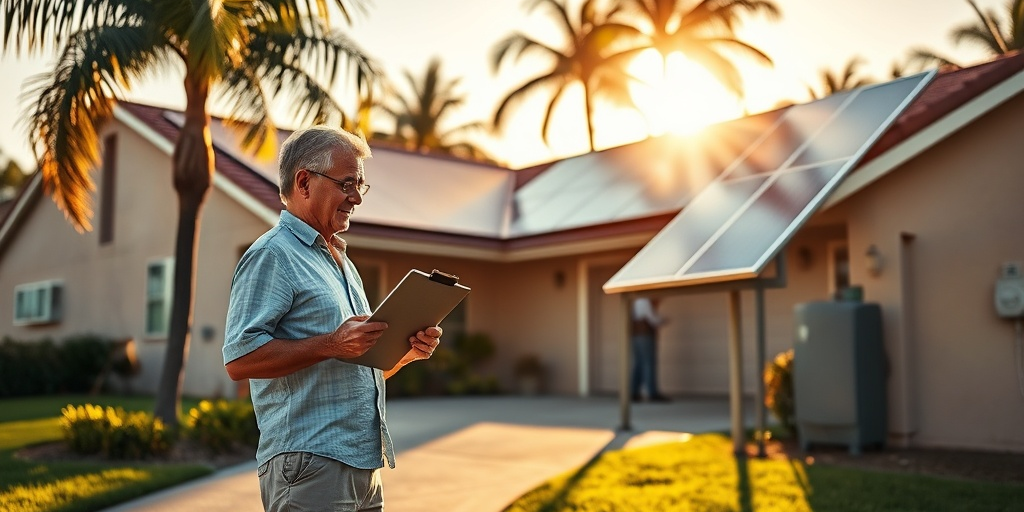
Critical Alert: Don’t Fall for Solar Installation Scams. Did you know that according to the Solar Energy Industries Association, over 80% of solar installers in the U.S. are reputable, yet 20% are not? This gap can lead well-meaning Florida homeowners to fall prey to scams that could cost them thousands in unnecessary expenses (SEIA.org). In 2025, as more citizens turn to renewable energy sources due to increasing electricity prices—up to 14% in just a few years—it’s critical to approach the solar installation process with caution (Energy.gov). This urgency isn’t just about saving money; it’s about protecting your investment and ensuring your transition to solar energy is smooth and beneficial.
With so much at stake, our guide will cover essential topics including:
- Real-life stories of scam victims and how you can avoid them.
- A practical checklist for identifying legitimate solar companies.
- Busting common myths surrounding solar installation to empower your decisions.
- Local insights into Florida’s solar market to enhance your understanding.
- A technical deep dive into the components that shape your solar experience.
Understanding these areas will go a long way in safeguarding your investment and ensuring that the transition to solar is as rewarding as it should be.
Understanding Solar Installation Scams: Forewarned is Forearmed
Before diving into the nitty-gritty, let’s start with a poignant story. Meet Tom, a Florida homeowner who, consumed by tales of high electricity bills and the promise of sustainability, decided to take the plunge into solar energy. After a bit of research, he found a company that seemed promising, with eye-catching ads and flashy testimonials. Eager to save money, Tom signed the dotted line. It wasn’t until months later, when his solar system underperformed and communication became erratic, that Tom realized he had fallen victim to a scam.
This story mirrors a troubling trend. According to the Better Business Bureau, the solar industry is seeing an increase in complaints; nearly 60% of them relate to poor installation practices and unfulfilled promises (BBB.org). As Florida homeowners gear up to embrace solar energy in 2025, it’s more vital than ever to be aware of potential pitfalls in your project—read “Critical Alert: Don’t Fall for Solar Installation Scams” to avoid costly mistakes.
To avoid Tom’s fate, let’s explore actionable steps you can take. First, here’s a checklist to ensure your chosen installer possesses the right credentials:
- Verify Credentials: Check that the installer is licensed and insured to operate in Florida. Ask for their NABCEP certification, which denotes a high level of expertise.
- Research Reputation: Read online reviews and check their ratings with the Better Business Bureau. Scammers tend to have inconsistent reviews.
- Ask for References: Legitimate companies should provide references from past clients. Reach out and ask about their experience.
- Get Multiple Quotes: Don’t settle for the first estimate. Compare quotes from multiple providers to gauge the market and spot any anomalies.
- Check for Clear Contracts: A reputable installer will offer a clear, written contract detailing all costs, warranty coverage, and expected outcomes.
While you evaluate various solar companies, it is equally important to bust some common myths that can mislead you:
Busting Common Myths About Solar Installation
Myth #1: All Solar Installers are the Same. While it’s true that many installers are reputable, there are also those operating under the radar. Therefore, identifying qualified companies is imperative to avoid scams.
Myth #2: Solar is Just for Tech-Savvy Consumers. This could not be further from the truth. With advances in technology, solar panels are designed to be user-friendly and accessible to everyone.
Myth #3: Solar Panels are Too Expensive. The reality is quite the opposite. With decreasing prices and an array of financing options, going solar is more attainable than ever before.
Myth #4: Solar Will Always Pay for Itself. While solar energy saves money, unexpected expenses, and poor installation can negate these savings. Proper research is necessary.
Myth #5: Installation is Irreversible. In reality, most systems can be modified or removed, but that doesn’t mean you should skimp on quality installation from the start.
These myths only serve to confuse potential solar customers like Tom, emphasizing the importance of education and diligence during this process. Now, let’s delve into how Florida homeowners can tailor their expectations when bringing solar energy into their lives.
Florida’s Unique Solar Landscape: What You Need to Know
Florida has just celebrated its position as the second-largest solar market in the nation, with a rapid growth trajectory expected to continue through the coming years (SolarReviews.com). However, navigating the local market means being sharp and discerning. With a unique energy framework and incentives set in place by the state, your understanding of local policies is paramount. Here’s what you need to keep in mind:
- Incentives: Florida homeowners can take advantage of a property tax exemption for solar systems, ensuring that your home’s value won’t increase due to the installation of solar panels (DSIREUSA.org).
- Net Metering: As a Florida resident, you can benefit from net metering policies that allow you to receive credits for the excess energy produced by your solar system.
- Solar Co-operatives: These allow homeowners to band together to secure bulk purchasing power, making solar adoption even more financially feasible.
Understanding these terms will not just save you money—it’ll empower your solar journey and lead you away from potential scams.
Best Practices for Solar Installation
Searching for legitimate solar installation can be overwhelming, but following these five expert tips will streamline the process:
- Conduct a Home Energy Audit: This step will help determine your energy needs and the optimal size of your solar system.
- Invest in Quality Equipment: Don’t skimp on solar panels, inverters, or batteries. Quality components will yield long-term savings and efficiency.
- Utilize Professional Installation: Always choose certified professionals for installation. DIY projects can lead to major pitfalls.
- Monitor Your System: Once installed, regularly check the performance of your system, ensuring all components function properly.
- Engage With Your Community: Sharing experiences with neighbors can provide insights and recommendations for reliable local installers.
Implementing these practices reduces the chances of mishaps that can cost you time and money. As you consider the power of solar energy, let’s explore a practical illustration of a homeowner’s journey in the world of solar power.
A Realistic Investment: The Journey of a Florida Homeowner
Let’s explore the journey of Ashley, a Florida homeowner who faced high electricity bills and wanted to embrace solar power. After a thorough research process, Ashley began her solar journey armed with knowledge and awareness about potential scams.
She started by pinpointing her energy consumption patterns, which allowed her to understand how much energy her future solar panels would need to generate. After that, Ashley followed these four steps:
- Securing Multiple Quotes: Ashley solicited quotes from four solar companies, ensuring she compared similar offerings to safeguard herself from scams.
- Researching Company Backgrounds: Through extensive online research, she reviewed customer feedback and ratings, providing insight into each company’s reputation.
- Evaluating Contracts: Ashley scrutinized each contract for transparency in costs and warranties, eliminating contracts that were vague or overly complex.
- Asking for References: Before signing anything, she reached out to previous clients of the installer for firsthand accounts of their experiences.
Ashley’s preparation paid off when she successfully partnered with a highly rated solar installer. Within a few weeks, her panels were up and running. Her energy bills dropped by 50%, allowing her to allocate those savings toward home improvements.
Like Ashley, any Florida homeowner can navigate the solar landscape intelligently, steering clear of scams and enjoying the financial rewards associated with solar energy. Now that you have insights into screening installers, let’s look at actionable next steps as you consider going solar.
Next Steps for Florida Solar Buyers in 2025
Deciding to go solar can feel overwhelming, but taking it one step at a time can simplify the process. Here’s your actionable checklist to guide you:
- Audit Your Electric Bill: Analyze your usage over the last year to determine how much power your solar system should produce.
- Research Local Installers: Compile a list of potential providers and check their reviews and credentials.
- Schedule Consultations: Meet with at least three installers to get quotes, recommendations, and to assess their communication skills.
- Review Financing Options: Understand available options tailored to your financial situation—look into loans, leases, or power purchase agreements.
- Make an Informed Decision: Weigh all the information you’ve gathered, and choose the solar option that best fits your needs.
These steps aim to simplify your decision-making and reduce the risk of falling victim to scams. Armed with the right knowledge and support, your transition to solar energy can be seamless and fruitful. For more information, visit floridaelectricandsolar.com.
In closing, the decision to embrace solar power can significantly transform your financial future while contributing to a sustainable environment. By understanding the landscape of available options and the pitfalls to avoid, Florida homeowners can take confident steps toward their solar journey. Remember, in an era of rising energy costs and increasing reliance on sustainable solutions, being informed about the solar process is essential. Your family’s future and financial well-being depend on decisions made today.
Ready to start your solar journey in 2025? Connect with a certified expert at floridaelectricandsolar.com today.
Related Articles
More insights about Solar Installation

Flat Roof Solar Mounting in Florida: A Complete Installation Guide

Myth: Solar Installations Don’t Qualify for Federal Tax Credits

Warning: Don’t Fall for These Solar Installation Scams
Ready to Go Solar?
Have questions about solar energy? Our experts are here to help you make the switch to clean, renewable energy.