
Critical Alert: Don’t Fall for Common Solar Scams in Florida
Share:
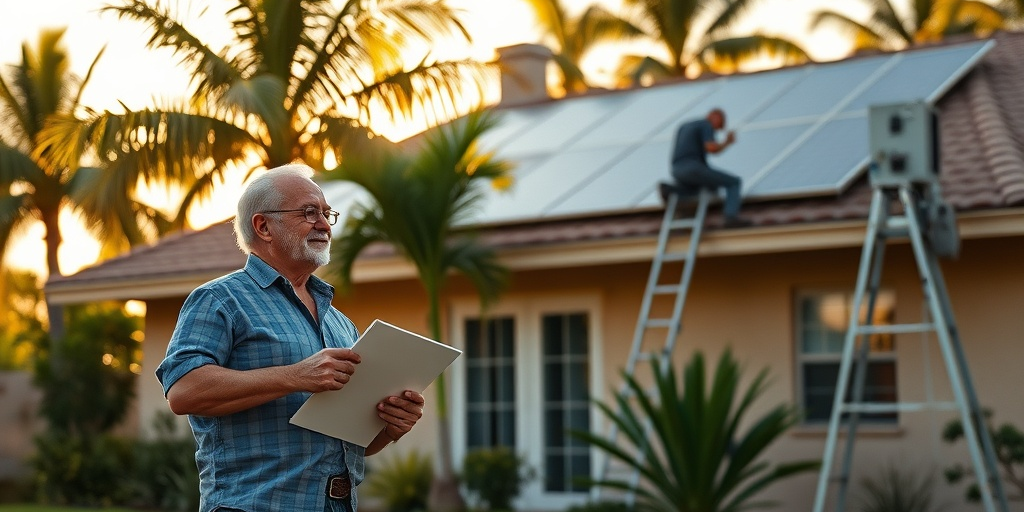
Imagine a sunny day in Florida when you first learned about the incredible savings and benefits of going solar. With energy costs steadily rising—up to 20% compared to the national average—it’s no wonder homeowners are eager to invest in solar energy (Energy.gov). However, as the solar market expands dramatically, so do the risks of falling prey to scams. Enter our critical alert: Critical Alert: Don’t Fall for Common Solar Scams in Florida. With numerous scenarios where unsuspecting homeowners have been misled, it’s essential to stay informed and vigilant to protect your wallet and your home. Disturbingly, recent statistics reveal that Florida ranks among the top states for reported solar-related fraud, causing significant financial loss to many residents (SolarReviews.com). As we progress into 2025, with new solar incentives and grid instability on the horizon, understanding how to detect and avoid these scams is more important than ever.
This blog will arm you with knowledge to keep your hard-earned money safe, walking you through crucial aspects of solar scams while shedding light on the benefits of solar energy. Over the course of the article, we will delve into five key sections:
- An In-depth Look at Common Solar Scams
- Essential Checklist for Solar Buyers
- Myth-Busting Solar Misconceptions
- Local Insights for Florida Homeowners
- Next Steps to Ensuring a Secure Solar Experience
Stay with us as we uncover critical information, enabling you to make informed decisions on your solar journey!
An In-depth Look at Common Solar Scams
As the sun shines bright over the Sunshine State, it brings with it opportunities—and intentions—that are not always genuine. Consider the story of John and Sarah, a young couple who dreamed of reducing their electric bills and contributing to a cleaner environment by transitioning to solar power. Enthusiastically, they attended a local solar expo and were dazzled by the offers they received from several companies. One company in particular showcased an enticing deal, promising them outrageously low rates. They were lured by the sweet promise of almost zero upfront costs and instant savings. Unfortunately, they later discovered this was too good to be true. They fell into the trap of predatory sales tactics, hidden fees, and an installation quality that left much to be desired. Their experience, while unfortunate, is shared by many Floridians, emphasizing the need to be educated about the common scams that occupy this landscape.
When evaluating solar companies, it’s crucial to remain vigilant. Here are some red flags you should look out for:
- Unrealistic Promises: If a seller offers savings that seem too good to be true, they probably are. Legitimate solar installation companies will provide realistic estimates based on your energy needs and the current market.
- High-Pressure Sales Tactics: Scammers often rush customers into making decisions. Trustworthy companies will provide you with the information you need to make an informed choice and give you ample time to decide.
- Requests for Large Upfront Payments: While some initial payment may be required, be cautious if a company demands a substantial upfront sum. Many reputable solar providers offer flexible financing options and only require payment upon satisfactory installation.
- Unclear Contract Terms: Be wary of vague contracts with ambiguous terms. Always read the fine print, and ensure you fully comprehend the agreement before signing on the dotted line.
- Lack of Reviews or References: Genuine solar companies will have positive customer testimonials and reviews. Research online to read focused reviews (check platforms like SolarReviews.com) and ask the company for references.
In 2025, as Florida expands solar incentives, understanding the technical side of solar systems can also help you determine the authenticity of a company’s offer. For example, the quality and features of solar panels, inverters, and battery storage systems vary significantly. Research reputable manufacturers and understand how these technologies interlink with the efficiency and longevity of solar systems.
On this journey to solar self-sufficiency, knowing what questions to ask can be invaluable:
- What warranties are included with the panels and installation?
- How does the installation quality stack against industry standards?
- What do the reviews say about post-installation service and support?
With all these considerations, remember that navigating the solar landscape requires due diligence, but a well-informed consumer is less susceptible to shady practices.
Essential Checklist for Solar Buyers
Before making any decisions or signing contracts in the solar space, it’s crucial to complete a thorough evaluation process. Here’s a practical checklist to guarantee a smooth transition to solar energy while steering clear of scams:
- Step 1: Audit Your Electric Bill: Examine several months of utility bills to understand usage patterns. Use this information to compare if you’re being charged fairly.
- Step 2: Research Solar Companies: Utilize online resources to identify reputable companies with a history of positive customer interactions. Compare offerings and credentials.
- Step 3: Verify Certifications: Ensure solar providers hold certifications such as NABCEP (North American Board of Certified Energy Practitioners) and local licenses. This enhances credibility.
- Step 4: Ask Questions: Don’t hesitate to inquire about warranties, maintenance, system performance, and company track records. Authentic interactions are an indicator of reputable practices.
- Step 5: Review Contracts: Take time to evaluate all terms in the contract. If anything seems unclear or questionable, seek clarification and, if necessary, legal advice.
The importance of this checklist cannot be overstated—it allows you to safeguard your interests and ensure a smooth solar experience. For additional resources and support, you can visit floridaelectricandsolar.com for expert guidance on solar options available in Florida.
Myth-Busting Solar Misconceptions
As solar energy gains traction, myths and misconceptions surround the technology. These fallacies can mislead potential buyers and foster a sense of skepticism. Let’s debunk some of the most pervasive myths:
Myth #1: Solar Panels Don’t Work on Cloudy Days.
Contrary to popular belief, solar panels can still generate electricity on cloudy days, albeit at reduced capacity. In Florida, the frequent overcast conditions do not prevent solar energy from yielding results.
Myth #2: Solar is Too Expensive.
While the upfront cost of solar panels may seem intimidating, governmental incentives and financing options can make solar energy more accessible than ever, reducing net costs significantly (SEIA.org).
Myth #3: Solar Panels Damage Roofs.
Professionally installed solar panels, when installed properly, can actually enhance a roof’s durability and life. Quality installers take the time to ensure installations do not compromise your home’s structural integrity.
Myth #4: I Can’t Afford Solar Energy.
Energy savings often lead to reduced bills over time, making solar installations budget-friendly in the long run. Multiple financing options, including no-money-down plans, increase accessibility.
Myth #5: Solar Energy isn’t Environmentally Friendly.
Solar energy is not only renewable, but it also results in lower greenhouse gas emissions compared to fossil fuels, representing a clean alternative for sustainable living (Energy.gov).
Addressing these misconceptions is essential for empowering Florida homeowners in their decision-making process. Understanding the true benefits and functionality of solar energy can dispel negative notions and pave the way for informed investment.
Local Insights for Florida Homeowners
Florida is not just the Sunshine State; it is a promising hub for solar energy due to its ample sunlight and rich natural resources. In fact, Florida ranks third in the United States for total solar energy capacity, with over 4.5 gigawatts installed, providing the equivalent of powering over 800,000 homes (SEIA.org). However, this popularity also draws scammers looking to exploit unwitting homeowners.
To protect yourself, consider these local insights:
- The Florida Solar Rights Act protects homeowners’ rights to install solar energy systems, ensuring all local governments uphold your right to harness solar energy.
- The FCAA’s (Florida Clean Energy Act) offers incentives and rebates for energy efficiency measures, making solar systems even more financially attractive.
- Be aware of local licensing requirements; unlicensed installations can lead to troublesome issues when it comes to warranty claims and future services.
- Stay updated on local utility policies that can impact net metering credits and allow you to benefit financially from your solar system.
By keeping these insights in mind, Florida homeowners can confidently seek reputable solar services while enjoying the many advantages of transitioning to solar energy.
Next Steps for Florida Solar Buyers in 2025
Ready to embark on your solar journey? Here are the next actionable steps to take in order to ensure a rewarding solar investment:
- Step 1: Audit Your Electric Bill: Beyond simply noting usage, research rates and tariffs from your utility providers.
- Step 2: Investigate Local Solar Resources: Visit floridaelectricandsolar.com to explore solar incentives, financing options, and reputable installation services available in your area.
- Step 3: Schedule Consultations: Contact several companies for rate comparisons. An evaluation should include checks for necessary permits and planning for your solar installation.
- Step 4: Request Detailed Proposals: Review proposals, focusing on system quality, warranties, and maintenance offerings.
- Step 5: Make Your Decision: Once you feel confident with your research, choose a provider and begin your transition into solar energy.
With an increasing push toward renewable energy sources and financial incentives, now is the time to take that leap into the world of solar energy.
In conclusion, being well-informed about common scams and having a strong purchasing plan can safeguard your interests significantly. Remember, as Florida embraces these sustainable energy practices, it’s essential to look for legitimate pathways to ensure a hassle-free solar experience. A solar investment not only reduces electric bills but secures a cleaner future for generations to come.
Ready to start your solar journey in 2025? Connect with a certified expert at floridaelectricandsolar.com today.
Related Articles
More insights about Solar Scams

Warning: Don’t Overlook These Solar Scams to Avoid

Don’t Miss This Critical Alert About Solar Scams

Don’t Ignore These Critical Solar Scams to Avoid
Ready to Go Solar?
Have questions about solar energy? Our experts are here to help you make the switch to clean, renewable energy.