
Critical Solar Scams You Must Avoid Before Going Green
Share:
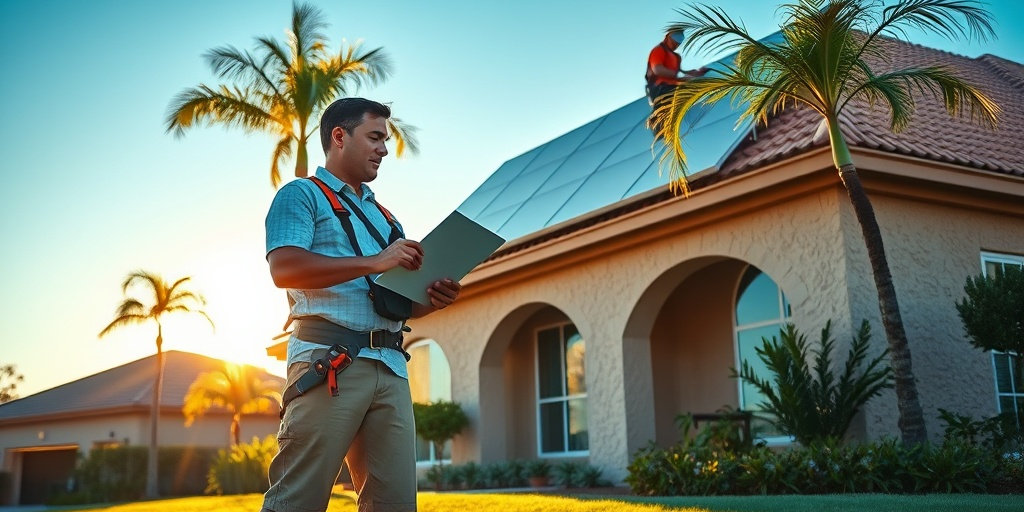
Are you aware that nearly 30% of Florida homeowners are projected to consider solar energy solutions in the coming years? With this exponential increase in interest, it’s more crucial than ever to understand the landscape of solar energy and the potential pitfalls many face on their journey towards sustainability. As solar technology evolves and becomes more accessible, so too does the rise of deceptive marketing practices aimed at exploiting unsuspecting consumers. This brings us to our topic, the Critical Solar Scams You Must Avoid Before Going Green. Did you know that, according to the Solar Energy Industries Association, misleading claims and tactics have affected consumers nationwide, driving up the cost of otherwise beneficial solar investments (SEIA.org)? Moreover, in Florida alone, the average household can save up to $1,500 a year on energy bills with the right solar installation—money that could be squandered if one falls for common scams (SolarReviews.com).
This discussion is vital as we head into 2025, where electric prices are expected to increase by 6% in the next two years, putting further pressure on budgets for families and commercial owners alike. Understanding common deceptive practices is essential to protect your investment and ensure your journey to solar energy is both fruitful and empowering. In this article, we will navigate through five crucial areas:
- Case Study: Real Florida Homeowner Experiences
- Checklist: Essential Steps to Avoid Scams
- Myth-Busting: Dispel Common Misconceptions
- Local Focus: Florida-Specific Insights
- Technical Deep-Dive: Understanding Equipment and Financing
Prepare yourself as we dive deep into the world of solar energy, ensuring you avoid the traps that can derail your green journey.
Understanding the Landscape: Real Florida Homeowner Experiences
Meet Tara, a Florida homeowner who made the decision to go solar in hopes of cutting her electric bills. Initially, she was thrilled by promises of saving money and contributing to a cleaner environment. However, her excitement quickly turned into anxiety when she faced aggressive sales pitches and misleading information from various companies. Tara’s experience serves as a classic case study showcasing the importance of vigilance in the solar energy market.
One of the first steps Tara took was to educate herself about the average costs associated with solar panel installations. According to a report from the Florida Public Service Commission, Florida residents experienced a significant drop in installation costs, making it a prime time to invest (FPSC.gov). However, many companies exploited this by promoting inflated prices for lower-quality products and overselling the potential savings. Here’s why this matters to you: understanding the market enables you to avoid falling prey to sales tactics designed to mislead.
To compound Tara’s issues, the promise of federal tax credits proved complicated. Although the Inflation Reduction Act had extended these perks, it also brought confusion, as companies presented information that was either incomplete or flat-out incorrect, leading her to question the validity of her investment. This kind of deception isn’t just frustrating; it can lead homeowners to miss crucial savings. To protect yourself, here is a checklist of actionable steps you should take before committing to a solar installation in Florida:
- Research Your Options: Investigate various solar companies, reading customer reviews and checking resources like the Better Business Bureau.
- Seek Multiple Quotes: Don’t settle for the first offer. Obtain at least three quotes to compare quality and pricing, which guards against overpriced services.
- Understand Contracts Fully: Before signing, ensure that all fees and terms are transparent and comprehensible. Misleading contractual jargon can mask core costs.
- Verify Licensing and Certification: Make sure that your chosen contractor is licensed and certified through reputable organizations to guarantee standards in installation and quality.
- Consult an Expert: Engage with an unbiased energy consultant before you make decisions. They can provide you with insights that protect your interests.
Unfortunately, myths abound, and critical untruths can undermine your decision-making process. Let’s take a minute to debunk some of the most common misconceptions surrounding solar energy and investments.
Myth-Busting: Dispel Common Misconceptions
Myth #1: Solar Panels Are Only Worth It in Sunny States. While Florida is indeed sun-drenched, what many don’t realize is that solar technology captures energy even on cloudy days. Studies reveal that panels can perform at a fraction of their potential even in less-than-ideal weather conditions (Energy.gov).
Myth #2: Solar Energy Will Make Your Property Unsellable. On the contrary, multiple reports suggest properties equipped with solar installations have a higher resale value. Homes with solar can sell 20% faster compared to those without, making it a savvy investment (Realtor.com).
Myth #3: All Solar Installations Are the Same. In reality, quality varies widely. Opting for cheaper installations often translates to subpar performance and ultimately higher costs in repairs or lost savings (SolarReviews.com).
Myth #4: You Can’t Save Money with Solar Panels. While some people do not see immediate savings, the long-term benefits often surpass initial costs. In Florida, homeowners save an average of $17,000 over 20 years through solar energy, making it a viable financial choice.
Myth #5: Solar Energy Doesn’t Impact the Environment Enough. With over 100 million metric tons of carbon dioxide emissions prevented by solar electricity generation alone in the U.S. in 2020, solar contributes significantly to environmental preservation (EnvironmentalProtectionAgency.gov).
Understanding these myths can arm you against misleading claims from unscrupulous salespeople. Next, let’s look into the specifics of what makes solar investments in Florida unique, so you can take advantage of local opportunities while avoiding scams.
Local Focus: Florida-Specific Insights
Florida is known for its solar-friendly policies, yet it’s essential to navigate the space wisely. As you consider your investment, keep these 2025-specific data points in mind:
- Net Metering Policies: Florida’s net metering allows homeowners to receive credit for excess energy generated by their solar systems, which can offset future utility bills. However, the rules vary by utility company, making it essential to understand your provider’s policies.
- Solar Incentives and Grants: In 2025, certain local-level grants may be available for solar installations, but they can vary significantly based on locality. Always research local incentives (DSIREUSA.org).
- Insurance Considerations: Ensure your insurance covers solar installation. In some cases, homeowners must prove their system’s value to retain coverage for damages.
Ensuring you understand your local policies and incentives is a major advantage. This level of knowledge is invaluable as you make your decision, providing both peace of mind and financial guidance.
Now, let’s dive into the technical side of solar energy systems, focusing on what you need to know about equipment and financing options to avoid scams.
Technical Deep-Dive: Understanding Equipment and Financing
So, what exactly goes into a solar energy installation? This section will help you grasp the essential components of solar panels, inverters, and battery systems, as well as the financing options available to you.
- Solar Panels: High-quality solar panels convert sunlight into electricity. Look for brands that offer extended warranties and solid performance ratings.
- Inverters: Solar energy systems need inverters to convert direct current (DC) electricity produced by panels into alternating current (AC) electricity used in homes. Choosing the right inverter can maximize efficiency.
- Batteries: Battery systems store excess energy for later use. Investing in high-capacity batteries can offer additional savings if your panels generate more power than you initially use.
- Financing Options: Many homeowners feel overwhelmed with financing choices, from cash purchases to solar loans and leases. Understanding these options’ terms is critical to ensuring you get the best deal possible (NREL.gov).
With so many options available, the potential for confusion creates ample opportunity for scams. It’s essential to start with a thorough understanding and seek advice from reputable sources.
Time to move to the actionable steps you can take to ensure that your solar buying journey is smooth, successful, and scam-free.
Next Steps for Florida Solar Buyers in 2025
As you prepare to invest in solar energy, here’s a detailed action plan designed to minimize potential pitfalls:
- Step 1: Audit Your Electric Bill: Understand your current energy usage and bills. Determine if going solar makes financial sense based on your monthly expenses, available credits, and incentives.
- Step 2: Research Reputable Companies: Utilize resources such as floridaelectricandsolar.com to browse reviews and compare quotes. Focus on companies with strong, customer-friendly reputations and transparent pricing.
- Step 3: Consult an Expert: Connect with solar energy consultants who can provide unbiased advice. They can help you understand the best systems suited to your needs and budget.
- Step 4: Review All Contracts Carefully: Before signing, double-check terms, fees, warranty details, and equipment specifications to avoid hidden costs.
- Step 5: Secure Financing Wisely: Analyze financing options meticulously, ensuring you understand interest rates, loan terms, and payment structure.
By following these steps, you set yourself up for a successful transition to solar energy—a journey that can lead to considerable savings and environmental benefits.
In conclusion, it’s vital to be vigilant and informed as you explore the solar energy landscape in Florida. The stakes are high, and understanding the common scams will empower you to seize the opportunity that solar energy provides.
In recap, as Florida homeowners head towards 2025, the increased pressure from rising energy costs and the availability of solar incentives underline the importance of an educated approach. Don’t let deception obscure the benefits of solar. Affirm your choices, consult trusted resources, and prepare to embark on a rewarding journey.
Ready to start your solar journey in 2025? Connect with a certified expert at floridaelectricandsolar.com today.
Related Articles
More insights about Solar Scams

Warning: Don’t Overlook These Solar Scams to Avoid

Don’t Miss This Critical Alert About Solar Scams

Don’t Ignore These Critical Solar Scams to Avoid
Ready to Go Solar?
Have questions about solar energy? Our experts are here to help you make the switch to clean, renewable energy.