
Critical Warning: Avoid These Common Solar Panel Installation Mistakes
Share:
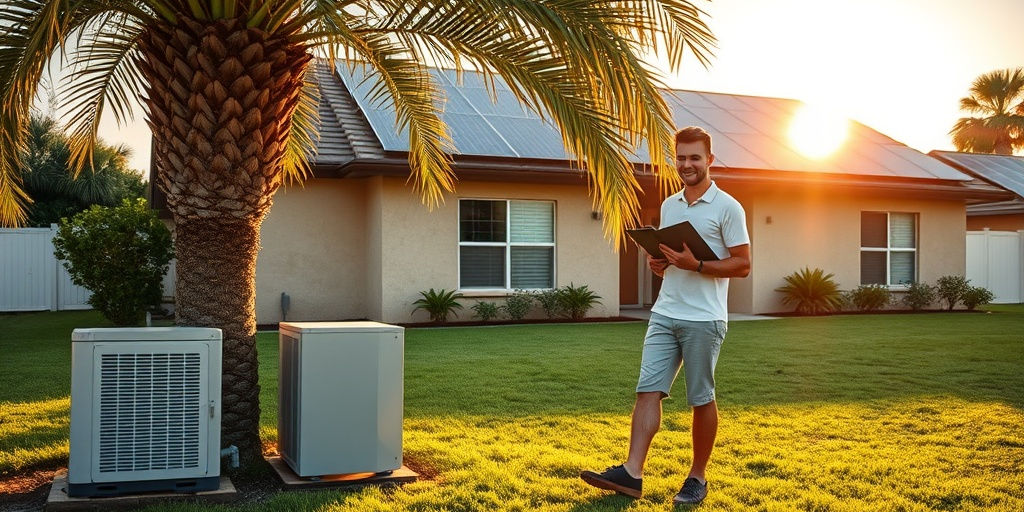
In 2025, homeowners in Florida might face an alarming reality: energy costs are expected to rise significantly, with some analysts predicting an increase of up to 25% over the next five years (Energy.gov). As the cost of traditional energy sources spirals, the urgency for homeowners to transition to renewable energy becomes more pronounced. However, amidst this push towards solar energy, a critical warning arises: many homeowners inadvertently stumble into costly traps during solar panel installation. The article entitled “Critical Warning: Avoid These Common Solar Panel Installation Mistakes” seeks to unveil these pitfalls, ensuring homeowners can protect their investments. A staggering 79% of homeowners express concerns regarding the reliability of solar panels (SEIA.org), underscoring the need for education on the subject. This post will guide you through five pivotal sections that detail common installation mistakes, provide actionable checklists, debunk related myths, highlight Florida-specific considerations, and probe into the technical aspects of solar energy systems.
Common Solar Installation Mistakes That Can Haunt You
Take the case of the Martin family from Orlando. They were excited to embrace solar energy, motivated by both a desire to cut electric bills and a growing urgency to push back against rising energy costs. Unfortunately, a combination of hasty decisions led to a less-than-ideal installation. Their panels, installed without adequate planning, ended up facing minor shading issues, drastically reducing their efficiency. To compound matters, they overlooked the importance of understanding their electric bill, leading to incorrect estimations of projected savings. According to the Solar Energy Industries Association (SEIA), over 50% of solar installations in Florida are affected by similar oversights.
Here’s a checklist of vital actions to avoid the mistakes encountered by the Martins:
- Understand Your Energy Usage: Before going solar, know how much energy you use monthly. This foundational knowledge will help determine the correct system size.
- Research Your Installer: Not all solar companies are created equal. Investigate your installer’s reputation, review their credentials, and ask for references.
- Evaluate Panel Placement: Ensure your installation site receives maximum sunlight by examining potential shade from trees or nearby structures.
- Secure Necessary Permits: Skipping permits can lead to illegal installations. Always check local regulations to avoid penalties.
- Negotiate Financing: Familiarize yourself with the financing options available in Florida, from tax credits to other incentives, to negotiate the best deal.
Despite the eagerness surrounding solar energy, myths abound, hindering progress. One common belief is that solar panels don’t work during cloudy days. In reality, photovoltaic cells convert sunlight into electricity regardless of cloud cover, albeit at reduced efficiency. By debunking these misconceptions, we can foster more informed decisions about solar adoption. In Florida specifically, where the sun shines brightly for an average of 237 days a year, these advantages are amplified.
Finally, let’s take a technical deep-dive into the performance fluctuations tied to solar energy systems. Battery storage plays a crucial role; systems that lack battery backup can miss out on energy savings during peak usage hours. Furthermore, the efficiency and type of solar panels chosen can drastically impact performance longevity and utility savings. Engage with reputable companies like floridaelectricandsolar.com to unlock expert insights regarding these elements.
Checklist for Successful Solar Panel Installation
Solar panel installation can be a complex endeavor, and even the most devoted enthusiasts may overlook essential components. Here’s a step-by-step checklist designed to ensure a smooth journey towards solar energy in 2025:
- Step 1: Audit Your Electric Bill – Begin by reviewing the last 12 months of your electric bills to understand your power consumption patterns and determine the size of the solar array you require.
- Step 2: Choose the Right Equipment – Partner with your installer to select the best solar panels and inverter type suited for your property’s needs, considering efficiency ratings and warranties.
- Step 3: Prepare for Installation – Ensure that your roof is structurally sound and ready for panel installation. Make necessary repairs if required.
- Step 4: Confirm Installation Details – Verify the details regarding installation day, and ensure that local permits are secured before work begins.
- Step 5: Post-Installation Review – After installation, conduct a walkthrough with your installer to understand how to monitor your system and optimize performance.
These steps lay the groundwork for an effective transition to solar energy. In Florida, where solar incentives can offset a significant portion of installation costs, you can maximize your savings through careful planning (SolarReviews.com).
5 Expert Solar Installation Tips for 2025
The journey to homeowners’ solar success begins with awareness and preparation. Here are five expert tips designed to help you avoid common pitfalls:
- Don’t Skimp on Panel Placement: Proper orientation and tilt are crucial for maximizing solar energy capture. Panels should ideally face south to capture the most sunlight, as Florida’s geography allows ample solar exposure throughout the year.
- Invest in Quality Equipment: Opt for Tier 1 solar panels from reputable manufacturers. While they may come with a higher upfront cost, the efficiency and longevity will pay dividends in the long run.
- Understand Financing Options: Familiarize yourself with federal tax credits, state incentives, and local rebate programs available to Florida homeowners. For example, the Federal Investment Tax Credit (ITC) allows you to deduct 26% of the cost of your solar panel installation from your federal taxes.
- Plan for Future Needs: When customizing your solar system, forecast potential increases in energy needs, especially if you plan to buy electric vehicles or expand your home (NREL.gov).
- Educate Yourself on System Maintenance: Regular maintenance can enhance the performance and lifespan of your system. Make a habit of cleaning panels and scheduling annual inspections.
By adhering to these tips, you can maximize your solar savings while ensuring a smooth installation experience.
A Fictional Florida Homeowner’s Solar Journey
Meet Sarah, a dedicated mother of three from St. Petersburg. Overwhelmed by escalating electric bills and motivated by a desire to protect both her budget and environment, she decided to take the plunge into solar energy. Initially excited, her journey wasn’t without its own hurdles. Her installer failed to inform her that tree limbs would cast shadows on her panels, which impacted her energy generation potential.
Realizing the cost implications, she sought solutions, researching alternatives that better served her needs. Through diligent learning, she discovered how to optimize her usage by incorporating battery storage systems and implementing a home energy audit to address leaks and inefficiencies. In just one year, Sarah not only saw a dramatic decrease in her monthly utility bills, but she also felt empowered through her environmentally conscious lifestyle.
Here’s a summary of key learnings from Sarah’s journey:
- Consult with different solar installers to gather informed and competitive quotes.
- Review and choose panel placement effectively, considering all variables that can influence sunlight exposure.
- Explore different financing and incentive programs to bear the costs of installation.
- Consider battery systems for enhanced energy independence.
With information and resilience, Sarah became not only a solar user but a role model for her community. Her story reverberates throughout Florida, as more and more households are poised to embrace solar energy in 2025.
Next Steps for Florida Solar Buyers in 2025
Congratulations! You’re one step closer to going solar. Here’s a straightforward action plan to help guide your journey:
- Step 1: Audit Your Electric Bill – Analyze your past bills to identify your average monthly usage and peak times, allowing you to calculate the appropriate solar system size.
- Step 2: Perform Research – Investigate various solar installers and their offerings. Look at reviews, references, and financing options available in Florida.
- Step 3: Engage in Detailed Consultations – Schedule consultations with your preferred companies to discuss designs, equipment, and site analysis.
- Step 4: Compare Quotes – Gather estimates from at least three different companies; compare services, warranties, and financial incentives offered.
- Step 5: Secure Financing – Understand financing options and choose the one that best suits your budget and long-term financial goals. Don’t forget about incentives available to Florida residents.
Following these steps will ensure a seamless transition to solar energy. Equip yourself with knowledge, and feel empowered to own your energy consumption!
In conclusion, the journey toward solar energy can be replete with opportunities and pitfalls. By adopting a strategic mindset through an understanding of the common mistakes and solutions, Florida homeowners can not only enhance their energy independence but also reclaim control over their energy costs. In a world where energy prices are projected to soar, the urgency to go solar has never been more critical. Protect your investment, educate yourself, and embrace the future of energy.
Ready to start your solar journey in 2025? Connect with a certified expert at floridaelectricandsolar.com today.
Related Articles
More insights about Solar Panel

Florida Homeowners: Why Solar Panel Maintenance Is Essential

7 Essential Steps for Solar Panel Installation Success

Expert Insights: Key Factors Influencing Solar Panel Lifespan
Ready to Go Solar?
Have questions about solar energy? Our experts are here to help you make the switch to clean, renewable energy.