
Debunking Myths About Solar Panel Installation Costs
Share:
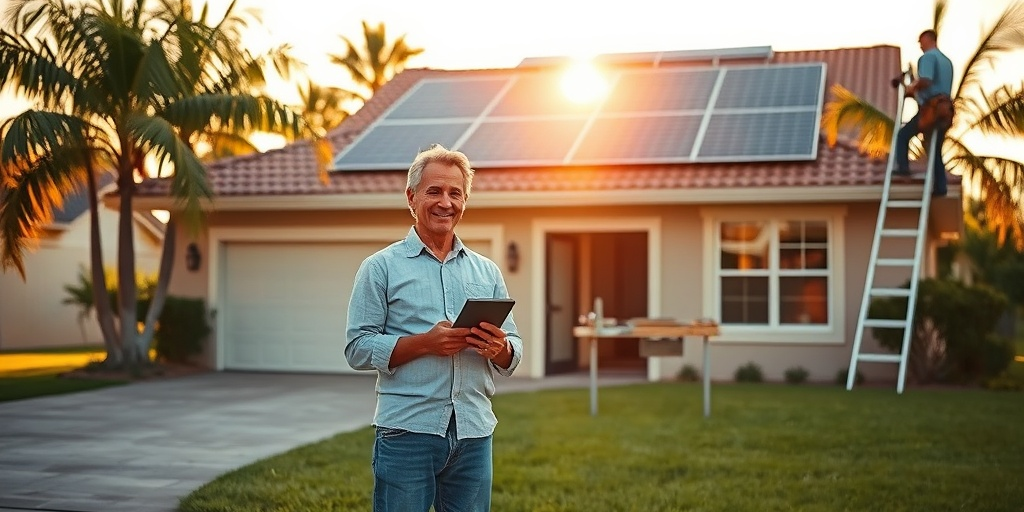
Imagine flipping your electric bill over to find it dramatically slashed by over 70%. In Florida, where homeowners battle with soaring energy costs, this reality is not merely a fantasy—it’s one of the powerful benefits of installing solar panels. Yet, despite this promising potential, a fog of misconceptions clouds the minds of many prospective solar users. This brings us to our essential topic today: Debunking Myths About Solar Panel Installation Costs. Did you know that, according to the Solar Energy Industries Association (SEIA), solar prices have dropped by more than 80% since 2010? Additionally, the average homeowner can save $20,000 to $30,000 over 20 years with solar energy (SEIA.org). Understanding the truth behind solar panel costs is crucial, especially as we step into 2025—a year projected to witness not only rising energy rates but also the sunniest benefits of available incentives for both homeowners and businesses interested in solar.
Throughout this article, we will embark on a journey to unveil the realities of solar panel installation costs. We will cover five key areas of focus: first, we’ll gain insights through a real-life case study that illustrates the financial impact of going solar. Next, we will provide a comprehensive checklist to guide you through the decision-making process. The third section will directly tackle widespread myths that often deter potential buyers. Following that, we’ll zoom in on Florida-specific data to provide context and relate to our local homeowners. Finally, we will conduct a technical deep dive into the essential components of solar systems and their financing options. With this foundational understanding, you will be well-equipped to navigate the solar landscape of 2025.
Real Stories, Real Savings: A Case Study in Solar Panel Installation Costs
Meet Jessica, a proud homeowner in Orlando who took the leap into solar energy last year. Frustrated with her monthly energy costs during a sweltering summer, Jessica researched potential solutions. She discovered not just significant savings but an avenue to support sustainable energy practices. As she dove deeper, she learned that her solar system installation would cost around $15,000 after available tax credits and incentives. With Florida’s net metering policy, she anticipated significantly reduced bills over time, particularly with her energy consumption spiking in the heat of summer.
Jessica engaged with a qualified solar company, and after consultations that involved assessing her roof angle, shading, and energy needs, she was ready to make an informed decision. This process was crucial, as the design phase greatly affects the system’s output and overall savings. Thanks to customer-friendly financing options, she also managed to install battery storage, which further mitigated her reliance on the grid—a concept many homeowners find too expensive or complicated. In total, she invested around $20,000, but net savings projections over 20 years calculated by her installer showed around $30,000 in savings, factoring in energy inflation and available rebates.
- Step 1: Get a Free Energy Audit. A professional will assess your energy needs, helping you determine your potential solar output.
- Step 2: Research Installer Credentials. Ensure they have the necessary licenses, insurance, and positive reviews.
- Step 3: Explore Financing Options. Consider available loans, leases, and power purchase agreements to minimize upfront costs.
- Step 4: Understand Warranty Terms. A comprehensive warranty can save you thousands in potential repairs later.
- Step 5: Review State Incentives. Florida offers various financial incentives for solar buyers—be sure to take full advantage of them.
This case study illustrates that while solar panel installation costs can initially seem daunting, when dissected, they reveal an opportunity for significant long-term savings. Moreover, with tools such as the U.S. Department of Energy’s Solar Calculator, potential users can estimate their real costs and savings based on their specific circumstances (Energy.gov). Reflecting on Jessica’s experience, it is easy to see how going solar can ease the financial burden and lead to sustainability while also adding value to your property.
Myth #1: Solar is Too Expensive for Most Homeowners
Myth #1: “Solar is too expensive for most homeowners.” This myth is rooted in the belief that a large upfront investment is necessary for solar panel systems. The reality is far different. Yes, the initial costs can be high—averaging between $15,000 and $30,000—but with state and federal tax credits, financing options like solar loans or leases, and net metering benefits, many Florida residents find that their overall costs are significantly lowered. In fact, studies show that homeowners who install solar can save an estimated $20,000 to $30,000 over 20 years (SEIA.org).
Myth #2: Solar Panels Require Constant Maintenance
Myth #2: “Solar panels require constant maintenance.” While it’s true that solar panels need a little attention, the maintenance is relatively minimal compared to other investments you may make in home upgrades. Regular cleaning and occasional inspections are generally sufficient. Additionally, most systems come with warranties that can cover any significant issues, and many monitoring systems alert you to any problems that may arise.
Myth #3: Solar Is Only Worth It in Sunny States
Myth #3: “Solar is only worth it in sunny states.” This misconception fails to consider that modern solar technology performs efficiently even in less-than-perfect sunlight conditions. While Florida does benefit from ample sunshine, states with less solar exposure still report positive output. In fact, solar panels can generate substantial electricity even on cloudy days.
Myth #4: You Need a Large Roof Area for Solar
Myth #4: “You need a large roof area for solar.” Homeowners often believe they require ample roof space to justify going solar, but advancements in technology mean that solar panels are more efficient than ever. Even small roofs can support compact systems that sufficiently cover household energy needs, especially when paired with energy-saving techniques to maximize efficiency.
Myth #5: All Solar Panels Are the Same
Myth #5: “All solar panels are the same.” This myth overlooks significant variations in panel technology, efficiency ratings, and warranty offerings among different manufacturers. Choosing quality panels can maximize electricity generation—and subsequently your long-term financial savings. It’s crucial to research various brands and provide your installers with specifics that meet your energy needs (SolarReviews.com).
Understanding Florida-Specific Options and Policies
It’s vital to recognize that not every state pushes the same solar policies, and Florida shines bright with options that can smooth the path toward solar energy adoption. The Florida Public Service Commission outlines several key programs for residential solar installations, including the Property Assessed Clean Energy (PACE) program, which offers financing based on your home’s equity. Additionally, Florida’s net meter regulations allow you to receive credits for surplus energy produced by your solar system. Understanding these options can greatly influence your decision to adopt solar energy.
As sunlight pours across the Sunshine State, it’s essential to know how to navigate the often-uncomplicated world of solar panel installation costs. The reality is that 2025 presents a unique opportunity for homeowners to lock in federal tax credits and rebates aimed at enhancing solar growth and development, followed by future savings on energy. Engaging with floridaelectricandsolar.com can help you make the most educated move regarding your solar investment.
Five Expert Solar Installation Tips for 2025
In a realm that can often seem complicated, these five expert tips can guide your journey to maximize your solar investment:
- Optimize Panel Placement: The position of solar panels can vastly affect efficiency. Ensure panels are positioned for maximum sunlight exposure.
- Invest in Quality Equipment: Don’t skimp on solar panels or inverters. Higher-grade technology often leads to higher performance and lifespan.
- Stay Updated on Incentives: Solar incentives are constantly evolving. Keep an eye on changing federal and state policies to take advantage of available benefits.
- Monitor System Performance: Regular monitoring allows you to keep tabs on system performance and alert you to any issues that may hinder energy production.
- Utilize Energy Efficiency Measures: Before installing solar, reducing energy consumption through efficiency measures can lessen the system size needed, thereby cutting costs.
With each tip, consider how closely it aligns with your specific setup. Implementing these practices can truly enhance your experience and savings as a solar energy user.
A Common Solar Journey: Vanessa’s Transition to Solar
Vanessa, another Florida homeowner, had long contemplated the idea of solar. Her journey began during an electricity rate hike that left her stressed. Upon investigating, she found out Florida had expanded incentive programs, which all but erased her initial fears about cost. She realized she could take advantage of the net metering system and additionally accumulate savings based on energy usage through the solar panels she installed.
- During her exploration, she sought advice from local solar companies and gathered multiple quotes to ensure she wasn’t being overcharged.
- Next, she turned to community forums and existing solar users in her neighborhood to substantiate the claims made by vendors.
- After making her final choice of a certified installer, Vanessa thoroughly read the contract, paying close attention to warranty and payment clauses.
- After installation, she noticed a marked decrease in her monthly bill, giving her the peace of mind she had hoped for.
This narrative drives home that transitioning to solar energy is not merely a financial decision; it’s also about joining a growing community that values sustainability. The experiences shared by real homeowners serve as a valuable testament to the system’s benefits, from savings to environmental stewardship.
Next Steps for Florida Solar Buyers in 2025
Now that you’re equipped with insight on debunking myths around solar installation costs, it’s time to take actionable steps towards your solar future. The following steps align your journey towards solar energy with informed decision-making:
- Step 1: Audit Your Electric Bill: Observe your electric consumption and past costs to determine the potential benefits of solar installation.
- Step 2: Evaluate Your Property: Identify shading, roof angle, and orientation to maximize system efficiency.
- Step 3: Research Local Installers: Search for well-reviewed and certified solar companies in your area to obtain quotes.
- Step 4: Understand Incentives: Familiarize yourself with federal and state incentives, including tax credits and rebates.
- Step 5: Finalize Your Purchase: Choose a financing method and design that works best for you, and carefully review all documents before signing.
Each step is designed to guide you smoothly to installing a solar energy system in Florida, maximizing your savings in the process.
Through this journey of understanding, debunking myths related to solar panel installation costs phasw discovered that the path to solar energy is more accessible than it appears. With increasing energy costs and available solar incentives in 2025, now is the optimal time to consider investing in solar energy for your home. You will not only save money, but also pave the way toward a sustainable future for your family and community.
Ready to start your solar journey in 2025? Connect with a certified expert at floridaelectricandsolar.com today.
Related Articles
More insights about Solar Panel

Florida Homeowners: Why Solar Panel Maintenance Is Essential

7 Essential Steps for Solar Panel Installation Success

Expert Insights: Key Factors Influencing Solar Panel Lifespan
Ready to Go Solar?
Have questions about solar energy? Our experts are here to help you make the switch to clean, renewable energy.