
Debunking Myths About Solar Panel Lifespan and Performance
Share:
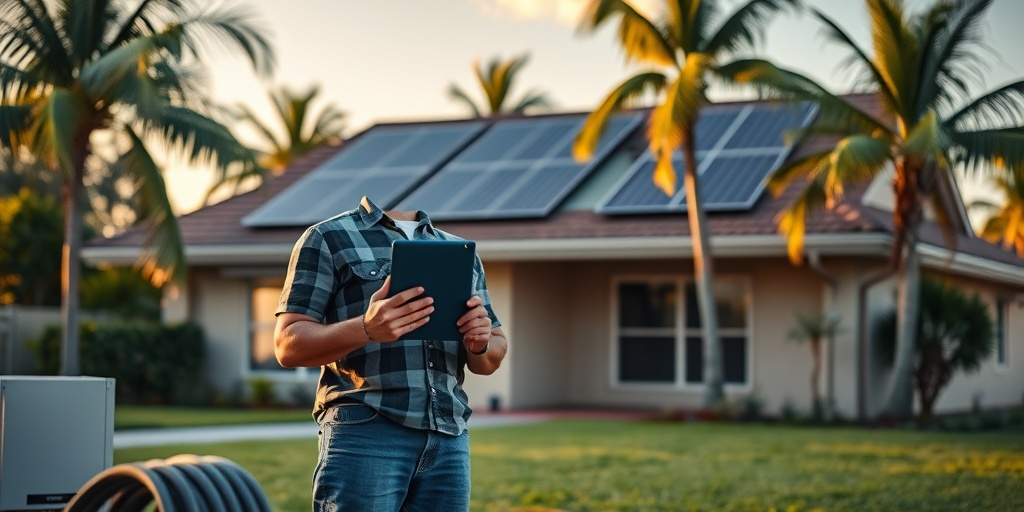
Picture this: it’s the blistering summer of 2025, and Florida homeowners are met with soaring energy costs. Amid this challenging scenario, many are drawn to a solution that seems both appealing and sustainable—solar energy. Yet, despite its promises, doubt lingers in the hearts of many regarding solar technology. In fact, a survey indicated that as much as 40% of potential solar adopters are skeptical about the longevity and performance of solar panels (SEIA.org). This brings us to our focus today: “Debunking Myths About Solar Panel Lifespan and Performance.” Equip yourself with genuine information as we traverse through common myths that can significantly impact how much you might save on your energy bills. Did you know that the average lifespan of solar panels extends well beyond 25 years, maintaining efficiency levels at around 80% at the end of this period? As we enter 2025, with energy prices climbing and innovative solar incentives on the rise, understanding the facts behind solar panel performance becomes critically important. In this article, we will explore five crucial sections: an in-depth myth-busting analysis, practical steps for validating solar choices, the technical dynamics of system components, an emotional narrative of a Florida homeowner’s transition to solar, and a practical action plan that aligns with trends in clean energy.
Unpacking Solar Panel Lifespan and Performance Myths
Many potential solar customers are lost in a haze of misinformation. Stunning statistics reveal that approximately 70% of people believe conventional myths surrounding solar panel lifespan (SolarReviews.com). When Florence, a homeowner in Orlando, decided to adopt solar energy, she was inundated with questions: “How long will the panels last? What if they break?” For every one of her queries, a myth seemed to stand between her and the truth. Today, we’ll unravel those myths, ensuring potential buyers can make an informed decision.
- Myth #1: Solar Panels Only Last 10-15 Years – A common misconception is that solar panels are short-lived. In reality, most solar panels come with a warranty lasting between 25 to 30 years, ensuring their operation for a significantly longer period (Energy.gov). Moreover, it’s important to note that most modern panels can last well over their warranty period due to advancements in technology.
- Myth #2: Solar Panels Lose Efficiency Too Soon – While it’s true that solar panels naturally lose efficiency over time, the rate of decline is much slower than belief suggests. Research shows that high-quality panels lose only about 0.5% of their efficiency each year, meaning they operate with around 80% efficiency even after 25 years (NREL.gov).
- Myth #3: Sunshine is Required for Solar Panels to Work – One might think that solar panels need full sun exposure to generate electricity. However, they can still produce energy on cloudy or rainy days, albeit at reduced efficiency (SolarReviews.com). This resilience plays a significant role in Florida, where weather can be unpredictable.
- Myth #4: Solar Panels Require Excessive Maintenance – Many prospective buyers worry about constant upkeep. The truth is, solar panels are incredibly durable and require minimal maintenance. Cleaning the panels a couple of times a year and ensuring no debris blocks sunlight exposure is often sufficient.
- Myth #5: Solar Panels Are Unaffordable – Initial costs can be daunting; however, solar systems in Florida can lead to significant savings in energy bills. With current tax credits and state incentives, homeowners can recoup their investment in just a few years (DSIREUSA.org). Additionally, financing options continue to be flexible, making solar accessible to more homeowners.
Through understanding the facts and debunking the myths, potential buyers gain the clarity they need to take the leap into solar energy. Knowing that solar technology is continually evolving can significantly enhance confidence in long-term energy savings and sustainability.
Solar Adoption Checklist for Florida Homeowners
Embarking on your solar journey can seem overwhelming, but breaking it down into manageable steps can provide clarity. Consider these elegantly structured items to ensure you’re well-prepared to maximize your solar savings:
- Step 1: Audit Your Energy Consumption – Review your energy bills over the past year. Understand your consumption patterns and peak usage times, which will guide system size and design.
- Step 2: Research Solar Providers – Look for reputable solar companies in Florida. Check online reviews, request quotes from multiple providers, and feel free to ask detailed questions about their services.
- Step 3:Understand Local Regulations – Research the permits and rules associated with solar installations in your area. Different counties may have unique requirements that could affect your project timeline.
- Step 4: Explore Financing Options – Take time to investigate state and federal incentives, tax credits, payment plans, and grants available for solar installation. This can significantly reduce your out-of-pocket costs.
- Step 5: Schedule an Installation Day – Once all research is complete and financing arranged, choose a suitable time for installation. Ensure you understand the process length and any preparatory requirements.
Following this checklist will enhance your confidence as you gear up for the solar transition. Done right, this methodical approach allows Florida homeowners to leverage both the financial and environmental advantages of solar energy.
Five Expert Tips for Optimal Solar Installation in 2025
Effective solar installation is an art and science that can directly influence the lifespan and performance of your system. Here are five tips from industry experts to ensure your solar setup is optimal:
- Choose the Right Location – Positioning your solar panels in a spot that receives maximum sunlight throughout the day is crucial. Avoid areas that could potentially block sunlight, like tall trees or buildings.
- Don’t Skimp on Quality – Invest in high-quality solar panels and inverters. Higher quality often leads to better performance, longevity, and more significant savings over time. Brands with established reputations generally provide more reliable products.
- Hire Certified Installers – Proper installation is key to performance. Make sure to hire certified installers who are experienced with local regulations and best practices. Many warranties are valid only if done by certified professionals.
- Consider a Battery Backup – A solar battery backup system allows homeowners to store energy generated during the day for use at night. This can provide additional savings and increase energy independence.
- Regular Maintenance Checks – Schedule regular checks of your solar system to ensure it runs optimally. This includes cleaning panels and checking for any shading issues, alongside monitoring performance metrics.
By adhering to these expert tips in 2025, Florida homeowners can maximize their solar investment and contribute positively towards a sustainable environment.
A Florida Homeowner’s Solar Journey: The Transitions of Alberto
In Varsity Lakes, Alberto’s story symbolizes the myriad transitions that many Floridians experience while adopting solar energy. Initially reticent, Alberto was influenced largely by sky-high electric bills during the sultry summers. After exhausting options to stay comfortable in his home while managing energy costs, he turned to solar. His re-shaped perspective began with the realization that solar panels could drastically cut his electricity bills.
After an extensive audit of his energy consumption, he transitioned to solar power, taking the time to understand local regulations, available incentives, and identifying trained installers. With these insights, Alberto proceeded with his installation. Much like the decision to purchase a new vehicle, he understood the necessity to look beyond the upfront cost and focus on total lifetime savings.
- Alberto learned that the solar panels installed would cover 80% of his energy needs, creating savings that allowed him to invest in his children’s education.
- The monthly savings from his utility bills allowed him to supplement family activities and trips, enhancing their quality of life—something he deeply valued.
- Sun-kissed afternoons quickly turned into memories of reduced power bills and feeling confident about his family’s choice of renewable energy.
- His upbeat resolution to go solar led him to become a community advocate, sharing insights about solar technology, myths, and benefits.
Alberto’s journey showcases the positive ripple effects of switching to solar energy. It reaffirms the long-term benefits that can result when Floridians choose to harness the power of the sun.
Next Steps for Florida Solar Buyers in 2025
Transitioning to solar should feel overwhelmingly positive and empowering. Here’s a clear action plan you can follow:
- Step 1: Determine Your Financial Readiness – Assess your budget and calculate potential savings. Utilize solar calculators provided by various solar sites, which can help you comprehend costs versus returns.
- Step 2: Conduct a Site Survey – Have a professional look at your property. This survey ensures that the installed panels will work optimally and offers insights into shading issues that may exist.
- Step 3: Get Multiple Quotes – Don’t settle for the first proposal. Getting multiple quotes allows you to understand the best options available, ultimately leading to better pricing and service.
- Step 4: Carefully Review your Contract – Before signing any agreements, read through your contracts thoroughly. Ensure you understand the pricing, warranty details, and terms of service, thereby protecting your investment.
- Step 5: Stay Informed About Changes – Keep an eye out for updates on local solar policies and incentives. The solar landscape is shifting fast, and new incentives can provide further savings.
With an action plan that demystifies the transition into solar energy and emphasizes important financial and practical steps, Florida homeowners should feel empowered to embark on their solar journey.
As we reflect on the myriad myths and realities surrounding solar panel longevity and performance, it’s essential to recognize that knowledge is the foundation of informed decision-making. By embracing truths over misconceptions, Florida homeowners can cut electric bills, safeguard their financial future, and participate in creating a sustainable world for future generations.
Ready to start your solar journey in 2025? Connect with a certified expert at floridaelectricandsolar.com today.
Related Articles
More insights about Solar Panel

Florida Homeowners: Why Solar Panel Maintenance Is Essential

7 Essential Steps for Solar Panel Installation Success

Expert Insights: Key Factors Influencing Solar Panel Lifespan
Ready to Go Solar?
Have questions about solar energy? Our experts are here to help you make the switch to clean, renewable energy.