
Debunking Myths About Solar Panel Maintenance Every Homeowner Should Know
Share:
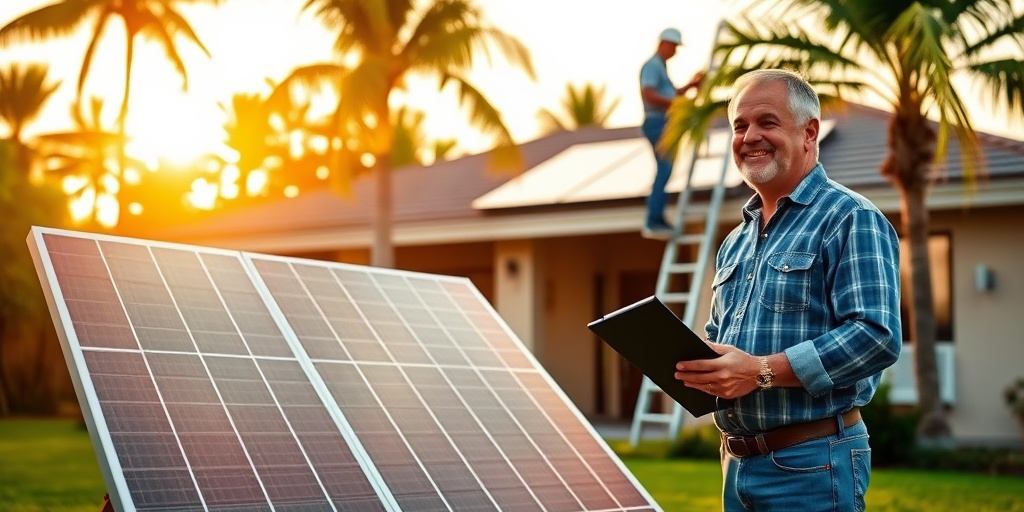
Imagine this: You’re a proud Florida homeowner, basking in the warm sunlight that pours into your backyard, and yet, every month, you’re shocked to see your electric bill climbing higher. As you ponder your options, the idea of solar energy glimmers like the sun itself—a way to cut costs, harness nature’s power, and finally own your energy. But wait, what about the maintenance? What about the myths you’ve heard about solar panel upkeep? In fact, according to the Solar Energy Industries Association (SEIA), installed solar capacity in Florida has reached over 4.7 million kilowatts, making it crucial for homeowners to understand the realities of maintenance as they transition to solar power (SEIA.org). When you think about solar panels, do thoughts of complicated upkeep prevent you from pulling the trigger on this sustainable choice?
Welcome to our comprehensive guide: “Debunking Myths About Solar Panel Maintenance Every Homeowner Should Know.” In this piece, we’re diving deep into the most common misconceptions surrounding solar panel maintenance, equipping you with the knowledge you need to feel confident in your energy choices. The urgency for solar power has never been greater; in 2025, we’ll face even higher energy costs and increased climate concerns that make adopting solar essential for both households and businesses. Ignoring these pressing issues could leave you behind financially.
Here’s what you can expect in the upcoming sections:
- An emotional case study featuring a Florida homeowner and their solar journey.
- A solid checklist to ensure solar panel maintenance is effective and effortless.
- A breakdown of damaging myths that confuse potential solar buyers.
- A localized focus on Florida’s environment and regulatory approaches to solar energy.
- A technical deep dive into solar technology essentials and how they impact maintenance.
As we move forward, let’s bust the myths and shine a light on the truths of solar panel maintenance.
Understanding Solar Panel Maintenance Myths: A Case Study
Meet Laura, a dedicated mother and homeowner living in sunny Sarasota, Florida. At first, Laura was skeptical about solar energy. With two kids in college and a myriad of ongoing expenses, she hesitated to explore something new. However, after realizing that solar panels could drastically reduce her energy bills, she decided to give it a shot. Little did she know, the myths surrounding maintenance would almost derail her decision.
Following the installation, Laura learns about the myth that solar panels are too high-maintenance, requiring constant attention and repairs. Overwhelmed by this prevalence of misinformation, she turned to floridaelectricandsolar.com for guidance. To her surprise, she learned that the average lifespan of solar panels is around 25 years with minimal maintenance. In fact, they can thrive in Florida’s climate, which offers ideal conditions for solar generation. Even more astonishing, studies have shown that engaging in regular maintenance only requires about 1% of your solar energy system’s initial cost per year—a small price to pay for peace of mind (SolarReviews.com).
With a newfound sense of understanding, Laura felt empowered. She implemented the following checklist:
- Step 1: Conduct routine inspections, looking for debris or blockages.
- Step 2: Clean panels with a gentle rinse during the rainy season.
- Step 3: Monitor performance via the inverter.
- Step 4: Engage professionals for in-depth checks every 3-5 years.
- Step 5: Document any service undertaken to maintain a maintenance log.
This proactive approach allowed Laura to enjoy smooth, efficient energy for her family without the burden of excessive worry. She realized that maintaining solar panels is less about constant vigilance and more about embracing the amazing technology that supports her lifestyle.
Unfortunately, Laura’s initial fears stemmed from extensive myths that plague many homeowners. For instance, Myth #1 suggests that solar panels are incredibly fragile. In reality, the majority of solar panels are designed to endure high winds and hail, which are common weather events in Florida. With rigorous testing, a high-quality solar panel can last for decades with very little impact from the elements (Energy.gov).
Additionally, Myth #2 states that solar panel installation is an arduous process. On the contrary, the process typically takes a few hours and can be completed quickly with the help of professionals—making it a relatively straightforward transition for homeowners. Many contractors in Florida offer competitive rates and quick installations, often working with local incentives to ease the financial pressure.
Next, we explore other critical myths surrounding solar panel maintenance that all Florida homeowners should recognize—ensuring that everyone, like Laura, can embrace the benefits of solar power.
Dismantling Solar Panel Maintenance Myths
In this section, we will break down the prevalent misconceptions that many potential solar adopters face during their journey to energy independence. Let’s establish clarity on these issues:
- Myth #1: Solar panels require constant cleaning. It’s a widespread belief that panels must be cleaned every day or week. However, while solar panels do require maintenance, rain typically provides sufficient cleaning, and manual cleaning only becomes necessary in rare cases where dust accumulates significantly, which is not typical in Florida’s tropical climate (NREL.gov).
- Myth #2: Solar systems get damaged easily. On the contrary, solar panels are engineered to withstand severe weather conditions. They use tempered glass and robust materials that have passed rigorous testing; in fact, many panels are certified to withstand heavy hail and winds that can reach up to 140 mph.
- Myth #3: DIY maintenance is always enough. While homeowners should certainly perform visual checks, professional inspections every few years are vital for ensuring optimal performance and identifying any potential issues before they escalate into costly repairs (SEIA.org).
This myth-busting approach isn’t just about clearing misconceptions; it also aligns with Florida’s commitment to sustainability. With solar energy contributing to about 17% of Florida’s energy output, the state remains at the forefront of solar adoption and innovation (SolarReviews.com). Understanding the realities versus myths encourages individuals to embrace this energy source completely.
Myth #4: Solar technologies are overly complicated. When solar technology first entered the mainstream, it felt daunting and inaccessible. Nowadays, a spectrum of companies and resources like Florida Electric & Solar provide simplified solutions that allow homeowners to integrate solar into their lives without difficulty. Programs and tools designed to streamline this process help homeowners maximize savings and optimize their systems.
Lastly, Myth #5: If one part of my solar system fails, my entire system is compromised. This is a critical point, especially when considering the integrated nature of solar technology. Modern solar setups are designed with redundancies, meaning that if one part of your system—like an inverter—requires attention, the rest of your system continues to function efficiently.
By debunking these myths, homeowners in Florida can feel empowered to make informed energy decisions that positively affect their finances and environmental footprint. Understanding maintenance ensures peace of mind, and ultimately, a more sustainable future.
5 Essential Solar Maintenance Best Practices for 2025
The journey towards adopting solar energy comes with its own set of responsibilities. While we’ve highlighted some myths that need debunking, it’s time to look at best practices for maintaining your solar system efficiently. Below are five essential tips for homeowners interested in maximizing their solar investments going forward.
- 1. Prioritize Regular Inspections. Engaging in a regular inspection schedule helps you stay informed about your system’s health. Aim to inspect your panels every six months. Look for solar panel soiling, shading from overhanging trees, or signs of wear.
- 2. Secure Professional Cleanings. Depending on your location, securing a professional cleaning service once or twice a year will ensure your panels are thoroughly cleaned, removing dust or pollen that may inhibit performance.
- 3. Optimize Your Inverter Performance. Your inverter is a crucial part of your solar system. Regularly check its performance indicator lights to catch any issues. Annual professional assessment ensures that your inverter is functioning correctly and efficiently.
- 4. Document Everything. Maintaining a detailed log of any maintenance or inspections provides a useful history of your solar system. This business-like approach can also be beneficial when considering future upgrades.
- 5. Communicate with Your Installer. Don’t hesitate to reach out to your installer for advice on maintenance services or upgrades, especially as regulations and technologies evolve. Their expertise can offer insights that keep your system running optimally.
Following these expert-backed guidelines will help ensure your solar panels operate efficiently and effectively through 2025 and beyond. If more detailed advice is needed, reach out to floridaelectricandsolar.com for specialized insights tailor-fit to Florida homeowners.
Narrative Insights: A Floridian’s Solar Experience
To illustrate the transformative power of solar energy further, let’s examine the fictional journey of Tom, a small business owner in Tampa. Tom operated a coffee shop that quickly became a hub for locals; however, his rising energy bills made sustainability feel unattainable. After doing some initial research, Tom was still left apprehensive due to horror stories he had heard about the maintenance associated with solar panels.
Despite his fears, he took the leap and installed a solar energy system on his shop roof. Inspired by the knowledge taught in workshops offered by local solar companies, he quickly recognized several realities about solar maintenance that would affirm his decision:
- Regular maintenance does not require extensive time commitments. Tom found that with just a few hands-on checks per season—combined with a professional inspection yearly—the process was manageable.
- The reliability of solar has increased significantly. Statistics from the National Renewable Energy Laboratory highlight improved efficiency rates in most new solar panel models. Tom’s energy output far exceeded initial expectations, making his investment notably worthwhile (NREL.gov).
- Financial incentives boosted operating profit. With tax credits and rebates available, Tom discovered that the savings from switching to solar meant almost immediate gains. Based on the SEIA report, Florida business owners can save up to 50% on initial costs due to state incentives (SEIA.org).
Eventually, Tom’s shop transformed into a shining example of sustainable living, drawing in environmentally-conscious customers and reducing the environmental footprint of his business. With his ongoing commitment to maintaining the solar panels while enjoying significantly lower bills, Tom exemplified how anyone could benefit from solar.
This narrative serves a dual purpose: it illustrates that potential solar installations are attainable, while also demonstrating effective maintenance practices vital to ensuring systems remain efficient. Tom’s story underscores the vital point that solar energy works for every type of Florida homeowner, whether residential or commercial.
Next Steps for Florida Solar Buyers in 2025
As we approach 2025, it’s essential to take concrete steps if you’re considering transitioning to solar energy. The following actionable steps will help streamline the process, making it smoother and more approachable.
- Step 1: Audit Your Electric Bill. Compare your past several bills to determine your average costs. Look for spikes in usage, which can inform how much energy you’ll need from your solar system.
- Step 2: Research Local Installers. Make a list of reputable solar companies, using online reviews and testimonials to gauge their reputation. Collect quotes to understand which provides the best value for your budget.
- Step 3: Understand Incentives. Familiarize yourself with any available financial incentives, both federal and state-specific, to maximize your savings. Resources like the DSIRE database can provide extensive lists of incentives available to Floridians.
- Step 4: Engage in Community Dialogue. Interact with local solar advocates or community members already utilizing solar energy. Participation in events or social media discussions can offer insights and additional support.
- Step 5: Prepare for Installation. Once you select an installer and finalize your system design, prepare your home by ensuring access pathways for installers and verifying that your roof can support solar panels.
As you embark on this journey, remember that knowledgeable partnerships with professionals can enhance your experience. For more resources, visit floridaelectricandsolar.com for specific guidelines tailored to Florida homeowners.
Embracing solar power is not just about financial rewards; it’s about forging a sustainable future that benefits everyone. With timely insights, accurate knowledge of maintenance, and actionable steps, Florida homeowners can confidently transition to utilizing solar energy for their homes or businesses.
In summary, you’re now equipped to separate fact from fiction regarding solar panel maintenance. The consequences of soaring energy costs and climate change loom larger than ever, necessitating immediate action—no longer can homeowners afford to hesitate due to myths and misconceptions. With clarity and confidence, it’s time to harness the unending power of the sun.
Ready to start your solar journey in 2025? Connect with a certified expert at floridaelectricandsolar.com today.
Related Articles
More insights about Solar Panel

Florida Homeowners: Why Solar Panel Maintenance Is Essential

7 Essential Steps for Solar Panel Installation Success

Expert Insights: Key Factors Influencing Solar Panel Lifespan
Ready to Go Solar?
Have questions about solar energy? Our experts are here to help you make the switch to clean, renewable energy.