
Debunking Myths About Solar Scams You Should Know
Share:
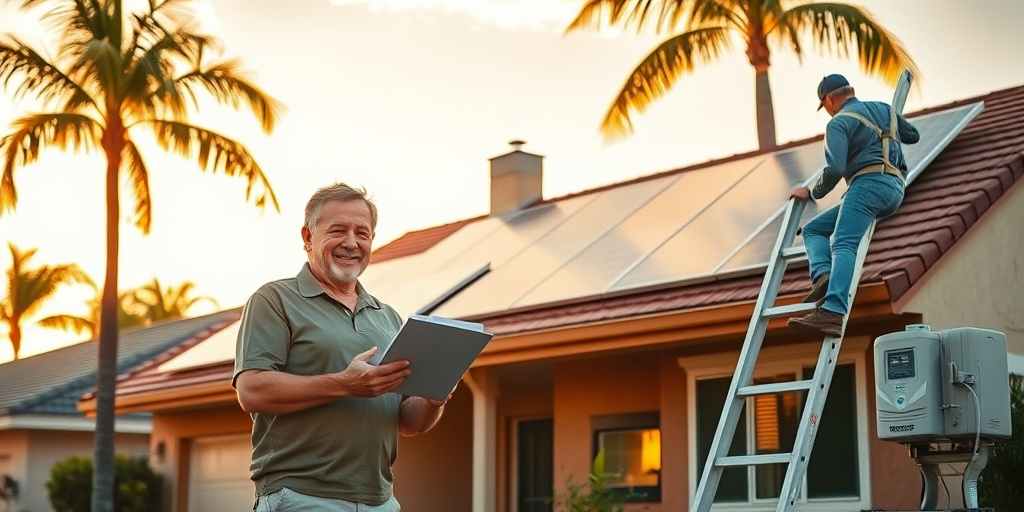
As Florida homeowners gear up for an ever-changing energy landscape, the decision to go solar isn’t solely about harnessing sunshine—it’s also about navigating a barrage of information and misinformation. Did you know that nearly 70% of homeowners express skepticism about solar energy due to concerns about scams and deceptive marketing? This statistic may sound alarming, but it reveals an urgent need for clarity as we head into 2025. With well over 118,000 homes in Florida already utilizing solar panels, the benefits of adopting solar energy are undeniable (SEIA.org). That’s why we present to you, “Debunking Myths About Solar Scams You Should Know.” In this comprehensive guide, we will separate fact from fiction, helping you make informed decisions about solar power and avoid costly mistakes. As energy costs continue to surge and new solar incentives become available, understanding the realities behind solar scams becomes essential for Florida homeowners and commercial property owners alike.
Over the next few sections, we will dissect common myths that cloud the minds of prospective solar adopters. We’ll explore real-life case studies, provide actionable checklists, clarify misconceived beliefs about solar technology and practices, and consider the local relevance of these discussion points. Equip yourself with the knowledge you need as we delve into these crucial topics!
Understanding Solar Scams: Myths vs. Facts
Imagine a young family in Miami—let’s call them the Garcia family—who are eager to transition to solar energy. They have done some research and begun getting quotes, but their enthusiasm is quickly dampened by a friend warning them about solar scams that have plagued the market. This information creates a wedge of doubt, making the Garcias hesitate in their solar journey, even though they could save thousands over time.
In this section, we’ll highlight the Garcia family’s experience, exploring the myth that all solar companies are scammers. This common misconception spreads fear and misinformation among homeowners, but like with any industry, there are reputable providers, such as Florida Electric & Solar. Here are actionable ways the Garcias could have identified a trustworthy solar company:
- Research Customer Reviews: Online platforms like SolarReviews.com and Yelp can shed light on customer experiences.
- Check for Licenses and Certifications: Confirm that the installer is properly licensed and has the necessary certifications to operate in Florida.
- Ask for References: A reputable installer will have a list of satisfied customers willing to talk about their experiences.
- Compare Quotes: Don’t settle for the first proposal; obtaining multiple quotes helps gauge a company’s transparency.
- Understand the Contract: Always read contracts thoroughly; avoid any that feel ambiguous or contain hidden fees.
This provides the foundation for tackling another pervasive myth regarding solar scams. Myth #1: Every solar company is a scam. Unmasking this myth involves recognizing that the solar industry, like any other, contains a mix of reputable and disreputable players. According to the Solar Energy Industries Association (SEIA), the solar market is on an impressive growth trajectory, increasing by 167% over the past decade. This growth creates opportunities for less-than-reputable companies but also underscores the presence of solid businesses driven by genuine commitment to solar adoption and sustainability. The best approach is to become educated about what a reputable solar company looks like.
Myth #2: Solar panels are too expensive and won’t lead to savings. Contrary to popular belief, advancements in solar technology have significantly reduced costs. In fact, the cost of solar panels has dropped by 89% since 2000 (SEIA.org). Many Florida homeowners now benefit from federal and state incentives, effectively lowering initial costs. This means going solar can be a financially savvy decision—especially when one considers the long-term savings on electric bills.
Moreover, understanding the technical specifications of solar systems—like how solar panels convert sunlight into electricity and what inverters do to ensure optimal performance—can demystify the initial investment. This knowledge sets the stage for informed conversations with prospective solar providers.
As we explore more myths in this ongoing myth-buster series, remember: researching the legitimacy and trustworthiness of solar products and services is critical. Missed opportunities can result in missed savings, especially as the push for clean energy amplifies. We will now transition into exploring common misconceptions that lead many folks to shy away from solar.
The Most Common Misunderstandings About Solar Scams
Myth #3: Solar panels don’t work in Florida’s humid climate. Surprisingly, Florida is among the best places in the United States for solar energy production. The Sunshine State averages approximately 237 sunny days each year, equating to an annual energy output that surpasses many other regions (Energy.gov). If installed properly, solar panels can thrive in Florida’s humid weather. With appropriate maintenance, the efficiency of solar systems remains high, making this myth a blatant misinterpretation of how solar technology functions.
Next comes another misconception: Myth #4: Solar companies often hide costs in fine print. Homeowners are often wary of engaging solar providers, fearing that unexpected fees may arise after installation. The truth is: reputable companies prioritize transparency. By clearly outlining costs upfront and ensuring customers understand their pricing, they gain trust. Companies like Florida Electric & Solar excel in providing clear, comprehensive quotes, free of ambiguity. For peace of mind, ask prospective providers to clarify any fine print before signing.
Additionally, solar technology remains consistently evolving, leading us to Myth #5: All solar technology is overpriced or obsolete. Numerous advancements in solar panels and storage options have made them not only more efficient but also increasingly affordable. In fact, improvements in energy storage technology, such as lithium battery systems, are making it easier than ever for homeowners to maximize their solar energy usage and retain power during outages or low-sunlight periods. Engaging with a knowledgeable consultant can help demystify these advancements and offer clarity on their relevance.
Armed with that knowledge, the Garcia family could have confidently approached their solar journey. Recognizing the capabilities of established brands, understanding the economics, and having direct conversations with specialists empowers homeowners to sidestep scams and make informed choices that align with their energy goals.
5 Expert Solar Installation Tips for 2025
As we anticipate a vibrant solar market in Florida for 2025, expert guidance can position you ahead of the curve. Here are critical installation tips from seasoned professionals:
- Choose the Right Solar Provider: Research and select a reputable company known for quality service and satisfaction rates. Look at their certifications, project portfolio, and customer reviews.
- Get Familiar with Solar Technologies: Understand the different types of solar panels, inverters, and mounts that fit your needs. This familiarity allows you to ask informed questions during consultations.
- Evaluate Your Roof’s Condition: Be sure your roof is in good shape before installation. A poorly maintained roof can lead to issues down the line, costing you more money in the long run.
- Plan for Future Energy Needs: When calculating needed capacity, consider potential increases in energy consumption. Grow your system to accommodate future needs!
- Engage with your Local Community: Connect with local solar cooperatives or advocacy groups. Engaging with others who are opting for solar can provide you with valuable insights and tips.
These tips not only enhance your experience but also strategically position your solar system for performance and reliability. In addition, Florida homeowners should inquire about local solar rebate programs. Did you know that Florida offers a property tax exemption for solar installations? This incentive reduces the upfront costs for those going solar.
To create a lasting investment, understanding best practices during the installation phase elevates your solar experience. Now we can revisit the Garcias, taking a more detailed look into their solar journey and how such small shifts in knowledge can lead to substantial changes in mindset.
The Garcia Family’s Solar Journey: A Fictional Tale of Discovery
Embark on the journey with the Garcia family as they navigate the waters of choosing solar energy. After the initial hesitance caused by their friend’s warnings, they commenced a rigorously positive investigation into their options. Rather than succumb to misinformation, they embraced the possibilities before them.
The first step in their solar journey was inviting three solar companies for assessments. Among them was Florida Electric & Solar, a known leader in the state’s solar sector. The sales representative educated them on Florida’s net metering policies, explaining how they could sell excess power back to the grid. Feeling informed, the family found comfort in understanding how to maximize savings through solar energy.
Next, they evaluated financing options and learned about leasing versus purchasing solar panels. Understanding that outright purchasing yielded the most significant long-term savings and tax incentives, they decided to invest in a complete solar system. The family marveled at how laws applicable to Florida solar installations influenced their decision to go solar. For example, Florida’s Renewable Energy Sales Tax Exemption saved them considerably at the point of sale.
- Commit to Making Informed Decisions: The Garcias learned that they shouldn’t rush. They took the time needed to review terms and agreements.
- Engage Openly with Solar Providers: Conversations with multiple sales representatives helped them gain various perspectives on the technology and benefits.
- Leverage Community Resources: Finding online resources, community groups, and forums further assisted in their educative journey.
- Possess a Long-Term Vision: Transitioning to solar energy is not just a financial decision; it’s an investment in their future sustainability.
Looking back, the Garcia family realized how stepping away from fear and misinformation propelled them toward making an educated choice. By critically analyzing the available data and leveraging support from local utilities and solar champions, they successfully navigated their solar journey. With their first summer producing clean energy, and extra cash in their pockets, they felt intense satisfaction.
Next Steps for Florida Solar Buyers in 2025
As we approach 2025, the urgency for solar adoption grows more pronounced. Below is your actionable checklist—ensuring you remain informed and prepared to make meaningful decisions about solar energy:
- Auditing Your Electric Bill: Start by analyzing your current electricity usage to identify how much you consume and when. This provides a clearer picture of your potential savings with solar.
- Researching Local Incentives: Investigate comprehensive incentive programs available in Florida, including state tax credits and rebate opportunities.
- Comparing Solar Providers: Seek quotes from at least three reputable solar companies. Take the time to compare their offerings, warranties, financing options, and customer service.
- Engaging in Community Discussions: Join local solar advocacy groups or forums to network with others who are pursuing solar energy. Hearing first-hand experiences can provide valuable insights.
- Understanding the Technology: Familiarize yourself with the solar technologies in which you are interested, including solar panels, inverters, and batteries.
These steps go beyond mere inquiry; they lay the groundwork for an informed transition to solar. Together, these small shifts of knowledge help eliminate skepticism and enable homeowners to visualize a brighter, eco-friendly future.
As we wrap up this extensive discussion on debunking common myths surrounding solar scams, we hope you feel emboldened and ready to pursue a solar solution tailored to your lifestyle and budget. Remember that misinformation can deter even the most enthusiastic homeowner from transitioning.
The journey to energy independence is not merely a trend but an essential movement toward sustainability and self-sufficiency. Ready to start your solar journey in 2025? Connect with a certified expert at floridaelectricandsolar.com today.
Related Articles
More insights about Solar Scams

Warning: Don’t Overlook These Solar Scams to Avoid

Don’t Miss This Critical Alert About Solar Scams

Don’t Ignore These Critical Solar Scams to Avoid
Ready to Go Solar?
Have questions about solar energy? Our experts are here to help you make the switch to clean, renewable energy.