
A Deep Dive into Solar Panel Lifespan: What You Should Know
Share:
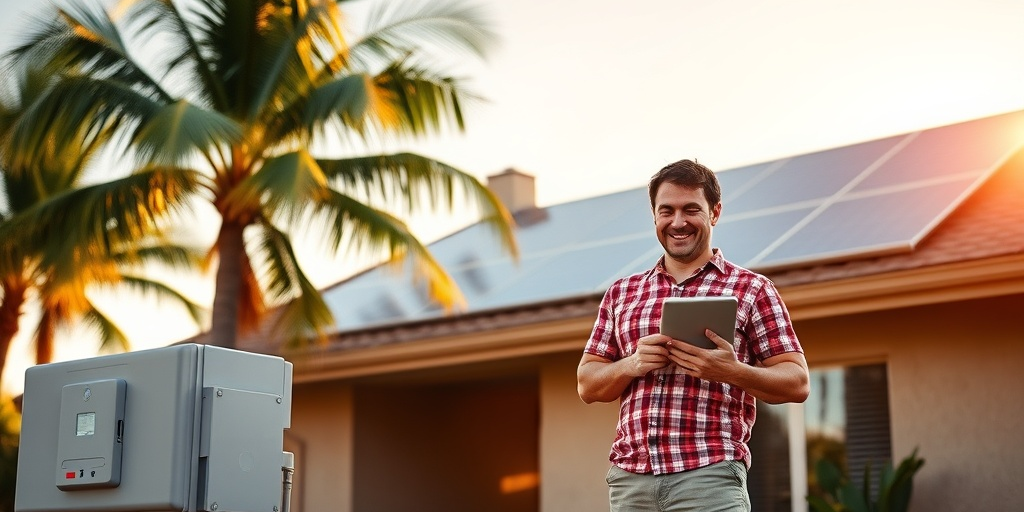
As the sun shines brightly over the Sunshine State, Florida homeowners and business owners are increasingly considering a powerful question: How long will my solar panels last, and what does that mean for my investment? This is the heart of our exploration in A Deep Dive into Solar Panel Lifespan: What You Should Know. A typical solar panel can last anywhere from 25 to 30 years, and many manufacturers offer warranties that reflect this durability (SolarReviews.com). Surprisingly, research shows that they can continue to operate at nearly 80% efficiency long after reaching their warranty periods (SEIA.org). With energy prices skyrocketing and increasing incentives for going solar in 2025, understanding solar panel lifespan and its impact on your investment has never been more crucial. Today, we will delve into five key sections that will guide you through this exciting solar journey:
- Section 1: Unpacking the Lifespan of Solar Panels
- Section 2: Key Factors Influencing Lifespan
- Section 3: Best Practices for Longevity
- Section 4: Real-World Impact of Solar Panel Longevity
- Section 5: Your Personalized Action Plan
By the end of this article, you will be equipped with the knowledge to make informed decisions about your solar energy system, positioning yourself for a sustainable and cost-effective energy future in 2025.
Unpacking the Lifespan of Solar Panels
When it comes to solar energy, many Florida homeowners approach the subject with both curiosity and skepticism. One enlightening case study involves the Ramirez family, who decided to install solar panels on their home in Orlando three years ago. After conducting extensive research, they settled on a high-efficiency model known to have a lifespan of over 25 years. Today, they are witnessing a significant reduction in their electricity bills, allowing them to save for college funds for their children. This is the transformative power of solar energy and longevity in action.
To fully appreciate the value of an investment in solar panels, let’s explore a checklist of important factors regarding their lifespan:
- Step 1: Select the Right Technology – With various solar technologies available, consider opting for monocrystalline panels. Known for their efficiency and longevity, they often last longer than their polycrystalline counterparts.
- Step 2: Understand Warranties – Most quality solar panels come with a performance warranty, usually spanning 25 years, ensuring that they will maintain a certain level of production during their lifespan.
- Step 3: Conduct Regular Maintenance – Florida’s weather can be unpredictable. Regular maintenance checks can extend the lifespan of your system and ensure optimal performance.
- Step 4: Be Informed About Local Climate – The Florida sun is relentless. Understanding how your specific climate will affect your solar panels is crucial for longevity.
- Step 5: Keep Up with Technological Advances – The solar technology landscape is continuously evolving. Staying informed about advancements can help you select options that offer the best durability and efficiency.
As we explore further, it’s essential to debunk common myths surrounding solar panel lifespan:
Myth #1: Solar panels degrade quickly. In reality, high-quality panels typically degrade at a rate of about 0.5% per year, which means they still operate efficiently for decades beyond their warranties (SEIA.org).
Myth #2: Panels are damaged easily. While it’s true that severe weather can impact panels, most are designed to withstand heavy winds and hail, making them a durable choice for Florida’s climate.
Myth #3: Older panels are always less efficient. Advances in technology mean that older panels, while less efficient than new models, still produce a significant amount of energy, ensuring they remain a valuable asset.
Florida’s climate plays a key role in the overall performance of solar panels. Due to its sunny disposition, Florida is ideally suited for solar energy. According to the Florida Solar Energy Center, the state receives an average of 237 sunny days per year, making solar an appealing option for homeowners looking to invest in renewable energy (FSEC.UF.edu).
In essence, understanding the lifespan of solar panels is fundamental for anyone contemplating an investment in solar energy. Feeling confident about your decision is key as we transition to the next section, where we will explore essential factors that influence the lifespan of these powerful systems.
Key Factors Influencing Lifespan
Understanding what influences the lifespan of solar panels is essential for homeowners wanting a long-term investment. There are several key factors to consider:
- Quality of Manufacturing: Panels manufactured by reputable companies undergo strict testing and adherence to industry standards, often resulting in longer lifespans.
- Type of Solar Panels: As mentioned earlier, monocrystalline panels tend to have a longer lifespan compared to polycrystalline or thin-film options.
- Environmental Impacts: Factors such as salt spray, humidity, and temperature variations can dramatically influence panel longevity, especially in coastal areas of Florida.
It’s also important to focus on technology changes. For instance, bifacial solar panels, which capture sunlight on both sides, are gaining traction and have the potential to provide greater efficiency and durability. An interesting finding from a recent report suggests that bifacial panels could outlast traditional single-face panels due to less thermal cycling stress (NREL.gov).
When evaluating specific products, look at their ratings. For instance, panels with higher efficiency ratings often translate to greater durability. You can also enhance the lifespan of your solar energy system by investing in high-quality inverters and batteries, which are crucial components when it comes to storing energy.
Furthermore, one should not overlook how solar panel installation impacts lifespan. Professional installation by certified technicians, like those provided by floridaelectricandsolar.com, ensures that your system adheres to best practices tailored to Florida’s unique weather conditions. For instance, proper tilt and orientation allow panels to effectively capture sunlight and avoid potential operational challenges caused by weather elements.
In conclusion, awareness of external factors affecting solar panel lifespan is paramount in ensuring that you maximize your investment’s returns. With that foundation established, we’re ready to shift gears and discuss best practices for extending the lifespan of your solar energy system.
Best Practices for Longevity
If you want your solar panels to perform effectively for as long as possible, you must implement best practices that prioritize maintenance and care. Solar energy is not just renewable; it’s also a smart investment when treated as one. Here are five essential tips to ensure you get the most out of your system:
- Regular Cleaning: Dust, dirt, and debris build-up can reduce efficiency. Cleaning panels a couple of times a year can significantly boost performance.
- Annual Inspections: Schedule yearly inspections with professionals who can check for wear and tear, ensuring everything is functioning optimally.
- Optimize Panel Placement: Rigorously evaluate the angle and positioning of your solar panels to ensure maximum exposure to sunlight throughout the day.
- Monitor Performance: Use solar monitoring systems to keep track of energy production, which will indicate if any issues are developing.
- Stay Informed About Weather Conditions: After severe weather events, it’s essential to have your system assessed for potential damage, particularly in areas prone to storms.
Taking these steps can greatly enhance your system’s longevity and efficacy. For example, a study has found that panels with regular maintenance sell for up to 15% more than those without proper upkeep (SolarReviews.com).
It’s vital also to acknowledge the evolving regulatory landscape surrounding solar energy in Florida. With new incentives emerging in 2025, investing in comprehensive maintenance packages may qualify homeowners for additional benefits and rebates. Local solar companies, such as floridaelectricandsolar.com, often offer packages that deliver ongoing support and maintenance, significantly prolonging the lifespan of your solar energy system.
Real-World Impact of Solar Panel Longevity
To appreciate the investment benefits of long-lasting solar panels, let’s take a closer look at an imagined homeowner’s journey in Florida—meet the Johnsons. Living in Tampa, they installed solar panels in 2020 and committed to maximizing their efficiency and coordinated maintenance from a certified solar provider.
Within the first five years, the Johnsons experienced a significant shift in their financial landscape. Their property value increased by about 10% as a direct result of the installed solar system—a trend being reinforced throughout the state as more homeowners opt for solar, according to recent data (DSIREUSA.org).
The solar panels, designed to last upwards of 30 years, began generating almost all the electricity their household required. Here are some key milestones in their solar journey:
- Year 1: Initial savings were 20% on their power bills, prompting them to consider electric vehicle purchases, further maximizing solar benefits.
- Year 3: The energy output indicated an impressive production rate. Offsetting nearly 90% of their annual power consumption, their utility bills were slashed dramatically.
- Year 5: After their first set of inspections, the Johnsons renewed their warranty and upgraded their inverter to a more efficient model, ensuring they remained ahead of new technology trends.
Long-term projections suggest that if all homeowners in Florida transitioned to solar, the cumulative energy savings could reach an incredible $4.2 billion by 2030 (SEIA.org). The Johnsons’ journey exemplifies how a well-maintained and strategically installed solar system can generate an ample return on investment while contributing to a more sustainable future for the Sunshine State.
Your Personalized Action Plan
As we wrap up this deep dive into solar panel lifespan, it’s time to transition from knowledge to action. Here is a streamlined checklist to help you maximize the benefits of your solar investment in 2025:
- Step 1: Conduct a Home Energy Audit – Understanding your energy consumption patterns will inform the size and type of solar system you need.
- Step 2: Research Providers – Look for reputable solar companies with solid experience in Florida and positive customer feedback. Local experts can help tailor solutions to your unique circumstances.
- Step 3: Explore Financing Options – Several financing options, including loans, leases, and PPAs, can make solar more accessible. Understand what fits your financial plan best.
- Step 4: Take Advantage of Incentives – Federal and state incentives can significantly lower your costs, making your solar journey even more feasible.
- Step 5: Schedule Your Installation – Partner with certified professionals to ensure that your system is installed correctly and operates efficiently.
Taking these actionable steps will give you a solid foundation for your solar journey. Moreover, considering local policies and incentives will help in maximizing your overall savings and energy independence. To explore more about solar installation and financial options tailored to you, visit floridaelectricandsolar.com.
As we reach the conclusion of our detailed exploration of solar panel lifespan and its significance, it’s vital to reflect on all that we’ve uncovered together, the urgency of making the transition to solar energy has never been more pressing. With rising energy costs, evolving technologies, and substantial state incentives coming in 2025, making an informed choice about solar energy can lead to sustainable savings for years to come.
Investing in solar does not just equate to financial benefit; it signifies a commitment to environmental stewardship. Your decision impacts not just your household but the wider community and environment as a whole. Embrace the empowerment that comes with controlling your energy future.
Ready to start your solar journey in 2025? Connect with a certified expert at floridaelectricandsolar.com today.
Related Articles
More insights about Solar Panel

Florida Homeowners: Why Solar Panel Maintenance Is Essential

7 Essential Steps for Solar Panel Installation Success

Expert Insights: Key Factors Influencing Solar Panel Lifespan
Ready to Go Solar?
Have questions about solar energy? Our experts are here to help you make the switch to clean, renewable energy.