
Deep Dive: Understanding Solar Panel Lifespan and Maintenance Needs
Share:
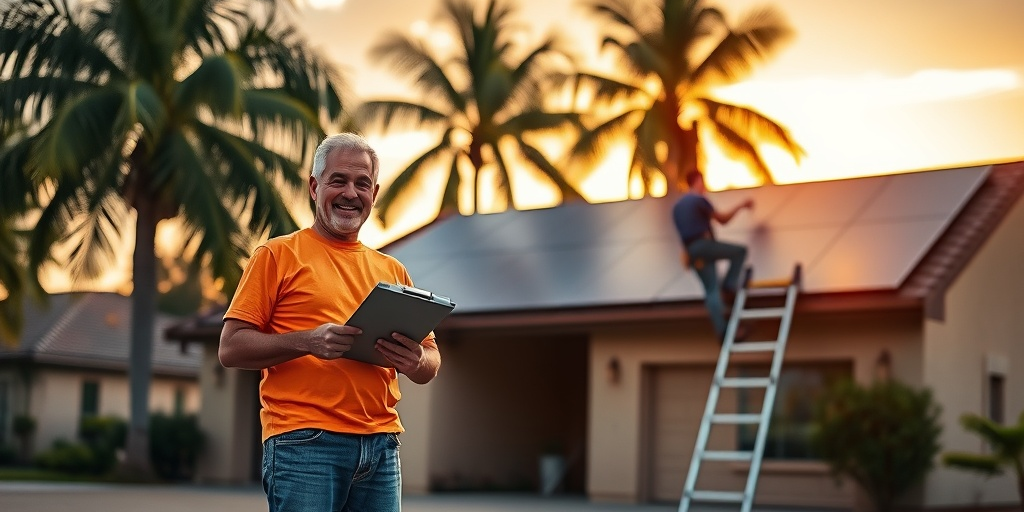
Imagine standing in your backyard, the warm Florida sun shining on your face, as your electric meter runs backward. Sounds dreamy, right? Well, it’s very much possible in 2025 as the solar industry continues to evolve, making clean energy not just a dream but a practical reality for many homeowners. In this guide, titled Deep Dive: Understanding Solar Panel Lifespan and Maintenance Needs, we will explore one of the hottest topics on every homeowner’s mind—how long do solar panels last, and what upkeep do they require? A recent study highlighted that over 60% of Florida homeowners are considering solar investments as energy prices soar (SolarReviews.com). On top of that, solar panels typically last between 25 to 30 years, but many homeowners are unaware of the nuances involved in their maintenance (Energy.gov). Navigating the solar landscape can feel overwhelming, especially with rising energy costs and changing incentives in 2025. This guide offers insights on the lifespan, maintenance needs, and myths surrounding solar panels, ensuring that you are well-equipped to optimize your investment. Here’s what we’ll cover:
- The Longevity of Solar Panels: Factors That Influence Lifespan
- Solar Panel Maintenance: A Comprehensive Checklist
- Debunking Common Myths About Solar Energy
- How Florida-Specific Conditions Affect Solar Efficiency
- Technical Deep Dive: Understanding Your Solar Investment
By the end of this journey, you will be empowered to make a knowledgeable decision about adopting solar technology, unraveling both its potential and pitfalls.
The Longevity of Solar Panels: Factors That Influence Lifespan
Understanding the lifespan of solar panels is crucial for any Florida homeowner. Many envision a scenario where they install solar panels today, and decades later, they continue reaping the benefits of lowered electric bills. But how realistic is that picture? Let’s delve into a case study of a Florida homeowner, Maria, who made the switch in 2020.
Maria was initially skeptical. The thought of investing thousands of dollars in solar energy left her uncertain. However, after researching, she learned that most solar panels come with warranties of 25 years, which provided her with some peace of mind. Fast-forward to 2025; her panels have not only functioned flawlessly but have also yielded significant savings on her electric bills. In fact, her panels are expected to produce energy efficiently for 30 years or more, thanks to the favorable Florida climate.
Here’s a checklist to help you understand factors that influence the lifespan of solar panels:
- Quality of Components: Always invest in high-quality panels and components. The better the materials, the longer the lifespan you can expect.
- Installation Quality: Adequate installation plays a critical role. Panels installed at optimal angles and locations will perform better and have longer lifespans.
- Weather Conditions: Florida’s sunny conditions are generally ideal for solar panels, but storm damage should be a consideration. Invest in robust protection systems.
- Regular Maintenance: Scheduled maintenance can prevent larger issues from arising, extending the lifespan of your solar investment.
Now let’s clear some misconceptions many hold regarding solar panels. One common myth is that all solar panels degrade quickly. In reality, most panels degrade by about 0.5% to 1% in efficiency per year (SEIA.org), resulting in approximately 80% efficiency even after 25 years.
As we’ve seen through Maria’s case, proper selection, installation, and maintenance practices greatly influence the longevity and efficacy of solar panels. If you are eager to maintain the highest performance level of your solar system, it is essential to be proactive now rather than reactive later. With Florida’s local solar incentives and favorable weather, this is the perfect time to maximize your investment.
Transitioning from the technical aspects of solar panel lifespan, let’s look into the actual maintenance needs and how you can keep your solar panels performing at full capacity for years to come.
Solar Panel Maintenance: A Comprehensive Checklist
Maintenance can make the difference between a solar system that performs optimally and one that does not. While solar panels require minimal upkeep compared to other home systems, there are specific strategies to keep them in top shape. Here’s a useful checklist for maintaining your solar energy system:
- Routine Inspections: Schedule inspections at least once a year to check for any visible damage or wear and tear.
- Keep Panels Clean: Dust, pollen, and debris can accumulate on the surface, reducing efficiency. Clean panels with water and a soft brush—or hire professionals if the panels are hard to reach.
- Monitor Performance: Utilize monitoring systems provided by your solar installer to check how well your system is performing. An unexpected drop may indicate the need for repairs.
- Check Electrical Connections: Loose wiring can drastically affect performance. Ensure any electrical components are checked regularly by a qualified electrician.
- Watch for Shade Growth: Trees and shrubs may grow and create shade over time, affecting performance. Trim back any nearby foliage to ensure your panels receive maximum sunlight.
In addition to these steps, consider Florida regulations. Under state guidelines, solar panel installations in many areas require minimal permitting for maintenance work, allowing greater freedom in upkeep decisions.
For additional insights tailored to your solar system, I advise contacting a local expert at floridaelectricandsolar.com. This way, you can stay compliant with local regulations and maximize your system’s effectiveness.
Armed with this maintenance checklist, you can extend the lifespan and performance of your solar investment, ensuring it pays dividends throughout its life.
Debunking Common Myths About Solar Energy
As you embark on your solar journey, it is critical to navigate through the minefield of myths and misconceptions surrounding solar energy. Lack of accurate information can lead to unnecessary hesitation. Here, we’ll set the record straight on some of the most persistent myths:
- Myth #1: Solar Panels Don’t Work in Cloudy Weather: While it’s true that solar panels are most efficient on sunny days, they can still produce energy during overcast weather—albeit at reduced efficiency. In Florida, sunny days are frequent, making solar a viable option.
- Myth #2: Solar Energy is Too Expensive: The initial cost can be high, but federal and state incentives significantly reduce that expense. Moreover, the long-term savings on energy bills often outweigh the upfront costs (DSIREUSA.org).
- Myth #3: Solar Panels Require Constant Maintenance: As we’ve discussed, solar systems require minimal maintenance compared to other home systems. Most owners just need to clean them occasionally.
- Myth #4: Your Home Needs to Face South: While south-facing roofs capture the most sunlight, east and west-facing roofs can still effectively utilize solar energy.
- Myth #5: Energy Storage is Not Worth It: With battery storage technology improving, having a storage system allows homeowners to store power generated during the day for use at night or during outages, increasing reliability (Energy.gov).
Think about the implications if you buy into these myths. Overcoming misinformation is key to making a well-informed decision. As a Florida homeowner, embracing solar energy could mean saving thousands of dollars over the lifespan of your system.
Now that we’ve successfully debunked these myths, let’s turn our sights to local factors that impact solar energy in Florida.
How Florida-Specific Conditions Affect Solar Efficiency
Florida is known as “The Sunshine State,” a moniker that reflects the potential for solar energy abundance. However, unique local conditions can affect the efficiency of solar panels. Here are some Florida-specific considerations to keep in mind:
- High Humidity: Florida’s humidity can affect solar panel performance over time. It can lead to moisture accumulation if not adequately addressed. Careful monitoring and maintenance become crucial.
- Hurricane Season: During hurricanes, solar panels must be designed to withstand strong winds to prevent damage. Invest in quality materials and ensure proper installation for durability.
- High Temperatures: Surprisingly, high temperatures can reduce solar panel efficiency. Proper ventilation solutions can mitigate this and help keep panels functioning efficiently.
- Incentives and Rebates: Florida offers various incentives that can offset initial costs, including the Federal Solar Investment Tax Credit (ITC) and local utility rebates. Research the current offerings in 2025 to maximize your investment.
Additionally, consider local regulations that may affect installation and maintenance. The state provides numerous guidelines that are crucial for Florida homeowners to understand, especially in 2025.
Now we’ve delved into how local conditions may impact your solar investment; let’s wrap up our journey with a comprehensive look at the technological side of solar systems.
Technical Deep Dive: Understanding Your Solar Investment
Knowledge is power, and understanding the technical aspects of your solar energy system helps you make informed decisions. As we explore below, there are critical components to consider:
- Solar Panels: Understanding the different types of panels, such as monocrystalline and polycrystalline, can influence your choice. Monocrystalline panels are more efficient but also more expensive, while polycrystalline panels offer a more budget-friendly option.
- Inverters: The inverter converts the direct current (DC) produced by solar panels into alternating current (AC) ready for use in your home. Key types include string, micro, and power optimizers. Choosing the right inverter will directly impact efficiency.
- Battery Storage: Installing a battery system allows homeowners to store energy for later use, be it for nights or outages. Evaluate whether a battery system is a necessary investment depending on your energy needs.
- Monitoring Systems: Most solar energy systems come equipped with monitoring capabilities that track performance metrics. These systems ensure you can detect any energy drops or technical issues early.
Understanding how these components work together to form your solar system enables you to monitor its performance effectively and take preemptive measures against potential issues. In 2025, the trend of smart homes will influence solar technologies. Features such as energy-efficient appliances and enhanced grid compatibility will become critical players.
Solar energy is more than just a trend; it’s a long-term investment that can lead to greater energy independence. With knowledge of the technology and reports revealing upwards of 28% growth in solar installation through 2025 (NREL.gov), the future looks brighter than ever.
Next Steps for Florida Solar Buyers in 2025
As we arrive at the conclusion of this informative journey, it’s essential to establish a solid action plan. Here’s a handy checklist to facilitate your transition to solar energy:
- Audit Your Electric Bill: Start by examining your monthly electric bills to identify how much you’d save by switching to solar power.
- Research Solar Installers: Investigate local Florida solar companies through reviews, services offered, and qualifications.
- Schedule a Consultation: Reach out to solar companies to schedule consultations and receive estimates tailored to your home’s needs.
- Consider Financing Options: Explore various financing opportunities that could make your solar panel purchase more affordable, including loans, leases, and PPAs.
- Check Available Incentives: Familiarize yourself with the various incentives, tax credits, and rebates specific to Florida that may be available in 2025 to reduce your investment cost.
Taking these actionable steps will put you on the path to harnessing solar power successfully. Don’t hesitate to reach out for expert guidance. For more personalized assistance and to discover how solar can work for you, visit floridaelectricandsolar.com.
By now, you’re equipped with the knowledge to make an educated decision regarding solar energy. The future is sunny, sustainable, and savings-driven—let it shine bright for you and your family!
As we conclude this comprehensive exploration into solar energy, let’s reflect: investing in solar is not just about savings today; it’s a commitment to a greener, more sustainable future. Don’t hesitate to take action—your home and wallet will thank you for it.
Ready to start your solar journey in 2025? Connect with a certified expert at floridaelectricandsolar.com today.
Related Articles
More insights about Solar Panel

Florida Homeowners: Why Solar Panel Maintenance Is Essential

7 Essential Steps for Solar Panel Installation Success

Expert Insights: Key Factors Influencing Solar Panel Lifespan
Ready to Go Solar?
Have questions about solar energy? Our experts are here to help you make the switch to clean, renewable energy.