
Diving Deep Into Solar Panel Installation Timelines for Florida Residents
Share:
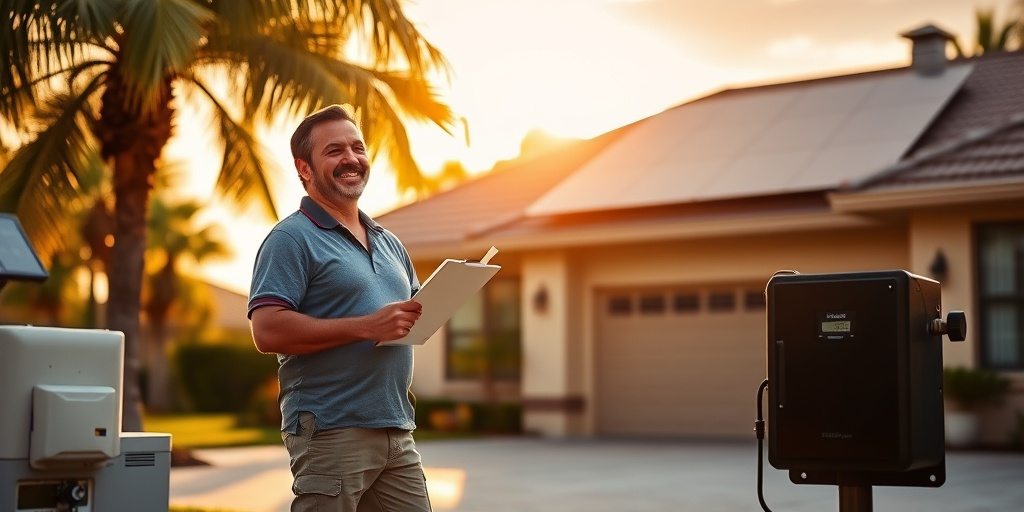
In today’s world, energy independence has transformed from a mere aspiration to a pressing necessity. Did you know that the average electricity prices in Florida have surged by over 41% in the past decade? This statistic underscores a growing urgency for homeowners to explore sustainable energy solutions. As we dive deeper into solar panel installation timelines in 2025, it’s imperative to keep in mind that Florida’s unique climate, coupled with its dynamic solar policies, sets the stage for an extensive shift towards solar adoption amongst residents. “Diving Deep Into Solar Panel Installation Timelines for Florida Residents” will carve a path through this crucial topic, shedding light on the pivotal factors that affect installation timelines and how Florida homeowners can optimize their solar journeys. In Florida, a staggering 90% of residents live under sunlight-rich conditions conducive to solar energy production, making it not just an option, but a necessity for those impacted by rising energy costs and environmental concerns (SEIA.org). Thus, understanding what to expect during the installation process can be the key to unlocking significant savings and energy independence. Throughout this article, we will cover five essential sections that will provide you with a comprehensive understanding of solar installation timelines. We’ll start with a case study that highlights a Florida homeowner’s journey, followed by an actionable checklist tailored for prospective solar buyers. We’ll debunk myths associated with solar energy, delve into local insights that affect installation timelines, and finish with a technical deep-dive on system components that impact your solar installation.
Unpacking the Solar Installation Process: A Florida Case Study
Meet Maria, a homeowner in sunny Tampa, Florida. After experiencing soaring energy bills and realizing the environmental impact of fossil fuels, she decided it was time to consider solar energy. Her journey began with extensive research on solar panel installation timelines specific to Florida residents, leading her to seek consultations with various solar companies. Within weeks, Maria opted for Florida Electric & Solar, a trusted brand recognized for its customer service and expert installations, as her installation partner. Her experience encapsulates the typical timeline for solar installation, which often unfolds in several key stages, each carrying its unique duration influenced by various factors.
The first step was an initial consultation, which Maria scheduled within days of her inquiry. During this meeting, the solar company technician evaluated her home, discussing energy needs and assessing roof conditions. This first stage typically lasts one to two hours and is crucial for establishing a foundation for the rest of the process. Maria learned that, aside from the apparent financial benefits, installing solar panels offers long-term energy stability—crucial in the face of rising power costs.
Once the initial consultation concluded, the proposal phase commenced. This stage, which can take anywhere from a week to ten business days, requires the solar company to customize a system based on the homeowner’s energy needs and budget. In Maria’s case, she received a comprehensive proposal detailing the system size, estimated energy savings, financing options, and a timeline for installation. Her excitement grew when she learned about the federal solar tax credit, which, as of 2025, continues to provide homeowners with a significant incentive up to 26% (Energy.gov).
The next period was dedicated to permitting and approvals, which, in Florida, usually takes about four to six weeks. Here, the solar company submitted the necessary documents to local government bodies for approval, ensuring adherence to building codes and safety regulations. Maria marveled at how this step, while time-consuming, is crucial for ensuring that her installation would meet all legal requirements. Florida’s stringent regulations do serve a purpose, ensuring that only high-quality systems are deployed across the state.
After obtaining permits, the installation day finally arrived. For Maria, this was the most exciting phase, where the actual work took place, transforming her home into a solar-powered haven. The installation team completed the setup in just one day. Once the panels were installed, the final inspection commenced, which took approximately one week, followed by the utility company’s interconnection process, wrapping up the entire installation timeline to about three months—an average timeframe for Florida homeowners.
Throughout her journey, Maria reflected on how critical it was to choose a reliable solar company and stay informed on the installation timeline. Her transformation into an empowered solar homeowner exemplifies that with the right initiatives, a sustainable energy future is within reach. In recap, potential solar buyers in Florida should prepare for an installation timeline ranging from two to three months, with various stages allowing for thoughtful decision-making and potential savings. As we look forward, our next section will provide a practical checklist that can help homeowners like Maria streamline their solar installation process.
A Step-by-Step Checklist for Solar Installation
Understanding the solar installation process is crucial for Florida homeowners. Here’s a straightforward checklist to guide you through the journey of adopting solar energy:
- Step 1: Evaluate Your Energy Needs – Analyze your current energy bills to understand your consumption patterns. This assessment will reveal how many solar panels you require to offset your electricity costs effectively.
- Step 2: Choose a Reliable Solar Installer – Research and select a reputable solar company. Look for experience, reviews, and certifications. Websites like floridaelectricandsolar.com provide valuable insights to help in your decision-making.
- Step 3: Schedule a Consultation – Set up a consultation with your chosen solar company. This meeting will allow the technicians to assess your roof and provide a customized proposal based on your energy needs.
- Step 4: Understand Financing Options – Explore financing choices available for solar systems. Look into federal tax credits and state incentives that can lower your investment costs (Energy.gov).
- Step 5: Finalize the Installation – Once approved, review the installation timeline and get ready for the solar panel setup. This is the moment when your home embraces renewable energy!
This checklist serves as a roadmap to ensure that you cover all bases as you transition into solar energy. Homeowners in Florida must be prepared for each stage outlined to maximize the efficiency and potential savings from their solar investment. Now, as we progress, let’s confront some persistent myths that may create hesitance for potential solar adopters.
Myth-Busting Solar Misconceptions
In the realm of solar energy, several misconceptions continue to cloud the minds of Florida homeowners considering solar power. Here, we debunk some of the most common myths that can deter potential solar adopters:
Myth #1: Solar Panels Are Too Expensive
While the upfront costs of solar panel installations can seem daunting, it’s crucial to consider the long-term savings. Florida residents can save thousands on their energy bills over the system’s lifespan, especially with financing options and state incentives available!
Myth #2: Solar Power Only Works in Sunny Climates
Although Florida enjoys abundant sunshine, solar panels produce electricity even on overcast days. The technology continues to improve, allowing efficient energy capture in varying weather conditions, making it a viable energy source year-round.
Myth #3: Solar Panels Are Too Complicated
The advancements in solar technology have simplified the installation process. Homeowners can rely on experienced solar companies, such as Florida Electric & Solar, to handle the complexities of installation and compliance with local regulations—ease of access is a priority!
Myth #4: Solar Panels Damage Your Roof
When installed correctly, solar panels are designed to be an asset to your roof, enhancing its value and energy efficiency. Many studies show that with proper installation by skilled technicians, there is minimal risk to the integrity of your home’s structure.
Myth #5: Solar Is Not a Reliable Energy Source
With the inclusion of battery storage options, solar energy has become a reliable source regardless of grid connection. Homeowners can store excess energy generated during the day for use during outages, achieving a level of energy independence.
Debunking these myths is essential for Florida homeowners looking to make informed decisions about solar energy. Understanding the truths behind these misconceptions can empower residents to take the plunge toward sustainable living. As we shift our focus to Florida-specific data that can influence solar installation timelines, let’s delve into how the local landscape shapes the solar journey.
The Local Focus: Florida’s Solar Landscape
Florida stands out as a beacon of solar potential—boasting the second-largest solar market in the nation. With more than 3.5 million residential solar systems installed, it is clear that both homeowners and commercial property owners are embracing this energy shift (SolarReviews.com). However, understanding the nuances of the state’s solar landscape is pivotal in anticipating solar installation timelines.
Florida’s unique climate plays a significant role in solar energy production. The state enjoys over 237 sunny days each year, translating to approximately 300 days of effective sunlight exposure for solar panels, a critical factor for optimizing energy generation. It also plays a role in regulatory aspects; Florida has community solar programs and net metering laws that foster adoption. For instance, net metering allows homeowners to receive credits for the energy they contribute back to the grid, significantly boosting their return on investment.
Local incentives remain a key factor influencing installation timelines in Florida. For 2025, the state offers various incentives, including property tax exclusions for solar energy systems, which can motivate homeowners to adopt solar technology sooner. Additionally, the Federal Solar Investment Tax Credit (ITC) allows homeowners to deduct a sizable portion of their installation costs from federal taxes, reinforcing the urgency to install solar panels before the credit rate reduces in subsequent years.
The permitting process in Florida can vary from county to county, which leads to installation timeframes fluctuating. Generally, the duration from application to approval is shorter in urban areas compared to rural settings. Cities with more developed departments may provide permits much quicker, significantly influencing the overall solar timeline. It’s essential for homeowners to check with their local government’s permitting process well in advance to prepare adequately, avoiding delays that may disrupt the project timeline.
In summary, Florida’s rich solar landscape underscores the pressing need for homeowners to embrace renewable energy solutions. Taking advantage of local incentives is vital for optimizing installations. Our next section will guide you through expert tips for successful solar installations in 2025, enhancing your insights as you embark on your solar journey.
5 Expert Solar Installation Tips for 2025
If you are considering solar energy for your Florida residence, incorporating expert tips can streamline the process and help you maximize savings. Here are five essential tips for a successful installation:
- Don’t Skimp on Panel Quality – Invest in high-quality solar panels for longevity and efficiency. Reliable manufacturers provide warranties that last 25 years or more, ensuring you’re protected on your investment.
- Consider Battery Storage – Exploring battery storage options is crucial for increasing energy reliability. Storing excess energy generated can provide power during outages and off-peak hours, enhancing independence.
- Opt for Professional Installation – Partner with certified and experienced installers, such as Florida Electric & Solar, to ensure quality and compliance with local regulations. Proper installation is essential for system efficiency and security.
- Understand Your Local Regulations – Familiarize yourself with local solar policies, net metering rules, and permitting regulations. Staying informed can prevent unexpected delays that may affect your installation timeline.
- Monitor Your System Post-Installation – Regularly monitoring your solar energy production can help you identify issues and ensure the system is functioning optimally. Many services offer real-time monitoring, maximizing energy savings.
Implementing these expert tips can lead to a seamless installation process, ensuring you achieve the benefits of clean energy quickly and efficiently. Successful adoption of solar energy requires planning and expertise, but taking these steps puts you on the path to sustainability. As we transition to the upshot of real-life journeys taken by homeowners, let’s explore a fictional but realistic story centered on a Florida homeowner’s solar experience.
A Florida Homeowner’s Solar Energy Journey
Meet James, a fictional but relatable Floridian who recently transitioned to solar energy after facing skyrocketing power bills. Living in Orlando, James had always been aware of solar energy but was quite skeptical about how it worked and whether it was truly worth the investment—until last summer, when his electricity bill nearly tripled amid the oppressive heat.
- Decision-Making Phase – Haunted by costs, James finally decided to investigate solar energy. He found that solar panels could significantly reduce his energy bills. Initially overwhelmed by options, he took a step back to educate himself, reading through articles and watching informative videos about solar installations in Florida.
- Consultation with Experts – Upon reaching out to various solar companies, James was impressed by the detailed consultations provided by Florida Electric & Solar. They introduced James to the solar panel installation process, including the critical timelines involved, helping him present a clear understanding of what to expect.
- Installation Experience – After conducting his research, collecting highs and lows from previous customers, and finalizing a contract, James eagerly awaited installation day. The installation team took just one day, completing the setup efficiently while keeping debris and disturbance to a minimum—an aspect James appreciated greatly.
- Satisfaction Beyond Expectation – With his new solar panels in place, James was elated at the first signs of savings. His electricity bill dropped by over 70%, and he even earned credits through net metering for energy fed back towards the grid. This sense of energy independence was empowering, transforming him into an advocate for solar energy in his neighborhood.
James’s experience demonstrates a common narrative for many Florida homeowners. Through diligent research and informed decisions, transitioning to solar energy can ultimately lead to significant economic and environmental advantages. Now, armed with solid insights, let’s discuss actionable steps for potential solar buyers and what they should consider in the coming year.
Next Steps for Florida Solar Buyers in 2025
If you’re contemplating a solar energy system for your home, it’s essential to approach the process methodically. Here’s a helpful checklist to guide you along the way:
- Audit Your Electric Bill – Gather past utility bills to determine your average electricity consumption. This figure will play a significant role in estimating the size of your solar system and projected savings.
- Research Local Incentives – Understand the various tax incentives available to Floridians looking to adopt solar energy. The combination of state incentives and federal tax credits can substantially lower your installation costs.
- Evaluate Roof Potential – Assess your roof’s structure and sun exposure to determine if it’s conducive to solar panel installation. A south-facing roof that experiences minimal shade is ideal for maximizing energy production.
- Engage with Solar Companies – Reach out to reputable solar companies in Florida to receive consultations and proposals. Don’t hesitate to ask about their licensing and affiliations.
- Finalize Your Decision – Once you’ve gathered all relevant information and proposals, consider factors like pricing, warranties, and customer service before making your final selection.
By following these steps, Florida homeowners can reduce friction and enhance their solar installation journey, setting them on a path to energy independence. The excitement surrounding the transition to solar energy can lead to long-lasting benefits for you, your family, and your community. In conclusion, as we navigate the solar landscape in the coming years, remember the overwhelming advantages of investing in solar power—financial savings, environmental impacts, and energy independence.
Ultimately, the decision to go solar simplifies your energy reliance while enhancing your home’s value and livability. Embrace the change—because every day without solar energy is a day lost in saving money and empowering your future. Ready to start your solar journey in 2025? Connect with a certified expert at floridaelectricandsolar.com today.
Related Articles
More insights about Solar Panel

Florida Homeowners: Why Solar Panel Maintenance Is Essential

7 Essential Steps for Solar Panel Installation Success

Expert Insights: Key Factors Influencing Solar Panel Lifespan
Ready to Go Solar?
Have questions about solar energy? Our experts are here to help you make the switch to clean, renewable energy.