
Don’t Delay: Critical Mistakes in Solar Panel Installation
Share:
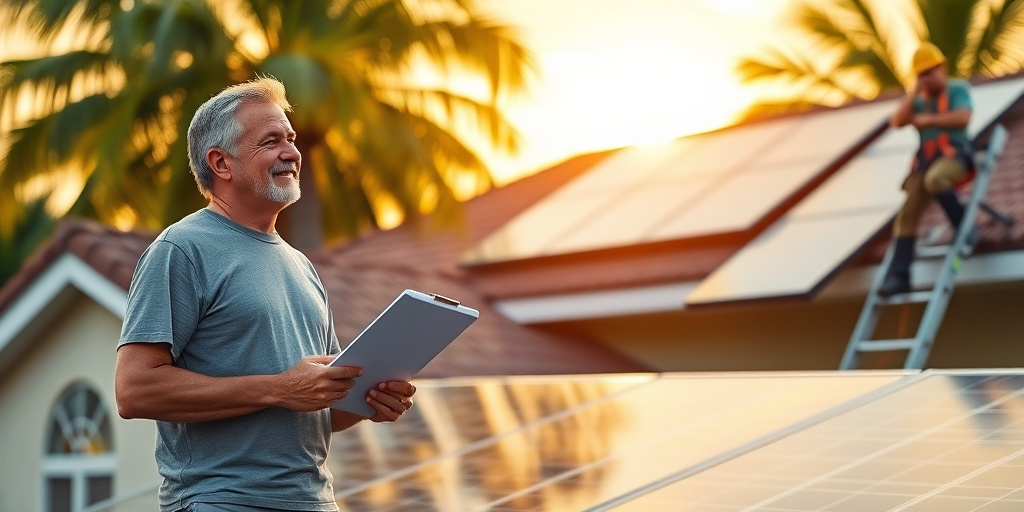
In a world where energy prices are soaring, environmental awareness is at an all-time high, and the urgency to find sustainable solutions is more pressing than ever, solar energy has emerged as a beacon of hope for Florida homeowners and commercial property owners alike. Did you know that Florida ranks second in the nation for solar capacity, with over 16,000 megawatts installed as of 2023? That’s enough to power nearly 3 million homes! Yet, despite the potential for significant savings and a cleaner environment, many still hesitate to embrace this transformative technology. Why is that? The answer lies in critical mistakes made during solar panel installation, mistakes that can end up costing you dearly. In our article titled “Don’t Delay: Critical Mistakes in Solar Panel Installation”, we delve into the crucial pitfalls to avoid, ensuring your solar transition is seamless and beneficial.
The growing incentives for solar installation in 2025 make this topic more urgent than ever. Recent surveys reveal that 68% of homeowners in Florida are considering solar due to substantial rebates and financing options set to expire soon (SEIA.org). However, if you rush into installation without proper knowledge, you risk falling prey to common traps that can hinder your solar experience. Our guide will illuminate the five most critical areas to be aware of, focusing specifically on how to safeguard your investment and maximize your solar savings:
- Understanding the installation process and avoiding common pitfalls
- Checking your installation contractor’s credentials and experience
- Debunking myths about solar energy and installation
- Exploring Florida-specific opportunities and regulations
- Encapsulating best practices to ensure a smooth solar journey
Let’s embark on this journey together, exploring how you can avoid these mistakes and achieve your solar energy ambitions smoothly.
Case Study: When Ignoring Installation Details Costs You
Imagine this: the Johnson family in Clearwater, Florida, was thrilled about finally going solar. After watching the bills rack up during the summer months, they decided to take advantage of the 30% federal tax credit and local rebates, looking forward to a system that would lessen their energy costs. They rushed into the installation process after picking the first contractor who gave them a quote. Unfortunately, they didn’t conduct any due diligence, and it backfired spectacularly.
After the installation, they noticed their energy savings were nowhere near what they were promised. Upon further inspection, they discovered several issues: poor panel placement resulting in shading, inadequate wiring, and a lack of battery backup. The contractor used cheap equipment and failed to monitor the system after installation, leading to underperformance and frustration. The Johnsons faced repair costs exceeding their initial investment.
This case is not an exception; it’s a reality that many Florida homeowners face when they fail to understand the installation process. To help avoid pitfalls like the Johnsons experienced, consider this checklist:
- Step 1: Conduct thorough research on solar companies. Look for reviews, compare quotes, and check their experience with installations in Florida.
- Step 2: Verify certifications and licenses. Ensuring your installer is certified by the North American Board of Certified Energy Practitioners (NABCEP) can save you future headaches.
- Step 3: Discuss the layout and orientation of your panels. Understanding how sunlight strikes your roof can make or break your system’s effectiveness.
- Step 4: Request a site assessment. A thorough roof and shade analysis should be your non-negotiable condition before installation.
- Step 5: Plan for future monitoring. Your contractor should provide you with a way to monitor your system’s output and ensure it delivers as promised.
As we move forward, it is essential to debunk some myths surrounding solar energy and installations. This will empower you with the knowledge needed to avoid critical mistakes that could derail your solar investments.
Myth-Busting Common Solar Installation Misconceptions
Despite the growing popularity of solar energy, many misconceptions persist that can lead potential installers to make poor decisions. Let’s clear the air and debunk some widespread myths.
- Myth #1: Solar panels are ineffective in cloudy weather.
Many believe that solar panels don’t work when it’s cloudy. In reality, solar panels can still produce energy even without direct sunlight, utilizing diffuse light. For example, Germany produces significant solar energy despite its cloudy climate (Energy.gov). - Myth #2: Solar energy is too expensive.
The upfront costs of installing solar systems have decreased significantly over the years, with the cost per watt dropping by more than 70% since 2010 (SolarReviews.com). Considering the available incentives today, 2025 is an optimal year to invest in solar. - Myth #3: You need to be completely off-grid to benefit from solar energy.
Many homeowners think that being off-grid is the only way to fully enjoy the benefits of solar energy. In reality, you can remain connected to the grid, allowing you to draw power when needed while still utilizing solar to offset your electrical expenses. - Myth #4: All solar systems are the same.
Solar technology varies greatly. Some panels are more efficient than others. When choosing a system, consider the efficiency ratings and warranty periods, which indicate long-term reliability. - Myth #5: The installation process is straightforward and doesn’t require planning.
The process requires detailed evaluations of your property, design of the system, and understanding your energy needs. Rushing this process can result in inadequate systems.
Now that we’ve clarified these common myths, let’s dive deeper into how Florida’s unique environment and regulations can further shape your solar journey.
Florida-Specific Focus on Solar Energy and Regulation
Florida is not just known for its beautiful beaches and sunny weather; it is also recognized for its unique position in the solar industry. Understanding local policies and incentives will empower you to make more informed decisions. For instance, Florida leads the nation in solar jobs, boasting over 30,000 people employed in the solar sector—this is a substantial indicator of the industry’s growth and viability (SEIA.org).
When considering solar installation in Florida, keep the following points in mind:
- Net Metering: Florida utility companies offer net metering, allowing homeowners to sell excess energy back to the grid, significantly recouping costs.
- Property Tax Exemption: Solar energy systems are exempt from property tax in Florida, preventing an increase in assessed value when you install solar.
- Federal Investment Tax Credit: Homeowners can take advantage of the federal tax credit, which can reduce overall costs by 30% for systems installed before December 31, 2025.
Additionally, navigating the local government incentives can help you figure out which rebates and credits you are eligible for. Florida’s clean energy policies are designed to promote solar adoption and provide financial support to homeowners. Therefore, partnering with a local company like floridaelectricandsolar.com can help you maneuver through the state’s incentives effectively.
With these insights into Florida’s landscape, the next step is understanding best practices to ensure a successful solar installation.
5 Best Practices for Solar Installation in 2025
As you plan your transition to solar energy, being aware of the best practices can save you money and aggravation down the line. Here are five expert tips that every Florida homeowner should keep in mind:
- Choose the Right Installer: Don’t skimp on quality. Vet potential installers diligently and check references. Look for companies with a solid reputation, local experience, and positive reviews.
- Maximize Panel Placement: Panel placement is critical for maximizing solar gain. Consult with experts on the best orientation and tilt to optimize energy production throughout the year.
- Consider Battery Storage: Look into battery storage options. With frequent storms in Florida, having a battery backup can provide peace of mind during outages and enhance your energy independence.
- Assess Your Roof’s Condition: Before installation, make sure your roof is in good condition. If your roof may require repair soon, it might be wise to address that prior to installing a solar system.
- Understand Your Energy Needs: Analyze your electricity bills for the past year to estimate your future energy needs. This analysis helps to design a system tailored to your specific situation.
By adhering to these best practices, you can more confidently approach the solar installation process, positioning yourself to enjoy the benefits of solar energy for years to come. But what happens once you’ve established your system? Let’s discuss the essential next steps for aspiring solar customers.
Next Steps for Florida Solar Buyers in 2025
Making the decision to go solar is an important first step, but it doesn’t stop there. Here’s a detailed action plan to navigate the transition effectively:
- Audit Your Electric Bill: Review your past bills to identify patterns and average energy usage. Understanding your consumption will inform your system size.
- Research Incentives and Financing: Make a comprehensive list of the incentives available in your area. Explore financing options such as solar loans or leases.
- Interview and Filter Installers: Speak to multiple contractors to compare installation plans and prices. Ask for detailed proposals to ensure transparency.
- Schedule a Site Assessment: Arrange for an assessment to evaluate your roof’s suitability and receive tailored recommendations.
- Prepare for Installation: Clear any obstructive foliage and ensure necessary electrical upgrades are completed before the installation day.
By following these action steps, you can reduce friction throughout the installation process and set yourself up for solar success. Plus, working with seasoned experts helps ensure quality of service and a smoother transition. Reach out to Florida Electric & Solar for guidance on these next steps and to ensure a seamless installation experience.
As we close our deep dive into solar installation pitfalls, it’s crucial to recap the importance of diligent planning.
Conclusion
In conclusion, investing in solar energy is one of the most impactful decisions for both your home and our planet. However, not understanding the potential pitfalls in solar panel installation can detract from your experience and investment. Throughout this guide, from the haunting story of the Johnsons to the myriad of best practices outlined, we’ve emphasized that the success of your solar journey lies in being well-informed and methodical.
The urgency to go solar in 2025 couldn’t be clearer with the increasing energy costs, available incentives, and local regulations designed to promote sustainable energy solutions. By avoiding the critical mistakes highlighted in “Don’t Delay: Critical Mistakes in Solar Panel Installation”, you can enjoy long-term savings, increased energy independence, and the satisfaction of adopting clean energy.
So, when you’re ready to embark on your solar energy journey, don’t hesitate to consult with the professionals who specialize in Florida’s solar landscape. Ready to start your solar journey in 2025? Connect with a certified expert at floridaelectricandsolar.com today.
Related Articles
More insights about Solar Panel

Florida Homeowners: Why Solar Panel Maintenance Is Essential

7 Essential Steps for Solar Panel Installation Success

Expert Insights: Key Factors Influencing Solar Panel Lifespan
Ready to Go Solar?
Have questions about solar energy? Our experts are here to help you make the switch to clean, renewable energy.