
Don’t Delay: The Critical Risks of Solar Panel Installation
Share:
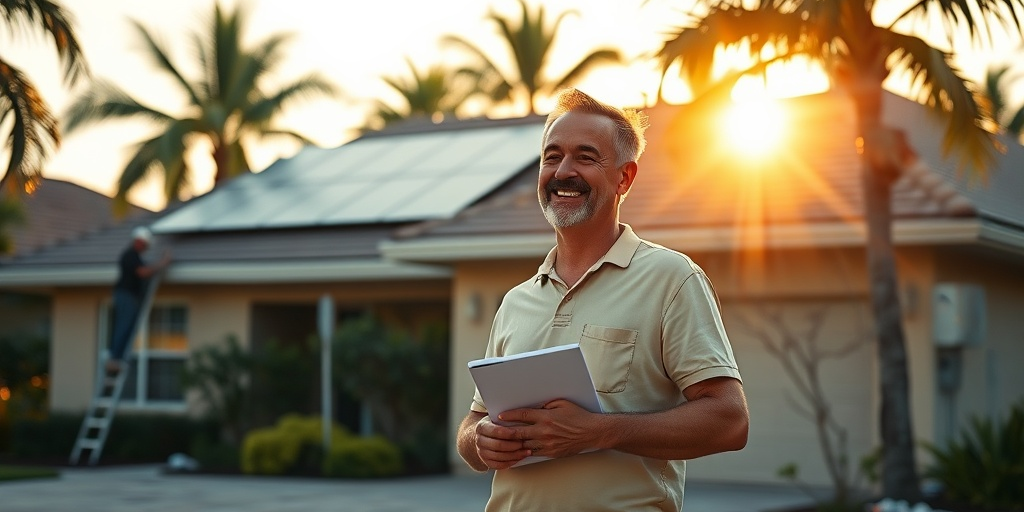
Imagine a future where your electricity bills are slashed in half, where clean energy powers your home, and where you take control of your energy destiny. This isn’t just a dream—it’s the reality many Florida homeowners are stepping into by investing in solar energy. But just as thrilling as the prospect of renewable energy is the sobering truth: solar panel installation carries critical risks that must not be ignored. In this article, titled Don’t Delay: The Critical Risks of Solar Panel Installation, we will uncover the hidden dangers that could derail your solar journey, from poor installation to unforeseen maintenance costs. In Florida, electricity rates have increased by over 5.5% since last year, and with the solar tax credits and incentives available in 2025, there has never been a better time to go solar (Energy.gov). However, rushing into this investment without proper knowledge can lead to serious financial setbacks (SEIA.org). This article will guide you through five essential sections: an angled deep dive into common risks, a practical checklist for safe installation, debunked myths surrounding solar power, best practices tailored for Florida residents, and a heartfelt narrative surrounding one homeowner’s journey.
Unpacking the Concealed Risks of Solar Panel Installation
The allure of solar energy is undeniable, yet many potential adopters overlook the critical risks associated with solar panel installation. Take, for instance, the case of the Johnson family from Tampa. Eager to reduce their utility costs, they rushed into a solar installation with a cheaper provider, enticed by lofty promises and minimal due diligence. Within months, they faced major technical issues, resulting in unexpected repair expenses and an energy savings that never materialized. Statistics show that improper installation can lead to a 30% decrease in projected energy output (SolarReviews.com). To ensure you don’t end up like the Johnsons, here’s a checklist of vital steps that will safeguard your investment:
- Step 1: Research Your Installer – Verify credentials and customer feedback.
- Step 2: Understand Local Regulations – Florida law mandates specific codes and permits.
- Step 3: Opt for Quality Components – Choose high-efficiency panels and reliable inverters.
- Step 4: Review Warranties Carefully – Understand what’s covered and for how long.
- Step 5: Schedule Regular Maintenance – Ensure a functional system year-round for optimal savings.
Despite these precautions, some myths still cloud the minds of prospective solar users. Myth #1: Many believe solar panels work poorly on cloudy days. While solar energy generation does decrease under cloud cover, it will still produce energy, helping you lower those energy bills regardless of weather conditions (NREL.gov). Myth #2: Another common misconception is that once installed, solar panels don’t require maintenance. In reality, regular check-ups ensure efficiency and longevity. Myth #3: There’s also a belief that solar panels can be installed in undesirable locations without repercussions. However, factors like shading from trees or buildings can significantly impact output (SEIA.org). Lastly, Myth #4: many Floridians think solar reflects and adds heat to their homes. Interestingly, solar panels work to increase energy efficiency, combating heat, not adding to it.
In the context of Florida, where the solar tax incentives are set to provide substantial financial relief, it is imperative to navigate these common pitfalls wisely. The advancements in solar technology also suggest that adopting solar power in Florida now can lead to savings of up to $30,000 over your system’s lifetime (SEIA.org). But before you leap, let’s conduct a deep dive into the technical aspects to clarify what you need to consider moving forward.
Technical Deep Dive: The Backbone of Solar Power Systems
Understanding how solar panels, inverters, and batteries work together is vital for Florida residents, especially when considering the critical risks of installation. Solar panels convert sunlight into electricity through photovoltaic cells made of silicon. This electricity is then channeled through an inverter, transforming it from DC (direct current) to AC (alternating current) energy, which is compatible with your home appliances. Battery systems offer additional smart energy storage, allowing excess energy to be saved for later use to maximize savings.
However, improper installation can lead to issues like electrical faults and system failures. According to the North American Board of Certified Energy Practitioners (NABCEP), installations must adhere to precise specifications, particularly when integrating batteries and inverters. In Florida, recent legislation encourages homeowners to comply with these local regulations to enhance safe deployments. Failure to meet these standards could risk eligibility for state incentives and result in unsolvable operational inconveniences.
A Clear Path: 5 Expert Solar Installation Tips for 2025
As you evaluate the journey ahead, let’s explore best practices for navigating the intricate landscape of solar installations in Florida. Here are five expert tips that will facilitate a seamless transition to solar power:
- Don’t Skimp on Panel Placement: Optimal panel placement should focus on maximizing sunlight exposure, avoiding shaded areas wherever possible. Consult with professionals to perform a site analysis.
- Invest in Quality Equipment: While lower-cost options may appear tempting, cheap solar panels are often less efficient, leading to significantly lower output in the long run.
- Choose a Qualified Installer: Look for certified professionals through organizations like NABCEP and analyze their track record thoroughly.
- Request Detailed Proposals: Ensure proposals outline equipment types, warranties, and installation timelines—surprises can be costly.
- Engage with Your Utility Company: Communicate with your energy provider about connections or net metering systems to avoid pitfalls on the technical side.
Florida homeowners can utilize state resources to facilitate this installation, making the process even more manageable. A comprehensive energy audit may also help pinpoint efficiency improvements to further reduce energy demands before installation.
A Solar Journey: The Story of the Martinez Family
Consider the Martinez family from Orlando. They spent two years researching solar energy options, comparing costs, and finally deciding to switch due to rising electricity bills and environmental concerns. The family completed a detailed audit of their property’s energy consumption, ensuring they invested in appropriate panel sizes and systems. They chose a reputable installer, documented all processes, and proactively maintained their system. As a result, after just two years, they reported over $15,000 in savings. Their proactive approach alleviated the potential critical risks associated with installation, such as financial losses or energy inefficiencies.
This inspiring story illustrates how preparation and thoughtful strategies can lead to fruitful outcomes. As the state continues to promote solar initiatives, Florida families stand to gain significantly from adopting solar technology. By integrating eco-friendly systems, they not only lessen energy costs but also contribute positively to the environment.
Next Steps for Florida Solar Buyers in 2025
For those ready to embark on their solar journey in 2025, the following actionable items should ease the process:
- Audit Your Electric Bill: Gather your recent bills to identify average usage and costs; understanding your consumption can inform your solar investment.
- Research Installation Companies: Look for well-reviewed solar installers dedicated to transparency and reliability. Don’t hesitate to reach out to previous customers for feedback.
- Consult with Experts: Reach out to qualified solar consultants to receive tailored advice for your unique circumstances. A consultation may reveal insights that can maximize your savings.
- Evaluate Financing Options: Explore loans, leases, and cash purchase options. Determine which align best with your financial goals to optimize your investment.
- Schedule Installation: Once you’ve selected your provider, schedule a time that works for you, and confirm all agreements regarding your solar system’s performance and warranties.
As you navigate these steps, remember: preparedness and knowledge are your greatest allies. For further information, visit floridaelectricandsolar.com to connect with professionals who can provide insights tailored to your needs.
Conclusion
In summary, while the transition to solar energy presents immense opportunities, it does not come without risks that must be carefully considered. Unforeseen costs, inadequate installations, and regulatory oversights can overshadow the benefits if pursued without due diligence. You’ve already learned about the importance of research, the discovery of insider myths, technical know-how, and actionable steps to optimize your solar journey. As the time to invest in clean energy approaches in 2025, consider the critical risks outlined and prepare strategically. Now is the moment to act decisively, ensuring you maximize both your savings and the environmental benefits that solar energy promises.
Ready to start your solar journey in 2025? Connect with a certified expert at floridaelectricandsolar.com today.
Related Articles
More insights about Solar Panel

Florida Homeowners: Why Solar Panel Maintenance Is Essential

7 Essential Steps for Solar Panel Installation Success

Expert Insights: Key Factors Influencing Solar Panel Lifespan
Ready to Go Solar?
Have questions about solar energy? Our experts are here to help you make the switch to clean, renewable energy.