
Don’t Delay: Critical Solar Panel Installation Mistakes to Avoid
Share:
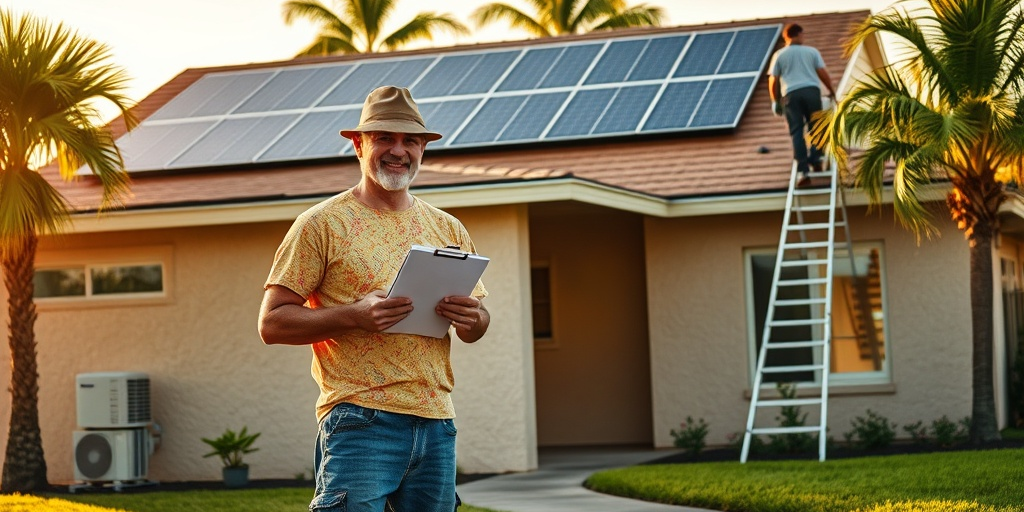
Imagine standing outside your home on a bright, clear day, the sun shining down as you envision a future where your electricity bills are significantly slashed, all thanks to the judicious move to solar energy. But like any monumental investment, transitioning to solar power is laden with potential pitfalls. Did you know that improper installation can lead to a staggering 30% loss in energy efficiency? In Florida, a state known for its abundant sunlight, this not only translates to wasted savings but also jeopardizes the longevity of your investment. Welcome to our guide: Don’t Delay: Critical Solar Panel Installation Mistakes to Avoid.
Statistics reveal that in 2022 alone, the solar energy market surged by an impressive 25%, and as we approach 2025, this trend is set to skyrocket further due to rising energy costs and favorable incentives for homeowners (SEIA.org). However, with great potential comes great responsibility. The allure of cheaper energy bills can lead homeowners to rushed decisions, often resulting in costly errors during installation. It’s essential to navigate this journey wisely.
This year, in 2025, Florida homeowners have a golden chance. The increasing need for energy independence, compounded by the unpredictability of state energy policies and potential cutbacks in incentives, makes it urgent to act now. In this guide, we’ll unveil the five critical mistakes you must avoid, ensuring that you enter the solar world equipped with the right knowledge. Expect insights on real-world scenarios, checklists for your installation, myth-busting advice, a local focus tailored for Floridians, and a technical deep dive into solar technology. Don’t let missteps ruin your solar investment—let’s get started!
Understanding Solar Panel Installation Pitfalls
As we dive into the critical mistakes that can mar your solar panel installation, let’s start with a poignant story of one Florida homeowner, Jacob. Living in Orlando, Jacob, overwhelmed by rising utility bills, decided to go solar. Pumped by enthusiasm, he hastily picked the first contractor available, neglecting research and due diligence. Fast forward a year, and his energy savings were a mere fraction of what was promised. This scenario is all too common and serves as a stark reminder that diligence is essential in the solar installation process.
Here are the fundamental missteps that can lead you to Jacob’s fate:
- Rushing the Research
Take your time before selecting a contractor. Look for local options, read reviews, and ask for references. Ensure your contractors are licensed, insured, and have extensive experience. - Ignoring Shade Impacts
Assess your property for shaded areas. Trees, buildings, or anything blocking sunlight can drastically reduce energy output. Installing panels without proper shading analysis can lead to significant energy loss. - Neglecting System Design
Opt for a well-engineered solar system that’s tailored to your specific needs. A cookie-cutter approach generally results in inefficiencies. Consult with experts on optimal sizes and configurations. - Overlooking Permits and Regulations
Ensure your contractor handles all necessary permits and complies with local regulations. Failure to do so could result in fines or difficulties if you decide to sell your property later. - Skipping Monitoring Systems
Post-installation monitoring is critical. Without it, you cannot effectively track system performance and catch inefficiencies early.
It’s vital to remember that Florida has its own unique considerations. With abundant sunshine, homeowners here can achieve impressive energy efficiency and savings; however, you must steer clear of hasty decisions. In a survey by Florida Solar Energy Industries Association, 42% of homeowners cited improper installation as their greatest concern—a testament to the importance of making informed choices (FSEIA.org).
To safeguard your investment, it’s essential to consider these actionable steps:
- Research multiple contractors thoroughly before making a selection.
- Schedule a solar assessment to analyze solar potential on your property.
- Review your system’s design plans with your contractor in detail.
- Verify that all permits are acquired prior to installation.
- Implement a monitoring system to track performance post-installation.
Arming yourself with this knowledge is your first step in navigating the complex landscape of solar power installation in Florida. But hold on; we have even more insights coming your way.
The Checklist for Solar Panel Installation Success
Launching your solar journey requires meticulous planning. To ensure you set up your solar system correctly, follow this comprehensive checklist. Each step represents a critical component that can influence the efficiency and effectiveness of your solar panels.
- Step 1: Audit Your Electric Bill
Start by reviewing your past bills. Understand your energy usage, peak times, and costs to determine the size of the system you need. It may help to consult with a solar advisor to decode your consumption. - Step 2: Evaluate the Optimal System Size
Your solar power system must be tailored for your energy demands. Depending on your circumstances, a larger system may yield significant long-term savings, so consider future growth potential, such as electric vehicle charging or potential home expansions. - Step 3: Choose the Right Contractor
Prioritize local contractors like floridaelectricandsolar.com who are familiar with Florida’s specific regulations and can provide valuable local insights. - Step 4: Thorough Site Assessment
Before installation begins, request a comprehensive site assessment from your contractor. This should include an analysis of shading, roof integrity, and optimal sunlight exposure throughout the year. - Step 5: Monitor and Maintain
Once your solar panels are operational, invest in a monitoring system and set a schedule for regular maintenance to ensure optimal performance. Neglecting maintenance can lead to decreased efficiency, costing you more money in the long run.
Each step builds on the last and helps protect your investment by ensuring every facet of the installation process is accounted for. Solar energy is an exciting opportunity for Florida homeowners, but without a thorough understanding and a strategic approach, it can also be riddled with challenges.
Myth-Busting Common Misconceptions About Solar Panel Installation
Much like any evolving technology, misconceptions about solar energy abound, often causing undue hesitation in potential adopters. It’s crucial to sift fact from fiction to ensure you make informed decisions online and in discussions with contractors.
Myth #1: Solar panels are too expensive and not worth the investment.
While upfront costs can be significant, the long-term savings from reduced electric bills and tax incentives (up to 30% off) mitigate these initial expenses (Energy.gov). In many instances, financing options can make solar affordable for homeowners.
Myth #2: Solar energy works only in sunny conditions.
While Florida enjoys abundant sunshine, solar panels can generate energy even on overcast days. Most solar systems effectively harness sunlight and account for fluctuations in weather.
Myth #3: All solar panels are created equal.
Quality varies greatly between solar panel manufacturers. Investments in reputable brands not only yield better performance but also a more extended warranty period, protecting your investment over time.
Myth #4: You can’t install solar if you don’t own your home.
Many renters benefit from community solar programs or lease options to access solar energy without having to own a property outright.
Myth #5: Solar power is only for wealthy homeowners.
In fact, many states—including Florida—offer programs that enable financing here, making solar energy accessible to various income brackets (DSIREUSA.org).
Debunking these myths will empower you to move forward confidently, knowing that going solar is not only attainable but highly beneficial. Just as a solar power system is built on a strong foundation, your decisions should also be fortified with accurate information.
Florida Homeowner Solar Stories: A Journey Towards Energy Independence
It’s always insightful to learn from others’ experiences. Consider the story of Maria and Alex, a couple living in Fort Myers who made the leap to solar. Initially drawn in by environmental motivations, their perspective shifted dramatically once they began to understand the financial implications.
Upon installation, Maria quickly realized their system didn’t meet their full energy needs due to an oversight in planning. They had installed a smaller system than needed—one that failed to account for their increased energy usage with children at home. Fortunately, they engaged with their contractor for adjustments and installed additional panels to achieve optimum energy production.
This experience opened their eyes to several key lessons:
- Accurate Estimates Matter – Always calculate your current and future energy needs to avoid undersizing your system.
- Ask Questions – Engage your contractor throughout the process, ensuring clarity on what the installation entails.
- Utilize Monitoring Tools – Implement a reliable monitoring system to assess your energy production regularly.
With these lessons in mind, Maria and Alex can not only enjoy reduced electricity bills but have also positively impacted their home’s value. Florida, with its appeal for eco-conscious living, remains an excellent region for homeowners looking for sustainable options.
Next Steps for Florida Solar Buyers in 2025
As you forge ahead in your solar journey, each step taken widens the path to sustainable energy and financial savings. Here’s a practical action plan to help you get started:
- Step 1: Audit Your Electric Bill
Understand your consumption habits—energy usage data will guide you in selecting the appropriate system size. - Step 2: Solar Assessment
Request an on-site solar assessment from a qualified consultant to determine the best equipment and layout for your property. - Step 3: Research Contractors
Identify reliable contractors with proven track records. Consider reaching out to floridaelectricandsolar.com for trustworthy recommendations. - Step 4: Review Permitting Options
Consult with your contractor about necessary permits. Ensure that all required paperwork is in order before installation. - Step 5: Schedule Future Maintenance
Regularly inspect your solar panels and invoke a maintenance schedule to keep the system running optimally.
This checklist serves as your roadmap toward achieving success in solar installation. Through informed and strategic decision-making, you can position your home to reap the financial and environmental rewards that solar power promises.
In conclusion, the journey to solar energy adoption, particularly in Florida, promises more than cost savings; it paves the path toward energy independence and sustainability. Every mistake explored in this article serves as a lesson, guiding you away from costly errors and toward realizing the full potential of your investment. At Florida Electric & Solar, we’re here to support this journey every step of the way. So, are you ready to make that leap? The time is now.
Ready to start your solar journey in 2025? Connect with a certified expert at floridaelectricandsolar.com today.
Related Articles
More insights about Solar Panel

Florida Homeowners: Why Solar Panel Maintenance Is Essential

7 Essential Steps for Solar Panel Installation Success

Expert Insights: Key Factors Influencing Solar Panel Lifespan
Ready to Go Solar?
Have questions about solar energy? Our experts are here to help you make the switch to clean, renewable energy.