
Don’t Delay: Critical Warning About Solar Panel Installation Risks
Share:
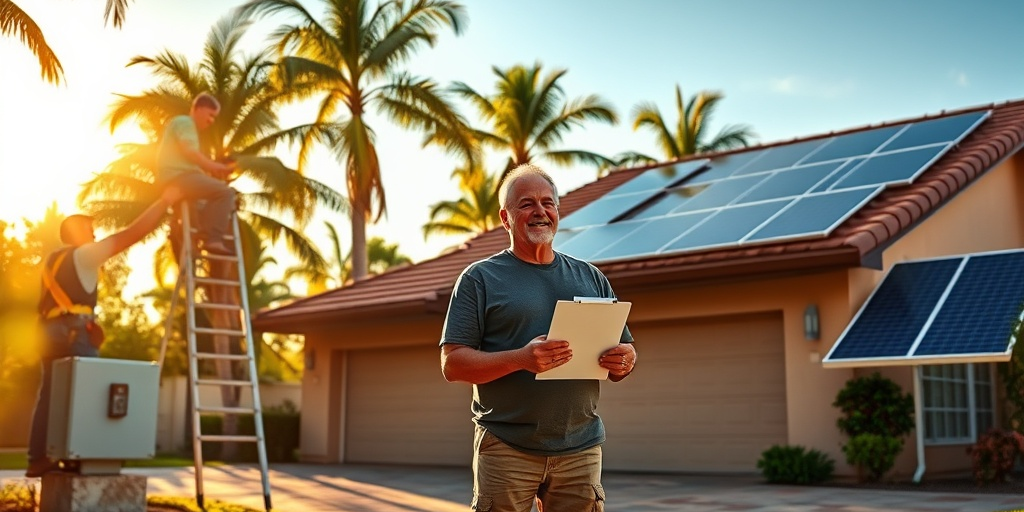
Have you considered the hidden dangers lurking behind solar panel installation? You might be surprised to learn that while solar energy provides a plethora of benefits such as energy independence and reduced utility bills, it also comes with risks that can jeopardize your investment. According to the Solar Energy Industries Association (SEIA), over 3 million residential solar systems were installed in the U.S. as of 2023. However, it’s essential to note that a significant percentage of these installations failed to meet compliance standards and safety regulations, leading to costly repairs and safety hazards (SEIA.org). Additionally, data from the National Renewable Energy Laboratory highlights that improper installation can lead to a 20% decrease in system performance (NREL.gov). Thus, the year 2025 bears an urgency for Florida homeowners and commercial property owners wanting to make the shift to solar. You must arm yourself with knowledge to protect your investment and maximize its returns. In this blog titled Don’t Delay: Critical Warning About Solar Panel Installation Risks, we will explore crucial elements that every potential solar buyer should consider before making a decision. Here’s what to expect in the upcoming sections: case studies highlighting real risks, actionable checklists, common myths debunked, local insights specifically for Florida, and a technical deep dive into installation practices.
Understanding the Risks: A Cautionary Tale of Florida Homeowners
Meet Alice, a Florida homeowner who embraced solar energy with open arms. Eager to cut down on her rising electricity bills, she jumped at the first solar company that offered her a smooth, enticing pitch. After the installation, things were initially great—her electric bill dropped significantly. But soon, Alice encountered serious issues: her solar panels were not producing the promised energy, and a recent inspection revealed that they were not code compliant. Alice’s story highlights a common pitfall of rushing into something as significant as a solar investment without performing adequate research.
To avoid Alice’s fate, consider these crucial points as part of your due diligence:
- Check Company Credentials: Not all solar companies are equal. Ensure the installers are certified, insured, and have good reviews. According to SolarReviews.com, only about 40% of solar companies maintain a satisfactory rating from customers.
- Evaluate the Installation Process: A proper installation process should include a thorough site assessment. Survey your roof’s structural integrity, angle, and shading. You wouldn’t build a house on a shaky foundation, right?
- Verify Equipment Quality: Cheap panels may save costs upfront but can lead to more significant expenses down the line. Invest in durable and high-efficiency panels to ensure long-term benefits.
- Understand the Warranties: Not all solar warranties are created equal. Familiarize yourself with the warranties available for both panels and the installation workmanship.
- Get Everything in Writing: Always demand contracts that clearly outline the expected performance metrics, timelines, and guarantees. Transparency here is crucial.
This checklist is not exhaustive, but it serves as a framework for potential solar buyers in Florida. The overall goal is to reduce risks associated with your solar installation in 2025. Remember, unplanned expenses can quickly eat into the financial savings solar energy is supposed to provide.
Furthermore, several myths contribute to the misunderstanding and mismanagement of solar panel installations. Let’s debunk some common misconceptions that could harm your solar investment.
Myths That Could Cost You: Unraveling Common Solar Installation Misconceptions
There are numerous misconceptions surrounding solar panels that can deter homeowners from making informed decisions. Unfortunately, these myths can lead to significant consequences, including financial loss and inefficient energy generation. Here are a few common beliefs you should reconsider:
- Myth #1: Solar Panels Are Maintenance-Free: While solar panels generally require minimal maintenance, they are not entirely maintenance-free. Regular cleaning, monitoring, and occasional professional inspections can prolong their lifespan and operational efficiency.
- Myth #2: All Solar Panel Companies Are the Same: The quality, customer service, value, and expertise vastly differ among solar companies. Choosing a reputable installer can make a world of difference, as illustrated by Alice’s unfortunate experience with her installation.
- Myth #3: You Have to Buy Your Solar Panels Upfront: This is false. Many financing options, including leasing and power purchase agreements (PPAs) exist, allowing you to go solar without a hefty upfront payment. A survey by the EnergySage found that more than 50% of homeowners prefer financing their solar systems over outright purchases (EnergySage.com).
- Myth #4: All Solar Systems Will Boost Property Value: While some studies suggest that homes with solar can sell for more, the benefit may vary based on location and other market conditions. Make sure to evaluate the local market context before drawing conclusions about the impact of solar on property value.
- Myth #5: Solar Power Is Only Suitable for Warm Climates: Though Florida is an ideal state for solar energy, not only warm regions can effectively harness solar power. It is a common misconception that leads many homeowners in cooler climates to dismiss solar energy altogether.
These myth-busters serve as a reminder that knowledge is a powerful tool when investing in solar. Armed with accurate information, you can mitigate risks while maximizing the advantages of solar power.
Now, let’s pivot toward understanding some of the specific regulatory considerations and local market dynamics for Florida to guide your solar journey further.
Florida-Specific Regulations and Incentives: What Homeowners Must Know
As a Florida homeowner, it’s crucial to be aware of state regulations and available incentives that can significantly impact your solar installation experience. One of the most appealing policies is the Florida Solar Energy System Incentives program, which provides various options to save money on solar installations. However, navigating through these can be complex and overwhelming. Here are several points to keep in mind:
- Net Metering: Florida allows homeowners with solar panels to benefit from net metering, enabling them to sell excess energy back to the grid. However, changes and limitations to these policies are periodically discussed by Florida utility companies, making it crucial to stay informed.
- Property Tax Exemption: In Florida, solar systems installed on residential properties are exempt from property taxes. This saves homeowners from incurring increased taxes linked to solar installations, making solar energy even more appealing.
- Sales Tax Exemption: Homeowners can save on sales tax for solar panels, inverters, and related equipment. This can significantly reduce your initial investment and is valid for both residential and commercial properties.
- Local Utility Programs: Utility companies in Florida sometimes offer additional incentives for energy efficiency upgrades or rebates for homeowners who invest in solar panels. Always inquire about any potential programs, as these can save you considerably.
- Licensing Requirements: When hiring a contractor, ensure that they possess the required state licensing, insurance, and certifications. This not only guarantees quality work but also compliance with Florida state regulations.
By gaining an understanding of these incentives, you can make financially sound decisions while maximizing the performance and functionality of your solar power system. Be proactive in seeking out these benefits as they are a vital component of your journey toward energy independence.
Next, let’s dive into some best practices that can enhance the installation process and encourage optimal performance of your solar energy system.
5 Expert Solar Installation Tips for 2025
Ready to embark on your solar journey? Here are five essential tips to enhance your installation process and safeguard your investment:
- Choose the Right Orientation: Panel placement is critical. For Florida homeowners, south and southwest orientations are generally recommended because they capture the most sunlight throughout the year. Consult with your installer regarding optimal positioning for peak performance.
- Invest in Quality Equipment: Rather than go for the cheapest option, invest in high-quality solar panels that meet industry standards. Quality equipment not only increases system longevity but also leads to increased energy production.
- Have Your Roof Inspected: Before installation, ensure your roof is in good condition and ready for solar panels. If your roof is near the end of its lifespan, it may need repairs or replacement prior to installation.
- Keep Informed About Local Policies: Regulations and incentives change frequently. Keep in touch with your local utility or check resources like floridaelectricandsolar.com to stay updated on policies that could help you save more.
- Utilize Monitoring Systems: After installation, use solar monitoring systems to track the performance of your solar system. This allows you to identify any issues early on and ensure that your system is operating efficiently.
Adhering to these practices is about more than just avoiding risks – it’s about ensuring your solar investment yields the best possible returns and serves you well for years.
In the next section, we’ll take a deeper look into a fictional yet realistic scenario, exploring a Florida homeowner’s journey towards installing a solar power system.
A Solar Journey: The Story of Mark and His Solar Transition
Mark, a father of three living in Orlando, was intrigued by the idea of transitioning to solar energy. Concerned about rising electric bills amidst a growing family and wanting to contribute positively to the environment, he took his first steps towards sustainability. Eager to embrace solar power, he quickly dove into the world of solar energy, researching companies and options.
However, Mark realized that each interaction with different solar companies left him with more questions than answers. Here are some key learning points he encountered along the way:
- Do Your Research: Mark quickly learned the importance of understanding his energy needs before contacting companies. He assessed his electric bills, checked his home’s energy consumption, and defined what his goals were.
- Schedule Multiple Assessments: No two homes are the same, and getting multiple quotes helped Mark identify the best offer. Through this, he recognized a stark difference in pricing, equipment quality, and customer service.
- Understand Long-Term Commitments: Mark considered several financing options like leases and power purchase agreements. He learned how these options differ in their impact on his upfront costs and long-term savings.
- Get Involved: Mark attended community meetings and sought advice from neighbors who had already made the switch to solar. This peer understanding proved invaluable and helped him make a more informed choice.
Eventually, Mark decided to move forward with a trusted local solar company after checking their credentials and reading positive customer feedback. He was thrilled with his decision after seeing his first month with solar—his energy costs had plummeted!
Mark’s journey navigated him through the complexities of solar systems, providing him with insights that equipped him for the long haul. He became a vibrant advocate for renewable energy, encouraging friends and neighbors to explore their own paths toward sustainability.
In changing his home to solar energy, Mark not only improved his family’s financial health but also contributed to a larger movement toward cleaner energy. Inspired by his story? It’s time to understand the next steps you can take toward your own solar journey.
Next Steps for Florida Solar Buyers in 2025
Congratulations on making it this far! The road to solar energy may seem daunting, but it’s time to simplify your decision-making process with clear steps. Here’s an actionable checklist for potential Florida solar buyers:
- Step 1: Audit Your Electric Bill: Begin by reviewing your monthly electric bills to understand your energy consumption patterns. It serves as a baseline to estimate costs and savings with solar.
- Step 2: Research Local Companies: Take the time to find credible solar companies in your area, checking their ratings, reviews, and certifications. Aim for companies with a proven track record and satisfied customers.
- Step 3: Get In-Home Consultations: Schedule consultations with at least three solar companies to receive personalized proposals. Ask detailed questions about equipment, installation timelines, and financing options.
- Step 4: Confirm Incentives: Research the different incentives available in your area and ask your installer about them. Some local and federal programs can make your solar investment substantially lower.
- Step 5: Make Your Move: After thorough consideration and research, make your choice and complete the necessary paperwork with your chosen installer. Don’t forget to review your contract carefully!
By following this checklist, you position yourself to not only secure your solar investment but also to embrace a sustainable future. Equip yourself with the knowledge needed to navigate this empowering transition.
In closing, it is essential to recognize that transitioning to solar energy isn’t simply a decision—but a commitment to a sustainable future for you and your family. The risks associated with installation can be significant, but with thorough preparation and education, they are manageable. By understanding the potential pitfalls and actively seeking solutions, you set the stage for a successful journey toward energy independence.
If you find yourself ready to start your solar journey in 2025, connect with a certified expert at floridaelectricandsolar.com today.
Related Articles
More insights about Solar Panel

Florida Homeowners: Why Solar Panel Maintenance Is Essential

7 Essential Steps for Solar Panel Installation Success

Expert Insights: Key Factors Influencing Solar Panel Lifespan
Ready to Go Solar?
Have questions about solar energy? Our experts are here to help you make the switch to clean, renewable energy.