
Don’t Delay: Florida Homeowners Risk Losing Out on Solar Savings
Share:
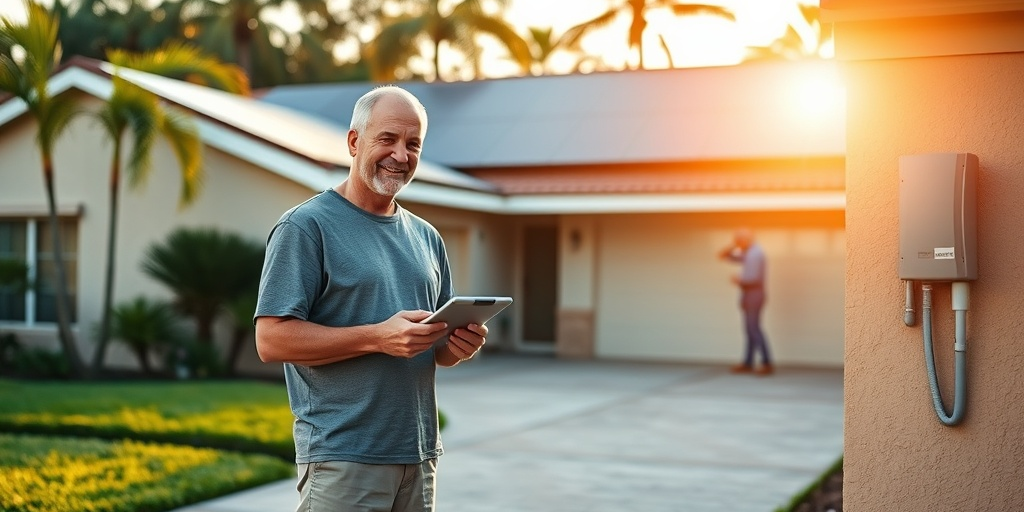
Did you know that a staggering 90% of Florida homeowners are missing out on potential savings by not switching to solar power? As we step into 2025, homeowners across the Sunshine State are positioned to make huge financial gains by embracing solar energy, yet many remain hesitant. In the blog titled Don’t Delay: Florida Homeowners Risk Losing Out on Solar Savings, we’ll explore the pressing need for Florida homeowners to adopt solar solutions, especially considering lucrative incentives and programs set to sunset soon. In fact, as of 2025, homeowners could face significant losses due to changes in net metering policies, which allow you to sell unused solar power back to the grid, optimizing your savings and reducing long-term energy costs (NREL.gov). The urgency of going solar has never been more pronounced, not just because energy prices are rising but also because of the instability of the electric grid as more Floridians face outages. In this blog, we will examine five crucial sections that address the imminent risks of delaying solar adoption: the practical implications of case studies, actionable checklists for going solar, myth-busting the most common misconceptions, a focused look at Florida’s specific energy landscape, and a deep dive into the technical aspects of solar power. Each of these sections will empower homeowners to make informed decisions and embrace the solar revolution without delay.
Risking Savings: The Imperative for Florida Homeowners to Embrace Solar Now
Consider the story of Laura and Mark, a couple living in Orlando who spent years wrestling with rising electricity bills. While many of their neighbors were enjoying the perks of solar energy, they hesitated, thinking solar was too complicated and that their bills simply wouldn’t justify the switch. Eventually, they decided to consult a local solar provider and discovered that not only could they drastically cut their electric expenses, but they could also earn money by selling excess energy back to the grid through net metering.
Step 1: Evaluate your energy consumption. Calculate your average electric bill and assess how much sunlight your property receives. Step 2: Research local solar companies and request quotes. Step 3: Understand net metering in Florida; currently, it allows residential solar owners to receive credits for excess energy fed back into the grid. Step 4: Familiarize yourself with Florida’s tax incentives—did you know that Florida residents can receive a property tax exemption on solar systems? Step 5: Schedule your installation as soon as possible because waiting may lead to changes in the laws affecting solar benefits.
Many Florida homeowners mistakenly believe that solar panels don’t work during cloudy weather. This isn’t true; while energy production may decrease on overcast days, solar panels can still harness ambient light. The average solar installation in Florida produces about 1,200 to 2,000 kWh per year, depending on the location and system size (SEIA.org). The misconception surrounding aesthetics is equally damaging; solar panels are designed with low-profile options that integrate seamlessly with your roof.
Florida is currently experiencing major shifts in energy policies that could affect net metering. The Florida Public Service Commission has ruled to evaluate these policies frequently, which means that changes could occur that impact the credits you earn for transferring energy back to the grid (Energy.gov). As a result, Florida homeowners who hesitate to go solar not only risk losing out on current savings but may also miss essential opportunities for future energy independence.
With these crucial aspects weighed in, it becomes clear that the choice is not about whether to go solar but about when. The urgency is palpable. Homeowners who fail to act now risk losing out on potential benefits that could impact their financial stability in the long run. In the next sections, we will delve deeper into essential components that will guide you through the solar journey with confidence.
Essential Steps to Maximize Your Solar Savings
Every homeowner must understand the steps to maximize their solar experience. By following these straightforward guidelines, you’ll not only ensure a smooth transition to solar energy but will also enhance your savings and satisfaction with your solar power investment.
- Step 1: Perform a Comprehensive Energy Audit – Before you make the solar leap, analyze your household’s energy usage thoroughly. Review your last six months of electrical bills and identify peak consumption times. This information will help gauge the optimal size and type of solar installation needed for your home.
- Step 2: Investigate Local Solar Incentives – Explore the federal, state, and local tax credits available for solar investments. For example, the federal solar tax credit allows you to deduct 26% of the cost of installing a solar energy system from your federal taxes (SolarReviews.com). Take advantage of any local rebates and programs as well.
- Step 3: Understand Solar Financing Options – Solar systems can be financed through leasing, power purchase agreements, or loans. Evaluate which financial path aligns with your goals. Be sure to understand how each option affects your savings, incentives, and long-term ownership of the system.
- Step 4: Choose the Right Solar Provider – Selecting a reputable solar contractor is crucial. Research customer reviews, ask for references, and verify credentials. If possible, seek a local provider who understands Florida’s solar landscape, including incentives and policies.
- Step 5: Stay Informed About Changes in Policy – Keep abreast of upcoming changes regarding net metering and solar incentives. For instance, proposed changes in net metering compensation could affect how homeowners are credited for energy sent back to the grid. Regularly check the status of Florida’s solar legislation, such as developments with the Florida Public Service Commission, for ongoing updates (Energy.gov).
In each of these steps, floridaelectricandsolar.com serves as a pivotal resource, providing tools and resources to clarify any confusion homeowners may have. Armed with this knowledge, you can confidently navigate your solar journey while maximizing savings.
Debunking the Myths Surrounding Solar Power
Despite its many advantages, solar energy often gets tangled in myths that inhibit homeowners from embracing its benefits. Here, we aim to debunk the most common misconceptions that cloud the conversation around solar energy and highlight the factual truths behind them.
- Myth #1: Solar Panels Are Too Expensive – The misconception that solar installations only cater to the wealthy is unfounded. With federal tax credits, state incentives, and various financing options, such as loans and leases, solar systems have become more accessible to all income levels.
- Myth #2: Solar Energy Isn’t Reliable – Many Florida homeowners assume solar energy can only be harnessed on sunny days. However, solar panels can generate electricity even with cloud cover, reducing reliance on the grid. Recent advancements have also enhanced the efficiency of solar panels in varying weather conditions (NREL.gov).
- Myth #3: Solar Energy Systems Require Constant Maintenance – While regular maintenance checks can be beneficial, solar panels typically require minimal upkeep. An occasional cleaning and inspection by a professional will suffice, allowing homeowners to enjoy their systems without extensive intervention.
- Myth #4: If You Move, You Can’t Take Your Solar System With You – Many people believe that if they relocate, they will lose their investment in solar power. In reality, solar systems can often be transferred to a new homeowner or even moved to another property, maintaining the value of your investment.
- Myth #5: Solar Energy Isn’t Good for the Environment – Skeptics often raise doubts about solar energy’s environmental impact. Contrary to this belief, solar power is a clean renewable energy source that significantly reduces greenhouse gas emissions and environmental degradation compared to fossil fuels (SolarReviews.com).
Awareness and education are crucial for dismantling these common myths. Engaging with knowledgeable experts at floridaelectricandsolar.com can help homeowners navigate through misunderstandings and clarify the abundant benefits that solar energy offers.
Exploring Florida’s Unique Solar Landscape
Florida is not just a solar-friendly state; it is uniquely positioned to capitalize on solar energy. With an average of 261 sunny days a year, the Sunshine State is a prime candidate for solar installations. Nevertheless, understanding the local landscape—both in terms of energy policies and market dynamics—is critical for homeowners contemplating solar switch.
- 1. The Growth of Community Solar Programs – In addition to individual home installations, community solar programs are gaining traction. These collective initiatives allow residents to invest in solar projects without installing panels on their own property, expanding access to solar energy.
- 2. Changing Policies on Net Metering – Florida’s net metering policy remains a topic of concern among solar advocates. Ongoing evaluations by the Florida Public Service Commission could change how net metering functions, affecting potential compensation for homeowners. Staying apprised of these changes can impact financial returns for solar users (Energy.gov).
- 3. Local Utility Incentives – Different electric companies operating in Florida offer unique benefits for solar adopters. For instance, certain utilities may provide additional rebates or incentives to customers installing solar systems, known as feed-in tariffs, providing an extra layer of savings (SEIA.org).
- 4. Hurricane Hardening for Solar Systems – Florida homeowners face unique weather challenges, particularly with hurricanes. Fortunately, solar installations can be reinforced to withstand severe weather conditions through advanced mounting systems that ensure safety and long-term reliability.
- 5. Environmental Initiatives – The state demonstrates its commitment to solar energy through various environmental initiatives aimed at promoting renewable energy adoption and reducing reliance on fossil fuels, showing an ongoing investment in future energy resilience (SolarReviews.com).
Homeowners eager to embrace solar energy must recognize these local nuances and market conditions, as they directly influence their solar investment’s potential success and sustainability. Leveraging the expertise available at floridaelectricandsolar.com can enhance your understanding of navigating these factors.
Next Steps for Florida Solar Buyers in 2025
Equipping yourself with a strong action plan is essential to making a successful transition to solar energy. As we approach 2025, knowing what personal steps to take will embody your strategy for cutting electricity costs and understanding all relevant financial incentives.
- Step 1: Audit Your Electric Bill – Start by examining your previous electric bills over the last year. Calculate your average monthly usage and predict how much you’re willing to invest in a solar panel system based on your current energy needs.
- Step 2: Assess Your Home’s Solar Potential – Evaluate the orientation of your roof and the amount of sunlight it receives daily. Properties that face south typically get optimal sun exposure, making them ideal candidates for solar installations.
- Step 3: Research Local Solar Providers – Seek out well-reviewed solar contractors in Florida and request detailed proposals. Compare their offerings to find a reputable company that meets your unique needs.
- Step 4: Understand Financing Options – Choose the financing method best aligned with your financial strategy; whether through a purchase, lease, or loan, make sure you understand all of your options and their implications before proceeding.
- Step 5: Take Advantage of Incentives – Do not miss out on potential tax credits and rebates. Be proactive in understanding how each of these opportunities affects your investment outlook; timing is critical as some incentives may decrease in availability (NREL.gov).
As you embark on your solar journey, it is vital to remain proactive and engaged in your planning process. For personalized advice tailored to your specific circumstances, visit floridaelectricandsolar.com.
As you’ve now explored essential insights and action steps to support your transition to solar energy, it’s evident that the need for immediate action has profound implications. The risks of waiting extend beyond simple inconveniences; they may threaten your ability to save money in the long run. Don’t let fear of the unknown hold you back; grasp the reality of rising energy costs and the political landscape that could soon leave you behind. It’s time to invest in your home, your future, and the environment.
Ready to start your solar journey in 2025? Connect with a certified expert at floridaelectricandsolar.com today.
Related Articles
More insights about Solar Savings

5 Critical Steps to Maximize Your Solar Utility Bill Savings
Ready to Go Solar?
Have questions about solar energy? Our experts are here to help you make the switch to clean, renewable energy.