
Don’t Delay Solar Panel Installation: Your Home Value Could Drop
Share:
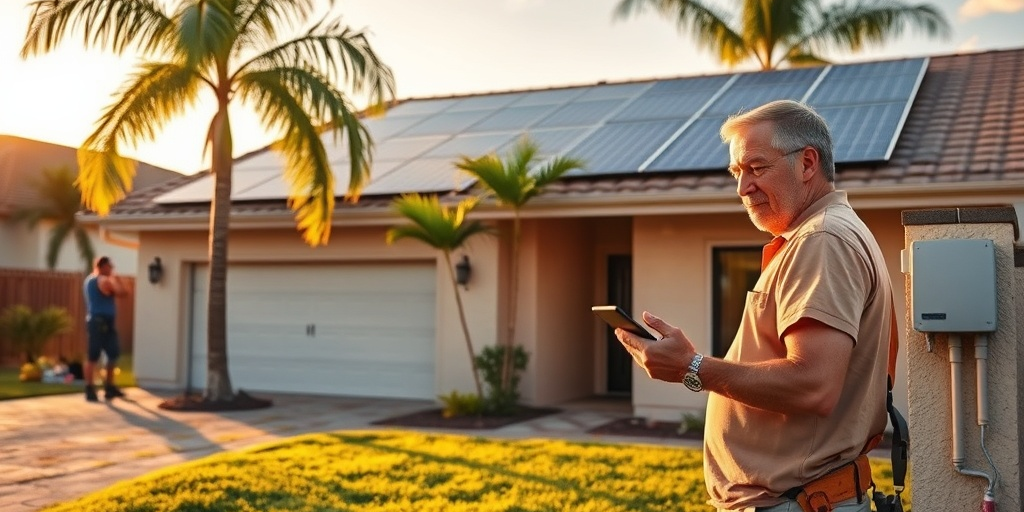
According to a study by the National Renewable Energy Laboratory, homes equipped with solar energy systems see an average increase in value by up to 4.1% when compared to homes without solar panels (NREL.gov). For Florida homeowners, this translates into a significant financial opportunity. As of 2025, solar power is not just a green choice—it’s a necessity. Rising energy costs and climate challenges are forcing many into consideration of solar installation, lest they risk diminishing their home’s value. This environment makes our article title, Don’t Delay Solar Panel Installation: Your Home Value Could Drop, especially pertinent. Timely installation is essential to avoid costly mistakes that can impact your property’s worth. It’s not just about saving on electricity bills; it’s also about maintaining and enhancing your investment in your home.
In this blog, we’ll delve into five critical sections that provide vital insights for Florida homeowners. We’ll explore a compelling case study that highlights the importance of timely solar installations, offer a checklist for potential buyers, debunk common myths about solar energy, provide a local focus on Florida’s unique benefits and policies concerning solar power, and go deep into the technical aspects that make solar energy a wise investment as we move toward 2025. This information is crucial as you make decisions about enhancing the value of your most significant asset—your home.
Why Delaying Solar Panel Installation Can Cost You More Than You Think
Consider the story of the Thompson family, who reside in the vibrant community of Orlando, Florida. Faced with soaring electric bills and the threat of unpredictable energy costs, they contemplated installing solar panels in 2024. However, life got busy, and they postponed the project several times, thinking they could save for an even bigger installation later. In March of 2025, they finally decided to move forward. Unfortunately, they discovered that new policies increased installation costs by nearly 15% in just one year. Moreover, in their neighborhood, home values had begun to trend upward, driven by solar adoption among their neighbors. Their delay meant they missed out on substantial savings and a chance to capitalize on rising property values that solar energy could have secured for them.
This scenario is not unique. Florida’s solar energy market is expanding rapidly; in fact, Florida ranks as one of the top states for solar installations, fueled by the state’s abundant sunshine and favorable policies. In 2023 alone, Florida installed over 2,500 megawatts of solar capacity, solidifying its position as a solar powerhouse (SEIA.org). But with these rising numbers comes heightened competition among homeowners to raise property values through solar installations. Delaying could not only affect your ability to save on electric bills but also diminish your home’s potential worth.
- Case Study: The Thompsons’ experience illustrates how quickly circumstances can change. In a competitive housing market, homes with solar installations often sell quicker and for more money.
- Checklist: We’ll provide actionable steps to help you navigate your solar journey efficiently.
- Myth-Buster: Many believe that solar installations are too expensive, while the opposite is true when you consider long-term savings.
- Local Focus: Florida’s policies support solar growth, making now the perfect time to invest.
- Technical Deep-Dive: Understanding the financial mechanisms behind solar energy can guide your decision-making.
As we progress through this guide, remember that time is of the essence. Making informed decisions now can secure your future—financially and environmentally.
Your Solar Installation Game Plan
As we embark on your journey to solar energy, here’s a roadmap to ensure the process is streamlined and effective. Follow this checklist to avoid common pitfalls that delayed installers often face:
- Step 1: Research Solar Companies – Take the time to research reputable solar installation companies like Florida Electric & Solar. Compare their offerings, customer reviews, and warranty policies.
- Step 2: Understand Your Energy Needs – Assess your current energy consumption. Awareness of your electricity expenses can guide the size of the system you’ll need.
- Step 3: Get Multiple Quotes – Obtain quotes from at least three solar providers. This gives you a broad view of market prices and helps you identify competitive rates.
- Step 4: Evaluate Financing Options – Familiarize yourself with financing, rebates, and tax credits available for solar installations in Florida. Federal incentives can substantially reduce upfront costs.
- Step 5: Schedule Installation – Once you’ve chosen a provider and financing options, schedule your installation promptly to avoid risk of rising costs.
Over 70% of homeowners report increased satisfaction with their financial decisions when they go solar (SolarReviews.com). Consequently, taking these steps can enhance your decision-making process and help you make an informed investment.
Myths Debunked: Common Misconceptions About Solar Energy
Being well-informed is key to making the best choices. Unfortunately, many homeowners have misconceptions that can hold them back from exploring solar energy. Let’s debunk some myths:
- Myth #1: Solar Panels Are Too Expensive – This myth overlooks the financial benefits of solar energy. With available federal tax credits and lower prices for solar systems, installation costs have dropped significantly in recent years.
- Myth #2: Solar Energy Only Works in Sunny States – While sunny locales like Florida have an advantage, solar systems generate energy even on cloudy days. The efficiency rates are remarkable regardless of local weather patterns.
- Myth #3: Solar System Maintenance is Complicated – Solar panels are remarkably low-maintenance. Most systems only require light cleaning and periodic monitoring to ensure everything operates efficiently.
- Myth #4: You Won’t Save Money on Your Electric Bill – On the contrary, many Florida homeowners cut their electric expenses by 50% or more after installing solar panels.
- Myth #5: You Can’t Sell Your Home with Solar Panels – Solar installations can increase property values and can even make a home more attractive to buyers.
With accurate information, you can now navigate the solar landscape more confidently, setting yourself up for success.
The Sunshine State Advantage: Unique Benefits for Floridians
Florida has made significant strides to promote solar energy adoption among its residents. As a homeowner in the Sunshine State, you can take advantage of several compelling incentives and considerations:
- Net Metering: Florida allows homeowners to benefit from net metering, meaning you can sell excess energy back to the grid. This can significantly offset costs on months when your energy consumption is low.
- State Tax Incentives: Florida offers a property tax exemption for solar energy systems, meaning your home value won’t increase for taxation purposes until after the installation.
- Favorable Weather Conditions: With approximately 237 sunny days per year, Florida is perfect for solar energy! This means higher energy production and greater cost savings.
- Community Solar Programs: Many Floridians can also participate in community solar programs, which allow homeowners to buy into shared solar projects for added accessibility.
- Existing Rebates: Check with your local utility companies for any rebates or incentives they may offer to encourage solar adoption.
These factors illustrate why now is the time to consider solar energy seriously. By investing in solar, you’re not just saving money; you’re aligning with a powerful trend that enhances property values and combats rising energy challenges.
Diving Into the Technical Aspects of Solar Energy
To optimize your solar investment, understanding technical elements is crucial. Let’s break down several key components that determine the efficacy and value of your solar system:
- Solar Panels: High-efficiency solar panels convert sunlight into electricity with maximum output. Brands like LG and Hanwha Q CELLS are recognized for their performance and reliability.
- Inverters: These devices convert direct current (DC) electricity generated by solar panels into alternating current (AC), which is used in homes. Optimal inverter performance can enhance overall system efficiency.
- Battery Storage: Batteries store energy collected during the day for use at night or during outages, providing energy independence and ensuring you maximize your solar energy potential.
- Monitoring Systems: Most modern solar installations come with monitoring systems that allow homeowners to track energy production and consumption, enabling optimal energy management practices.
- Billing Structures: Familiarize yourself with different billing structures offered by your utility company to best utilize your solar energy system and maximize savings.
Being equipped with a solid grasp of these systems can make a world of difference, especially as new innovations arise. Florida homeowners who adeptly navigate these options are positioning themselves ahead of the curve in 2025 and beyond.
Next Steps for Florida Solar Buyers in 2025
After gathering all the information, it’s time to take decisive action. Transitioning to solar energy doesn’t have to be overwhelming. Follow these next steps to jumpstart your solar journey in Florida:
- Step 1: Audit Your Electric Bill – Gather your recent bills to understand your energy consumption patterns, helping you determine the right system size.
- Step 2: Consult with Professionals – Schedule a consultation with a trusted solar energy provider to understand options tailored for your specific needs.
- Step 3: Review Benefits and Incentives – Determine which local and federal incentives apply to your situation to financially enhance your investment.
- Step 4: Finalize Installation Plans – Prepare your property for installation, ensuring adequate space and compliance with local codes.
- Step 5: Engage with Community Resources – Explore community resources and support groups that provide additional assistance and information as you transition to solar.
Taking these steps can ensure you’re not just catching up to the trend but leveraging it for your family’s future.
Conclusion: Embrace the Solar Future Today
Your time to act is now. Understanding that delaying solar panel installation can directly impact your home’s value is critical for Florida homeowners in 2025. Your decision goes beyond mere financial implications—it reflects a commitment to environmental sustainability, energy efficiency, and family wellbeing. By investing in solar energy, not only do you position yourself to capitalize on rising home values but you also protect your family against the unpredictable nature of energy prices in this transitional era.
In this rapidly changing world, making informed and timely decisions is essential. The case studies, frameworks, myths, and technical insights outlined above equip you with the knowledge to embark confidently on your solar journey. Don’t wait for prices to rise or policies to change. Ready to start your solar journey in 2025? Connect with a certified expert at floridaelectricandsolar.com today.
Related Articles
More insights about Solar Panel

Florida Homeowners: Why Solar Panel Maintenance Is Essential

7 Essential Steps for Solar Panel Installation Success

Expert Insights: Key Factors Influencing Solar Panel Lifespan
Ready to Go Solar?
Have questions about solar energy? Our experts are here to help you make the switch to clean, renewable energy.