
Don’t Delay Your Solar Panel Installation or Risk Missing Savings
Share:
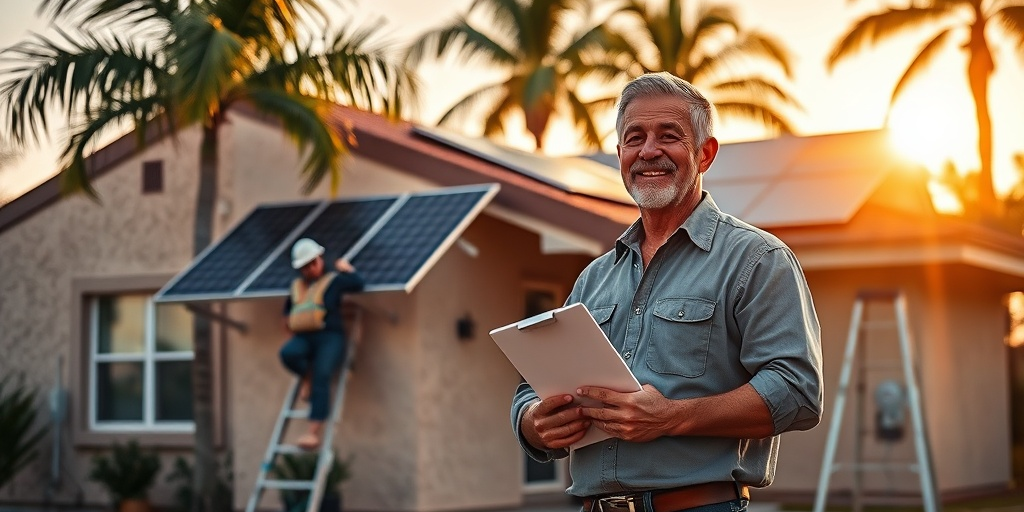
When it comes to solar energy, timing is critical, especially for Florida homeowners looking to maximize savings. A staggering 70% of Florida residents have yet to adopt solar power, despite the state’s abundant sunshine and rising electricity costs (SEIA.org). The statistics tell a clear story: households can save thousands by going solar, but delays come at a steep price. In fact, as the cost of traditional energy sources continues to rise, the window for optimal savings is closing. With the title “Don’t Delay Your Solar Panel Installation or Risk Missing Savings,” we will explore why 2025 is the pivotal year for solar investments. In this comprehensive guide, we will delve into the urgency of acting now to secure your financial future, the vital steps to maximize your utility bill savings, and how Florida Electric & Solar can help every step of the way. Prepare to uncover valuable insights, actionable advice, and compelling reasons to make the switch to solar.
The Time Is Now: Why Delays Can Cost You
Imagine the Johnson family from Orlando, who hesitated to install solar panels. They thought, “Maybe next year.” Fast forward to today, and their utility bills have skyrocketed by 30% due to unpredictable energy hikes. Meanwhile, their neighbors, who invested early in solar, are enjoying consistent savings and energy independence. The Johnsons missed out on the $3,000 rebate offered by the state of Florida for residential solar installations last year (Energy.gov). Now, they face rising costs and regret their inaction.
If you’re in a similar situation and are considering solar but put off the decision, you risk missing out on additional savings—both through local, state, and federal incentives and through the anticipated increase in electricity rates. Here’s how to get started watchfully.
Why 2025 Is Critical for Solar Adoption
- Rising Energy Costs: Florida is seeing an average increase of 5-7% in electricity costs annually (SolarReviews.com). Delaying installation means compounding costs.
- Incentives Ending: Various federal and state solar tax incentives are becoming less accessible as time goes on. This year, homeowners can still benefit from a 26% federal tax credit (IRS.gov).
- Grid Reliability Challenges: As more people turn to solar, utility companies are investing in upgrading the grid. Waiting for those upgrades could leave you vulnerable to outages, especially during hurricanes.
To ensure you don’t miss out, we will explore five essential sections: 1) Deep dive into how delays affect your savings, 2) actionable checklist steps to prepare for installation, 3) debunking common myths about solar, 4) local information up-to-date for Florida, and 5) technical insights about the components of a solar system and the installation process. Let’s ensure you’re not left in the dark.
1. The High Cost of Waiting: A Deep Dive Into Lost Savings
Understanding the underlying reasoning behind delays can help homeowners grasp how they might be inadvertently forfeiting savings. A prime example comes from a study conducted by the International Renewable Energy Agency (IRENA), where it was found that installing solar panels early in the investment timeline can yield a return on investment of up to 20% more than if the installation was delayed (IRENA.org). Let’s break this down into actionable items.
Case Study: The Smith Family in Sarasota
After seeing a dramatic rise in their electric bill in summer, the Smith family finally decided to go solar. But instead of moving forward immediately, they waited to compare options for six months. During this waiting period, electricity rates increased unexpectedly due to grid demands following a major hurricane.
- Action Taken: They consulted with Florida Electric & Solar and realized they could have started saving instead of watching their bills rise. Within weeks of installation, they began saving around $200 a month.
- Missed Opportunity: The Smiths could have saved an additional $1,000 by applying for rebates that expired during their waiting period.
Checklist of Steps to Prevent Delayed Savings
- Step 1: Audit your energy usage. Understand how much energy you consume monthly.
- Step 2: Research incentives available in your area, including rebate programs in Florida.
- Step 3: Schedule a consultation with a certified solar expert from floridaelectricandsolar.com.
- Step 4: Prequalify for financing options that can make installation more affordable.
- Step 5: Make a timeline. Set a benchmark for installation and aim to complete within three months.
By adhering to these steps, homeowners can take control of their solar journey and secure affordable energy for their future.
Myth-Busting: Common Misconceptions About Solar Energy
Unfortunately, misconceptions about solar energy can also be a significant deterrent for potential adopters. Here are common myths and the truths behind them:
- Myth #1: Solar panels are only effective in sunny states. Truth: While Florida has high sun exposure, solar systems can still generate power on cloudy days.
- Myth #2: Installing solar panels is too expensive. Truth: Prices for solar installations have dropped significantly—by around 80% since 2010 (SEIA.org).
- Myth #3: Solar panels are not worth the investment. Truth: With incentives, long-term savings on utility bills can outweigh installation costs (Energy.gov).
- Myth #4: Solar energy requires too much maintenance. Truth: Solar panels require minimal maintenance—typically just an annual checkup.
- Myth #5: You can only go solar if you own your home. Truth: Many financing options exist for renters, including Power Purchase Agreements (PPAs).
Clearing these myths can provide homeowners with the confidence to move forward with their solar journey, thus allowing for improved financial outcomes.
2. Preparing for Your Solar Panel Installation: A Comprehensive Checklist
Installing solar panels doesn’t have to be a daunting process. In fact, with proper preparation, you can streamline your journey to energy independence.
Here’s a step-by-step checklist you should follow:
- Step 1: Conduct an Energy Audit—Identify your current energy consumption and map out areas for improvement.
- Step 2: Research Local Incentives—Learn about rebates available specifically for Florida homeowners, which can save you thousands.
- Step 3: Consult with Professionals—Contact a reputable company like floridaelectricandsolar.com to assess your home’s suitability.
- Step 4: Evaluate Financing Options—Study financing plans such as solar loans or leases that can help manage initial costs.
- Step 5: Set Realistic Expectations—Understand the timeline for installation and when you can expect savings to kick in.
This checklist serves to demystify the process and ensure you’re taking steps that bring you closer to solar adoption.
Studies reveal that states with clear, accessible rebates experience significantly higher solar adoption rates. In Florida, the average homeowner can save anywhere between $15,000 to $30,000 over 25 years with solar energy (SolarReviews.com). This incredible potential means waiting isn’t an option.
3. Best Practices for a Successful Solar Installation in 2025
As you consider your solar installation, implementing best practices ensures your investment yields the best returns. Below are five expert tips to follow:
- Prioritize Proper Panel Placement: The orientation and angle of your solar panels can drastically impact efficiency. Consult an installer for optimal positioning.
- Choose Quality Components: Don’t skimp on high-performance panels and inverters, which can enhance energy production and longevity.
- Understand Performance Monitoring: Use solar monitoring tools to track your system’s energy production and efficiency over time.
- Incorporate Battery Storage: Consider installing a battery system to store excess energy for use during cloudy days or at night, enhancing energy independence.
- Stay Informed on Local Legislation: Be aware of changing laws regarding solar, as local policies may impact your installation options.
Implementing these strategies not only maximizes your savings but also helps ensure that your solar investment functions optimally for years to come.
4. Imagining Your Solar Future: A Homeowner’s Journey in Florida
Let’s take a closer look at a fictional but realistic journey of one homeowner in Tampa—Maria, a working mother whose family struggled with high energy bills. After consulting with specialists from Florida Electric & Solar, Maria discovered that their home was ideal for solar panels. Here’s how her journey unfolded:
- Step 1: Initial Consultation: Maria learned about different options available for solar panel installation.
- Step 2: Financing Review: Options such as zero-down financing allowed her family to start saving on electricity costs immediately.
- Step 3: Installation Day: With the help of experienced installers, the process was quick and professional, giving Maria peace of mind.
- Step 4: Post-Installation Monitoring: Maria was excited to see her monthly utility bills drop by more than 50% in just the first year!
As she navigated her solar journey, Maria gained insight into how solar power can transform lives. According to recent reports, homes that utilize solar energy can increase property value significantly, often by about 4% to 6% (NREL.gov). This means that not only is she saving on utilities, but she’s also bolstering the family’s investment in their home.
Her experience serves as a testament to the positive impact of solar energy on families throughout Florida. Through timely decision-making and taking actionable steps, homeowners can seize their moment and convert their hesitation into energy independence.
5. Next Steps for Florida Solar Buyers in 2025
After understanding the critical importance of acting swiftly to install solar panels, here’s your action plan for success:
- Step 1: Audit Your Electric Bill—Evaluate your current energy costs and determine your potential savings with solar.
- Step 2: Research Incentives—Local and federal incentives won’t last forever. Investigate what’s currently available.
- Step 3: Meet with Experts—Schedule an appointment with a trusted consultant from floridaelectricandsolar.com to personalize your plan.
- Step 4: Installation Preparation—Get your home ready for panels, which might include minor upgrades for optimal efficiency.
- Step 5: Monitor Your Progress—After installation, use monitoring tools to track savings and performance.
Being proactive and informed in these steps can set up Florida homeowners for endless benefits. The transition to solar should be seen not as a chore but as a steppingstone towards a sustainable, cost-effective future.
Conclusion: Secure Your Solar Future
As we’ve journeyed through the ins and outs of solar energy, it is clear that the time for action is now. By not delaying your solar panel installation, you stand to gain substantial savings, benefit from rising incentives, and become part of a growing community of energy-conscious Florida homeowners.
Smart financial planning is essential, as monthly savings can accumulate to life-changing amounts over the coming years. Remember Maria’s story, along with the knowledge we’ve shared about best practices, preparation, and the imaginative potential of solar energy. This journey is not just about reducing electric bills—it’s about securing a brighter, more sustainable future for you and your family.
Ready to start your solar journey in 2025? Connect with a certified expert at floridaelectricandsolar.com today.
Related Articles
More insights about Solar Panel

Florida Homeowners: Why Solar Panel Maintenance Is Essential

7 Essential Steps for Solar Panel Installation Success

Expert Insights: Key Factors Influencing Solar Panel Lifespan
Ready to Go Solar?
Have questions about solar energy? Our experts are here to help you make the switch to clean, renewable energy.