
Don’t Fall for These Common Solar Scams That Can Cost You
Share:
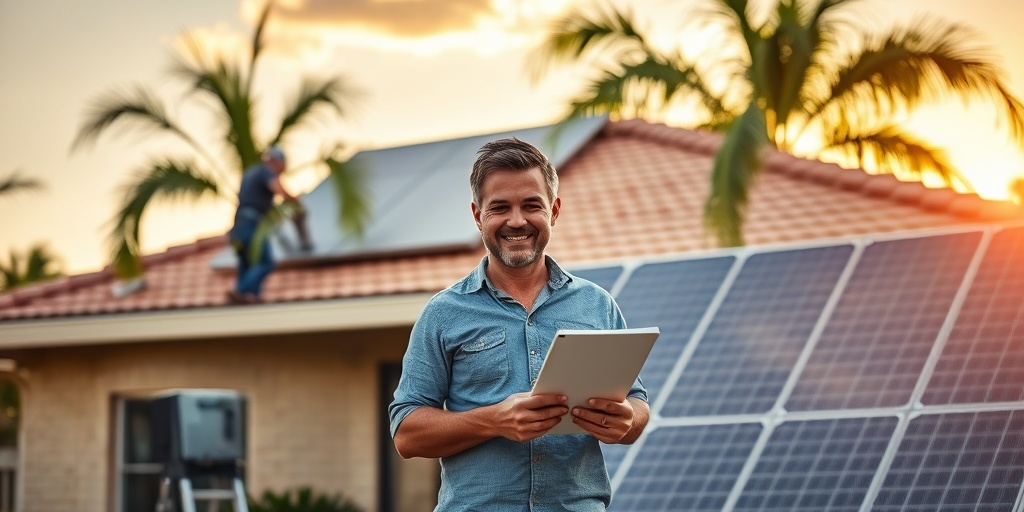
Did you know that scams related to solar energy can cost unsuspecting homeowners **thousands of dollars**? In fact, a recent survey found that approximately 30% of Americans who went solar reported encountering some form of fraudulent practices. As solar energy adoption continues to escalate, especially in sunny states like Florida, it is **crucial to remain vigilant** against these scams. In this post, titled Don’t Fall for These Common Solar Scams That Can Cost You, we’ll outline essential tips to protect your hard-earned investment in solar energy—and help you avoid being another statistic.
As Florida embraces solar energy like never before, projections show that the solar market is expected to **double in size by 2025**. With rising energy costs and the introduction of numerous solar incentives, the excitement is palpable. However, this burgeoning interest has also caught the attention of unscrupulous individuals looking to exploit those eager to save money on their bills. In fact, a shocking 18% of Florida homeowners have reported suspicious offers related to solar installations over the past year (SolarReviews.com). Thus, as the conversation around renewable energy heats up, we must navigate this landscape carefully.
In this comprehensive guide, we’ll dive into five critical sections:
- Real-life case studies of individuals trapped in scams.
- Five actionable steps to avoid falling victim to solar fraud.
- A myth-busting section to debunk common misconceptions.
- Insights focused on the Florida market and local regulations.
- A technical deep-dive into the components of a legitimate solar setup.
Staying informed is the first step toward ensuring that your venture into solar energy is a positive one. Let’s begin.
Section 1: Real Life Stories of Solar Scams and Their Impact
Meet Jane, a Florida homeowner who was eager to reduce her electricity bill and lessen her carbon footprint. After hearing about a local company offering **solar installation at an unbeatable price**, she jumped at the opportunity. Unfortunately, what unfolded was a **frustrating** and expensive experience.
Initially, Jane was excited. The salesperson promised her savings of **over $20,000 over the next 20 years**, and she felt confident moving forward. However, as installation began, she soon learned that the panels were outdated and poorly installed. After just a few months of operation, she noticed erratic energy production and frequent equipment failures. Following the installation mishaps, Jane attempted to contact the company for support—only to discover that they had gone out of business!
Jane’s experience is a **cautionary tale** for all Florida homeowners considering solar energy. In fact, around 23% of consumers reported that they were misled about the savings associated with solar investments (SEIA.org). This highlights the need for thorough research before committing to any solar project.
To help you navigate the complex world of solar energy, here’s a checklist of crucial steps to avoid scams:
- Research the Company: Always check customer reviews and verify credentials.
- Understand the Contract: Read the fine print and ensure that there are no hidden fees.
- Seek Recommendations: Ask friends or family for company references they’ve had positive experiences with.
- Watch for Pressure Sales Tactics: A reputable company will give you time to make an informed decision.
- Verify Products: Ensure that the solar panels and equipment are certified and have warranties.
It’s essential to dig deeper and ask the right questions about the systems you are considering. Remember, it’s not just about securing the best price but ensuring that your investment is **protected** and generates real savings.
Section 2: Ways to Protect Yourself From Solar Fraud
Every savvy homeowner should be armed with a checklist of protective measures when considering solar energy. Here’s a bold statement: Education is your best defense against scams. Below are essential steps to safeguard your solar venture from scammers and unscrupulous contracts.
- Step 1: Verify Credentials – Always ensure that your solar contractor is licensed and insured in Florida. This gives you legal backing in case of any disputes.
- Step 2: Compare Quotes – Don’t settle for the first offer. Get multiple quotes to understand the average market price around your area, which can help filter out outliers.
- Step 3: Check Their Warranty Options – Quality installations should come with comprehensive warranty options. Ensure you read and understand them before signing anything.
- Step 4: Use Trusted Platforms – Engage with trusted platforms for both information and contractor referrals. Websites like floridaelectricandsolar.com can provide you with reputable names in the industry.
- Step 5: Educate Yourself – Familiarize yourself with common terms and technologies in solar energy, making it easier to identify red flags.
Remember that taking the time to educate yourself about solar energy can save you from costly mistakes in the long run. Additionally, **51% of Florida homeowners** have reported that they wish they had done more homework before choosing a solar company (Energy.gov). Hence, staying informed is imperative in this ever-evolving landscape.
Section 3: Busting Myths Around Solar Energy
While solar energy is quickly becoming a popular option for homeowners, many **myths** continue to circulate and confuse potential buyers. Let’s set the record straight with some **myth-busting**:
Myth #1: Solar Panels Don’t Work on Cloudy Days
Many believe that if the sun isn’t shining, solar panels aren’t producing energy. However, solar panels can generate electricity even on cloudy or rainy days. In fact, up to **25%** of total energy can still be captured under such conditions (NREL.gov).
Myth #2: Solar Energy Is Too Expensive
While the initial investment can feel steep, many financing options make solar energy accessible for most homeowners. Plus, the return on investment often pays off through energy savings over time.
Myth #3: All Solar Companies Are the Same
With an ever-growing market, not all solar companies offer the same quality and service. Always vet your options carefully; check for licenses, reviews, and warranties.
Myth #4: I Can Install Solar Panels Myself to Save Money
DIY solar installation certainly seems like a money-saver, but improper installation can lead to significant performance issues that may cost you more in the long run. It’s always advisable to hire certified professionals.
Myth #5: Solar Energy Requires Maintenance Year-Round
While it’s true that solar systems need occasional checks, they are generally low-maintenance. Most homeowners only need to clean the panels a couple of times a year to ensure optimal performance.
Section 4: Understanding Florida’s Solar Landscape
With Florida leading the country in solar adoption, it’s important to understand the unique regulations and incentives available in your region. Knowing how to leverage these can help maximize your solar savings in an increasingly competitive market.
- Incentives and Rebates: Florida offers multiple programs for solar installations, including the **Florida Power & Light** plan for homeowners and commercial businesses. Understanding these can help gain significant value.
- Net Metering: This policy allows homeowners to receive credits for surplus energy generated by their solar system, significantly reducing monthly utility bills.
- Residential Property Tax Exemption: Solar systems installed in Florida homes are **exempt from property taxes**, ensuring homeowners benefit from their investments without incurring additional costs.
- Choosing the Right Installer: There are numerous accredited solar installers in Florida, but it’s vital to rigorously check their reviews and references to ensure quality.
Understanding details like these will arm you with the knowledge to navigate through the options available in Florida’s solar market. Remember, with **over 25% of Florida residents** considering solar installations in 2025, informed decisions are essential (DSIREUSA.org).
Section 5: Next Steps for Florida Solar Buyers in 2025
As we approach 2025, now is the time to take action if you’re considering solar energy for your home. Here are well-defined **next steps** to guide your solar journey:
Step 1: Audit Your Electric Bill
Start by understanding how much you currently spend on your electricity. This will help you gauge the potential savings solar energy can provide.
Step 2: Determine Energy Needs
Assessing your energy needs allows you to choose the right-sized system for your home and calculate your expected energy production.
Step 3: Research Financing Options
Look into financing options available, such as solar loans, leases, or power purchase agreements (PPAs), to determine what works best for your financial situation.
Step 4: Get Multiple Quotes
Collect bids from several reputable solar providers to find the best deal. Remember that pricing may vary based on the equipment and installation quality.
Step 5: Sign the Contract
Once you’re satisfied with a contractor, read the contract carefully. Ensure all your terms, warranties, and expected production outputs are documented.
Taking these steps today can make your transition to solar energy smooth and financially rewarding. The benefits of protecting your investment while saving money cannot be overstated.
As we wind down this extensive journey into the realm of solar energy, remember that there’s no better time than the present to initiate your solar adventure. The sun is shining brightly on solar opportunities in Florida, but due diligence is essential to avoid the pitfalls of scams.
If you feel educated and empowered to make your solar decisions, take the plunge! Make sure to reach out to floridaelectricandsolar.com today and connect with certified experts who can help you embark on this transformative journey toward energy independence and savings.
Related Articles
More insights about Solar Scams

Warning: Don’t Overlook These Solar Scams to Avoid

Don’t Miss This Critical Alert About Solar Scams

Don’t Ignore These Critical Solar Scams to Avoid
Ready to Go Solar?
Have questions about solar energy? Our experts are here to help you make the switch to clean, renewable energy.