
Don’t Fall for These Solar Installation Risks That Could Cost You
Share:
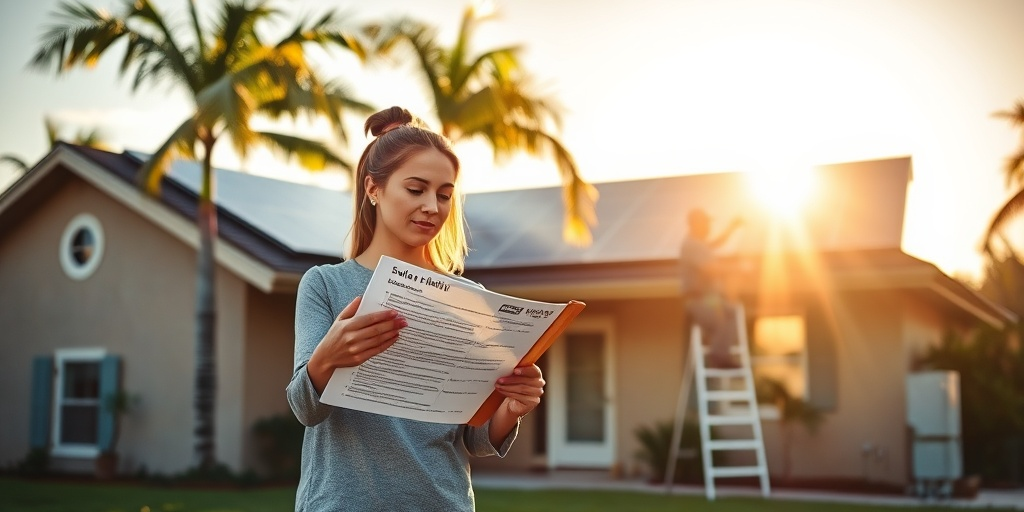
In 2025, Florida homeowners will face escalating energy costs that could burden their budgets more than ever. As the Florida sun shines bright, many are exploring solar power as a sustainable solution to cut electric bills and take charge of their energy destinies. But do you know that many new solar converts fall victim to hidden risks during installation? In our detailed guide titled, “Don’t Fall for These Solar Installation Risks That Could Cost You,” we will spotlight crucial pitfalls to avoid during your solar panel installation journey. With the average homeowner saving over $1,500 annually on energy bills after a solar installation (SEIA.org) and the sector projected to grow by 60% by 2025 (Energy.gov), neglecting these risks could have serious financial implications. Understanding the solar landscape will equip you to maximize savings and successfully transition to clean energy. In this blog, we’ll explore five key areas:
- Section 1: A deep dive into a real-life case study illustrating common installation mistakes.
- Section 2: A practical checklist to ensure a seamless installation process.
- Section 3: Myth-busting misconceptions around solar energy.
- Section 4: An overview of Florida-specific data that underscores the importance of careful planning.
- Section 5: A technical analysis of solar systems and the billing process.
Let’s empower you with the knowledge to avoid costly missteps as you embark on your solar journey!
Don’t Let Common Solar Installation Risks Cost You
Meet Laura, a Florida homeowner enthusiastic about harnessing solar energy to power her family’s home. After extensive research, she decided to take the leap, investing in solar panels to reduce her monthly electric bill, which had been steadily rising. However, as her installation date approached, Laura unknowingly fell prey to several installation risks that would haunt her for years to come.
First, she accepted two competing estimates without doing a meticulous review of the contractors’ credentials amidst the lure of short-term savings. Several months post-installation, Laura discovered inadequate wiring that led to lower energy output, costing her both savings and peace of mind. Moreover, with Florida being one of the leading states in solar adoption, with over 120,000 solar installations in 2023 alone (SEIA.org), the opportunities for misuse and misunderstandings of the installation process are higher than ever.
Don’t be like Laura. Here’s a checklist you need to ensure a smooth solar installation:
- Step 1: Research qualified solar contractors.
- Step 2: Review customer testimonials and references thoroughly.
- Step 3: Ask for detailed project proposals before signing any agreements.
- Step 4: Understand warranty offerings and maintenance plans.
- Step 5: Schedule regular system evaluations post-installation.
As we dig deeper, we’ll also unravel some of the widespread myths surrounding solar energy. With the rapid expansion of solar incentives in Florida driving the market, it is crucial to discern fact from fiction to avoid costly mistakes. Ready to transform your solar knowledge?
Essential Checklist: Guarantee a Seamless Solar Installation Experience
Before embarking on your solar journey, you must prepare comprehensively. A checklist can be a powerful tool to sidestep common pitfalls that affect many Florida homeowners. You’ll want to follow these essential steps to protect your investment and enhance your solar experience:
- Research and Compare Solar Companies: Find multiple contractors and compare their credentials, reviews, and past work. This includes checking for licenses and certifications by bodies such as the North American Board of Certified Energy Practitioners (NABCEP).
- Understand the Contract: Review your installation contract thoroughly; make sure all components like costs, timelines, and contingencies are well-defined. An unclear contract can lead to misunderstandings later.
- Verify Equipment Quality: Ensure that the panels, inverters, and batteries (if applicable) are top-tier. Selection of cheaper alternatives can lead to lower efficiency and higher long-term costs.
- Installation Guidelines: Confirm that your installer adheres to the installation guidelines specified by the manufacturer and the National Electric Code (NEC). This will prevent dangerous malfunctions down the road.
- Check for Post-Installation Support: Verify that ongoing customer support and maintenance are included in your contract. Knowing that professional help is readily available can provide peace of mind.
Learning from past mistakes is crucial in optimizing your journey toward solar energy. As Florida has more than 290 sunny days each year, ensuring optimal placement and installation guarantees maximum energy retention (SolarReviews.com). Thus, ensuring that your installation process flows smoothly will help you avoid complications in the years ahead. For more assistance, visit floridaelectricandsolar.com.
Myth-Busting: Debunking 5 Common Misconceptions About Solar Power
Before investing in solar technology, you might encounter several myths that could discourage you from making the switch. Here, we’ll dispel five of the most prevalent misconceptions:
- Myth #1: Solar panels only work on sunny days.
This is misleading; solar panels can still generate electricity on cloudy days, albeit at a reduced capacity. Even in overcast conditions, panels collect energy from diffused sunlight. Studies show they can operate at over 80% of their maximum output under these conditions (NREL.gov). - Myth #2: Solar energy isn’t worth the cost.
While the initial investment might seem steep, federal and state incentives have made solar energy more affordable than ever. Most homeowners recover their investment in less than ten years (Energy.gov). - Myth #3: Solar installations reduce home value.
On the contrary, well-installed solar panels can increase your home’s market value. In Florida, homes with solar installed can sell 4.1% more than without solar (SEIA.org). - Myth #4: You need to be off the grid to benefit from solar energy.
Grid-tied systems, which are prevalent in urban areas, allow homeowners to sell excess energy back to the grid, maximizing savings while connected (SolarReviews.com). - Myth #5: Solar panels require constant maintenance.
Actually, solar energy systems have low maintenance needs—most only require periodic cleaning and inspections.
Arming yourself with accurate information is crucial to making informed decisions about your energy future. The more you know about these common myths, the easier it becomes to see the true value of solar power. With proper education, you can confidently approach the solar installation process. Want to further explore the benefits of solar? Head to floridaelectricandsolar.com.
Florida-Specific Data: Why Careful Planning Matters
Florida’s unique environment presents both exciting opportunities and potential challenges when it comes to solar energy. As of 2023, Florida ranks third in the U.S. for solar capacity, producing over 8,700 megawatts (MW) (SEIA.org). However, the local climate, regulatory framework, and utility practices can lead to confusion around solar installation.
Understanding these factors can aid better planning and execution in your solar journey:
- Regulatory Changes: Florida’s policies around net metering have been evolving, meaning that the financial benefits of selling excess energy back to the grid frequently change. Staying updated with the latest regulations is crucial for financial forecasting.
- Incentives and Rebates: Homeowners may qualify for federal tax credits up to 26% for solar installations. However, these incentives may be reduced if reforms come in the coming years. Acting promptly is essential.
- UV Exposure: Florida’s intense sun means that panels can become less efficient if not properly maintained. Regular cleanings and inspections can help mitigate this.
- Hurricane Preparedness: Due to Florida’s susceptibility to hurricanes, choosing durable solar solutions that can withstand high winds is essential. Ensure your chosen contractor is knowledgeable about Florida’s building codes.
Each of these considerations affects how effectively solar panels will operate at your property. By integrating this knowledge into your planning, you can maximize your solar experience and ensure that your system contributes positively to both your life and the environment. Embrace solar energy wisely!
Next Steps for Florida Solar Buyers in 2025
Your adventure into solar energy should be rewarding and financially sound. Follow these actionable steps to lay the groundwork for your solar installation:
- Step 1: Audit Your Electric Bill.
Review your past energy bills to assess your average monthly usage and costs, which will inform your solar capacity needs. - Step 2: Research Solar Options.
Learn about the various solar technology types, such as grid-tied vs. off-grid systems and battery storage solutions. Consider what best suits your needs. - Step 3: Connect with Qualified Installers.
After gathering information, reach out to multiple installers to obtain quotes, evaluate their solutions, and analyze their reputation. - Step 4: Secure Financing Options.
Explore available financing options, such as solar loans, leasing, or cash purchasers, to determine what aligns best with your financial situation. - Step 5: Schedule Installation.
Once you have selected your solar company, schedule a date for installation. Ensure that your panels are positioned optimally to capture sunlight.
The transition to solar energy can empower you to reduce your electric bills dramatically and enhance your home’s value. As the energy landscape continues to evolve, staying proactive will ensure that you aren’t caught off-guard when making your solar investment. Ready to start your solar journey in 2025? Connect with a certified expert at floridaelectricandsolar.com today.
The importance of understanding solar installation risks cannot be overstated. This essential knowledge, paired with actionable steps, will safeguard your investment as you transition to a cleaner energy source. Don’t let the potential pitfalls of solar deter you from making a sustainable decision for your home and your family’s future. Remember, when it comes to adopting solar energy, knowledge is power, and every step you take today can yield substantial benefits tomorrow.
Related Articles
More insights about Solar Installation

Flat Roof Solar Mounting in Florida: A Complete Installation Guide

Myth: Solar Installations Don’t Qualify for Federal Tax Credits

Warning: Don’t Fall for These Solar Installation Scams
Ready to Go Solar?
Have questions about solar energy? Our experts are here to help you make the switch to clean, renewable energy.