
Don’t Fall for These Solar Panel Installation Scams
Share:
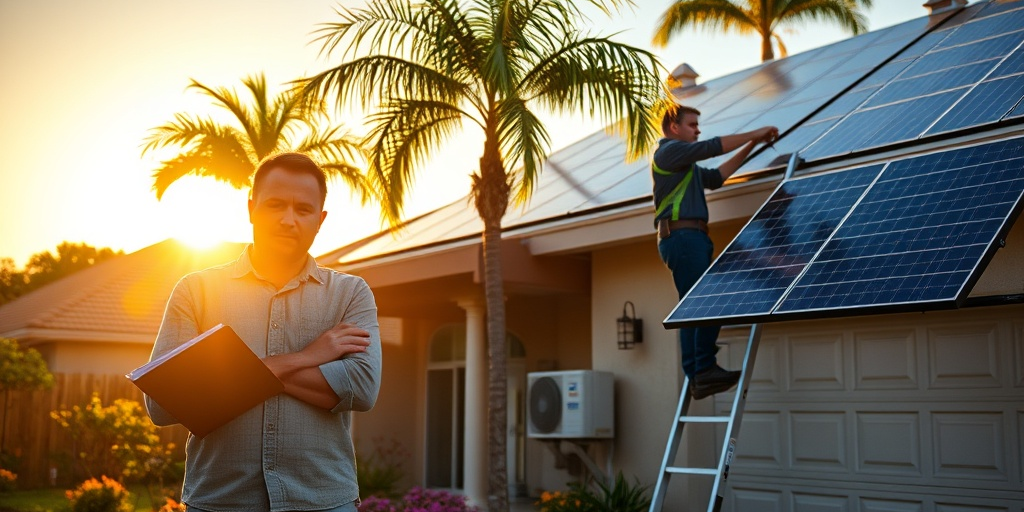
When it comes to solar power, did you know that over 50% of U.S. homeowners consider installing solar panels? With rising electricity costs set to increase by approximately 4% per year through 2025 and federal incentives like the solar tax credit scheduled to decrease, the time to act is now. However, as you explore your solar options, be vigilant because not all solar panel installation companies have your best interests at heart. This is why it is crucial to understand, “Don’t Fall for These Solar Panel Installation Scams.” In 2022 alone, cases of solar scams reported to the Federal Trade Commission exceeded 1,000—double the number from the previous year. As more Florida homeowners consider going solar, the potential for misinformation and questionable practices increases. In a landscape where the right choice can lead to significant savings, spotting a scam can feel overwhelming. In this blog, we will discuss five vital sections to ensure you navigate the solar landscape wisely: a gripping case study, a practical checklist to identify scams, myth-busting common misconceptions, a Florida-focused analysis of local scams, and a technical deep dive into the solar installation process.
Case Study: A Cautionary Tale of a Florida Homeowner
Meet Ashley, a Florida homeowner excited to reduce her soaring energy bills and lessen her environmental impact by choosing to go solar. After researching online, she received an unsolicited call from a company claiming they could install premium solar panels at a fraction of the market cost. The salesperson was persuasive, mentioning that solar price forecasts indicate a spike in installation costs due to supply chain issues (SEIA.org). Lured by the attractive pitch and the promise of saving thousands at a lower income tax burden, Ashley signed a contract without thoroughly vetting the company. The installation was plagued with delays, communication issues, and ultimately completed with subpar equipment. What Ashley thought would be a boon turned into a financial burden she never envisioned.
Ashley’s story is a stark reminder of the potential pitfalls awaiting unsuspecting solar energy enthusiasts. Experts recommend researching at least three different companies before making a decision. In 2023, Florida homeowners are projected to save an average of $885 annually on energy costs through solar (SolarReviews.com), but these benefits can easily vanish if you fall victim to a scam.
- Be Thorough: Spend time researching your options and comparing quotes. Websites such as floridaelectricandsolar.com can help consumers find reliable providers in Florida.
- Check Reviews: Online platforms do provide interactivity where verified homeowners can share their experiences and allow you to distinguish between legitimate companies and sham services.
- Consult Energy Experts: Professional consultants can provide tailored advice that may prevent scams from affecting your investment.
Today, with rising scams in the solar market, which have surged by 4% in 2022 (FTC.gov), it’s more important than ever to learn how to protect yourself and your money. Next, we will explore a solid checklist that can help you identify telltale signs of a potential scam.
Your Essential Checklist: 5 Steps to Identify Solar Panel Installation Scams
When considering a solar panel installation for your home, it’s crucial to remain vigilant and informed. To safeguard your investment, follow this helpful checklist to detect and deter potential scams before they ensnare you:
- Step 1: Research Company Credentials
- Step 2: Compare Quotes
- Step 3: Watch for Pressure Tactics
- Step 4: Investigate Post-Installation Support
- Step 5: Verify Customer Reviews
Always verify if the company has the necessary licenses and insurance to operate in Florida. A legitimate solar provider will be transparent about their certifications and professional affiliations, such as those with the Florida Solar Energy Industries Association (FSEIA).
Don’t settle for the first quote you receive. Obtain estimates from at least three contractors, ensuring you understand what is included in the price. For example, quotes should cover the system costs, installation procedures, warranties, and maintenance.
Be wary of high-pressure sales tactics. If a salesperson insists you must make a hurried decision or implies government incentives are only available for a limited time, it’s a red flag that it could be a scam.
Post-installation support is vital in solar systems. Check if the company offers maintenance plans and repairs. Companies that disappear after installation are likely scamming you.
Research customer feedback. Positive testimonials and well-managed digital profiles often reflect a trustworthy installer. Beware of multiple negative reviews or lacking online presence.
Utilizing this checklist enables homeowners to evaluate their options and make informed decisions, reducing the risk of falling prey to scams. To further shield yourself from potential issues, it’s wise to familiarize yourself with common myths about solar energy.
Myth-Busting: 5 Common Misconceptions About Solar Panel Installations
Understanding the solar landscape in Florida requires debunking common myths that may cloud your judgment:
- Myth #1: All Solar Panels are the Same
- Myth #2: Solar Energy is Too Expensive Upfront
- Myth #3: Solar Panel Installation is Complicated
- Myth #4: Solar Panels Require a Lot of Maintenance
- Myth #5: You Can’t Install Solar Panels on a Shady Property
While many products exist, not all solar panels possess the same efficiency, warranty, or durability. Investing in reputable brands yields higher returns.
With many financing options and incentives available, including the federal solar tax credit, initial costs are often outweighed by long-term savings.
Professionals streamline the installation process. A typical solar project can be completed in one to three days, efficiently managed by seasoned technicians.
Solar systems need minimal maintenance—typically cleaning panels a couple of times a year and checking for debris. Routine monitoring is necessary but not as burdensome as imagined.
While solar efficiency can be impacted by shade, advancements in technology have improved the potential for shaded roofs to still produce energy by using micro-inverters or optimizing layout.
As awareness grows in 2025, it’s essential to debunk these myths to make informed decisions. By understanding the facts behind solar energy, you’ll protect yourself and ensure it becomes an asset instead of a burden. The focus now shifts toward local data highlighting specific scams targeting Florida homeowners.
Florida Solar Landscape: Know Your Local Scams
Many Florida homeowners are keen to make the switch to solar, especially in light of the state’s abundant sunlight and extensive incentive programs. However, this desirability also attracts unscrupulous individuals looking to exploit homeowners. Understand the local dynamics to protect yourself:
- Case Example: Many homeowners have reported contractors asking for upfront payments for non-existent services. Such practices have left individuals without panels and out thousands of dollars.
- License Check: Confirm that potential contractors maintain a valid contractor’s license at the Florida Department of Business and Professional Regulation (DBPR).
- Local Incentives: The average savings Florida residents can achieve stands at 70% over 20 years (Energy.gov), but unauthorized companies circumvent these potential savings by misrepresenting financial benefits.
While many legitimate companies provide solid options, understanding the landscape can save Florida homeowners heartache. Given that over 80% of solar scams reported to the National Renewable Energy Laboratory (NREL.gov) were due to aggressive promotional tactics, the best defense is information. This leads us into the technological component of solar energy, focusing on the necessary elements a consumer should understand.
Technical Deep-Dive: What You Need to Know About Solar Technology
When you consider going solar, understanding the components involved is crucial in avoiding scams. Here’s a look into the technology that powers your solar energy system:
- Solar Panels: These are the most visible elements of your installation. Choose high efficiency and durable options to maximize energy production.
- Inverters: Converting the DC electricity generated by the panels into usable AC electricity is essential. Research the type of inverter you’ll require—string inverters, micro-inverters, or power optimizers based on your roof design.
- Batteries: If you’re interested in energy independence, consider a battery system for storing excess energy generated during the day. The technology has advanced significantly, allowing greater flexibility in usage and savings.
- Monitoring Systems: Investing in monitoring technology can help homeowners track energy production and consumption. Understanding these metrics helps you maximize efficiency and direct more savings to your electric bill.
- Billing Structures: Grasping how your utility company bills you can make a difference in your savings. Understanding net metering is critical so you know how to capture credits for the energy you send back into the grid.
Additionally, Florida is one of the states where solar cost savings are projected to reach upwards of $30,000 over a system’s lifetime (DSIREUSA.org). Knowing these components and how they interact makes it less likely for scammers to mislead you about your investment. As we look towards 2025, let’s focus on crafting an action plan to take control of your solar health.
Next Steps for Florida Solar Buyers in 2025
As you arm yourself with knowledge and navigate your way toward solar success, consider these essential steps to safeguard against potential scams:
- Step 1: Audit Your Electric Bill
- Step 2: Understand Available Incentives
- Step 3: Utilize Online Tools
- Step 4: Seek Multiple Energy Quotes
- Step 5: Engage with Experts
Evaluate your energy consumption and costs to estimate the savings you could achieve with a solar energy system. Track your monthly electric bill for at least a year for optimal data.
Research state and federal incentives that you can leverage to minimize initial costs. The federal solar tax credit allows you to deduct 30% of the installed cost from your federal taxes until the end of 2025.
Make use of online calculators that estimate your potential solar energy output based on your location, roof characteristics, and system size.
Send requests for proposals to several providers, comparing their offerings while verifying their licenses and customer feedback to differentiate reputable companies from scams.
Contact a solar consultant for an expert assessment of your property. Platforms such as floridaelectricandsolar.com provide valuable insights into potential contractors, products, and trends.
By following this action plan, you enhance your chance of finding a trustworthy solar company while ensuring your investment leads to both savings and energy independence. As the solar landscape evolves, committing to your informed solar journey is essential.
In conclusion, navigating the solar installation market in Florida requires diligence, knowledge, and proactive measures. The urgency to install solar systems is heightened in 2025 due to rising energy costs, expiring incentives, and the growing prevalence of scams. Recapping the information covered, we explored a cautionary tale, key identification techniques for scammers, common myths, state-specific issues, and actionable steps for potential buyers. Solar energy presents a remarkable opportunity for financial savings and environmental benefits, but consumers must remain vigilant and informed to seize the benefits. Ready to start your solar journey in 2025? Connect with a certified expert at floridaelectricandsolar.com today.
Related Articles
More insights about Solar Panel

Florida Homeowners: Why Solar Panel Maintenance Is Essential

7 Essential Steps for Solar Panel Installation Success

Expert Insights: Key Factors Influencing Solar Panel Lifespan
Ready to Go Solar?
Have questions about solar energy? Our experts are here to help you make the switch to clean, renewable energy.