
Don’t Fall for These Solar Scams to Avoid
Share:
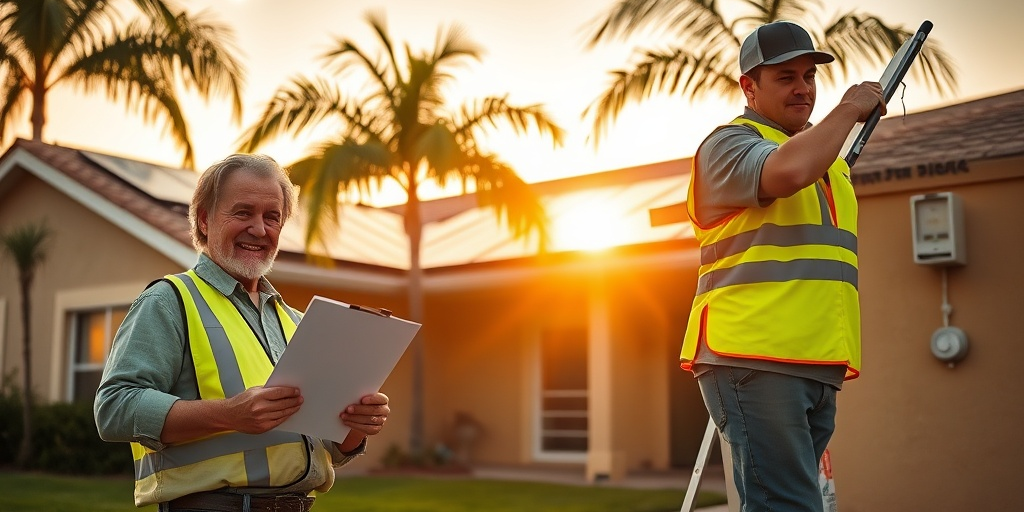
In Florida, the sun shines bright—both literally and metaphorically. With over 300 sunny days a year, it’s no wonder that the Sunshine State has emerged as a haven for solar power enthusiasts. But with this burgeoning interest in solar energy comes an unfortunate reality: scams. Homeowners eager to cut their electric bills and utilize clean energy often fall victim to misleading information and unscrupulous vendors. In fact, a stunning 74% of Florida residents are unsure about reputable solar installation companies (SolarReviews.com), which is why it’s essential to stay informed. That’s why today’s discussion, titled “Don’t Fall for These Solar Scams to Avoid,” is crucial now more than ever. As we approach 2025, new solar incentives, rising energy costs, and increased awareness of climate change are pushing more Floridians to consider going solar. However, understanding the landscape is equally essential to maximize your benefits and safeguard your investments.
In this comprehensive guide, we’ll explore five crucial sections: a deep dive into real-life scams homeowners have faced, actionable checklists to ensure safe solar purchasing, myths that need debunking, a local focus on Florida statistics, and a technical deep-dive into the components of solar energy systems. By the end, you’ll be equipped with the necessary tools to navigate Florida’s solar marketplace confidently.
Scams Exposed: What Every Florida Homeowner Should Know
Imagine the story of Sarah, a Florida homeowner who, excited by solar energy’s potential, jumped at the chance to switch after seeing an advertisement promising a 50% discount on solar panel installation. However, what she didn’t realize was that this was a classic bait-and-switch tactic. Initially enticed by a low price, she quickly found herself entangled in hidden fees and aggressive upselling tactics. In the end, not only did she miss out on genuine savings, but she also became one of the victims of the misconceptions surrounding solar panel installations.
This leads us to some critical takeaways in understanding how to protect yourself. Here’s a checklist to avoid falling victim to common scams:
- Do Your Research: Search for local companies with verified reviews. Websites such as the Better Business Bureau and Solar Reviews offer reliable customer feedback.
- Check Credentials: Ensure that the company is licensed and insured. Verified contractors offer peace of mind and trustworthiness.
- Request Multiple Quotes: Gather at least three quotes to understand average pricing. If a deal looks too good to be true, it probably is.
- Understand the Contract: Read contracts closely before signing. Look for hidden charges, vague terms, or unclear warranties.
- Beware of High-Pressure Sales Tactics: Genuine solar companies provide detailed consultations instead of pressuring you to sign quickly.
Let’s address a few myths that often lead to confusion and potential scams:
- Myth #1: “All solar panels are created equal.” In reality, technology, efficiency, and warranty vary widely among brands.
- Myth #2: “Solar installations are completely maintenance-free.” While they do require minimal upkeep, routine checks can enhance performance.
- Myth #3: “You can’t sell your home with solar panels.” Contrary to popular belief, homes with solar systems often have higher resale values (NREL.gov).
The market for solar energy in Florida is unique, with approximately 15% of households using solar panels (Energy.gov). The state has implemented several incentives like the Property Tax Exemption for residential solar systems and the Federal Solar Investment Tax Credit. Yet, many homeowners remain unaware of how to leverage these financial benefits. This local approach ensures an understanding of both risks and rewards, which is vital in the current market.
A comprehensive understanding of the technology involved is also essential. Solar panels convert sunlight into electricity using photovoltaic cells, and factors like efficiency ratings and the quality of inverters can have significant impacts on your savings over time. It’s crucial to get familiar with terms like ‘net metering,’ ‘performance-based incentives,’ and ‘warranty periods’ before making a decision. By knowing the technicalities, you place yourself in a more resilient position against scams and misinformation.
As you digest this information, it’s evident that navigating the solar landscape requires diligence and knowledge. In the next section, we’ll delve deeper into the secondary concept of making informed decisions about your solar investment.
Your Must-Have Checklist for Avoiding Solar Scams
Step 1: Educate Yourself—Start by reading up on common solar terminologies and current market trends. Knowledge is power!
Step 2: Ask the Right Questions—Get acquainted with your potential solar providers and inquire about their experiences, warranties, and customer service. A reputable company should welcome such questions.
Step 3: Verify Financial Options—Inquire about financing options that suit your needs. There should be no pressure to make a hasty financial decision; transparency regarding costs is crucial.
Step 4: Evaluate Company Certifications—Look for certifications like NABCEP (North American Board of Certified Energy Practitioners) as a mark of professionalism.
Step 5: Conduct a Final Review—Before signing on the dotted line, do a last-minute check of the contract terms and ensure everything is satisfactory.
By following these steps carefully, you can drastically lower the likelihood of falling victim to solar scams. A study indicated that true savings can be significantly hampered by poor contractor choices (SEIA.org). Therefore, take the necessary time to research prospective vendors.
If you have any doubts or require additional assistance in evaluating solar options, consider reaching out to floridaelectricandsolar.com for expert guidance.
5 Expert Solar Installation Tips for 2025
Don’t just settle for any solar installation—ensuring you make the right choice is imperative. Here are 5 expert tips designed to empower you in your journey:
- Don’t Neglect Panel Placement: Proper placement of solar panels is crucial for optimizing sunlight access. The roof’s orientation and angle significantly influence efficiency.
- Invest in Quality Products: Cheap isn’t always best. Prioritize reputable brands and warranties for solar panels and inverters, as they can enhance functionality and longevity.
- Understand Your Energy Needs: Conduct an energy audit of your home to determine how much power you require. Tailor your solar system to meet these specific needs.
- Consider Storage Solutions: Battery storage, such as the Tesla Powerwall, allows you to save excess energy generated during the day for use at night.
- Stay Informed About Local Regulations: Florida regulations can evolve; stay ahead by keeping tabs on policy changes affecting solar energy.
With careful planning, you can ensure that your solar system works optimally from day one. Potential cost savings on your electric bills can amount to thousands over the system’s lifetime. In fact, homeowners can save up to 30% on their electric bills with proper solar installations (DSIREUSA.org). This makes every moment spent gathering information invaluable.
Before we wrap it up, let’s expand on a homeowner’s realistic journey with solar energy in Florida.
A Fictional but Realistic Florida Homeowner’s Solar Journey
Meet Tom, a lifelong Florida resident who was initially skeptical about solar energy. Inspired by rising energy bills, he decided to do research one rainy afternoon. Tom was surprised to discover that local and federal incentives could make solar more affordable than he thought.
Over a couple of weeks, he educated himself by visiting local workshops, engaging with certified installers, and asking questions on community forums. Here are a few takeaways from Tom’s journey:
- Seek Local Expertise: Tom found community-focused solar companies more receptive to answering his concerns.
- Understand the Payback Period: He learned that the typical return-on-investment for solar in Florida could be as quick as 5 years, which made him optimistic.
- Don’t Rush the Decision: By taking his time, he found the best financing options and avoided common scams that could have confused him.
- Monitor Performance: After installations, Tom utilized apps to monitor energy production and connected directly with the installer for maintenance queries.
By the end of his journey, Tom was not only saving money but actively contributing to a cleaner environment. Lindy, his neighbor who had jumped into solar without crediting the previous advice, was facing issues with faulty panels and exorbitant fees—proof that thorough preparation pays off.
Tom’s story illustrates how essential it is to approach solar energy with knowledge and caution. Next, we transition to crafting an effective action plan for Florida solar buyers as we gear up for 2025.
Next Steps for Florida Solar Buyers in 2025
The road to solar energy should not be fraught with complexity or anxiety. Here are actionable steps you can take:
- Step 1: Audit Your Electric Bill: Go through past electric bills to understand how much you are currently spending. This information can help you calculate anticipated solar savings.
- Step 2: Research Local Installer Options: Utilize online platforms to find customer reviews on local solar providers, verifying their authenticity.
- Step 3: Schedule Site Surveys: Invite several companies for site assessments. Good installers should provide personalized consultations after carefully evaluating your specific situation.
- Step 4: Review Financial Incentives: Make sure that you know the current incentives. Confirm that the company can guide you in securing these benefits.
- Step 5: Make an Informed Decision: Weigh all gathered information and choose a solar provider that aligns with your budget, preferences, and long-term goals.
By following these steps, you’ll significantly reduce your risk of scams while ensuring you select a solution that best suits your energy needs. With growing interest in solar energy, 2025 is set to be a pivotal year for those aiming to adopt solar solutions in Florida.
As we conclude this crucial guide titled “Don’t Fall for These Solar Scams to Avoid,” it’s clear that knowledge is your best defense against confusion and scams. With rising electric bills and heightened awareness of the benefits of solar energy, now is the time to step boldly into the future.
Ready to start your solar journey in 2025? Connect with a certified expert at floridaelectricandsolar.com today.
Related Articles
More insights about Solar Scams

Warning: Don’t Overlook These Solar Scams to Avoid

Don’t Miss This Critical Alert About Solar Scams

Don’t Ignore These Critical Solar Scams to Avoid
Ready to Go Solar?
Have questions about solar energy? Our experts are here to help you make the switch to clean, renewable energy.