
Don’t Fall for These Solar Scams That Could Cost You Money
Share:
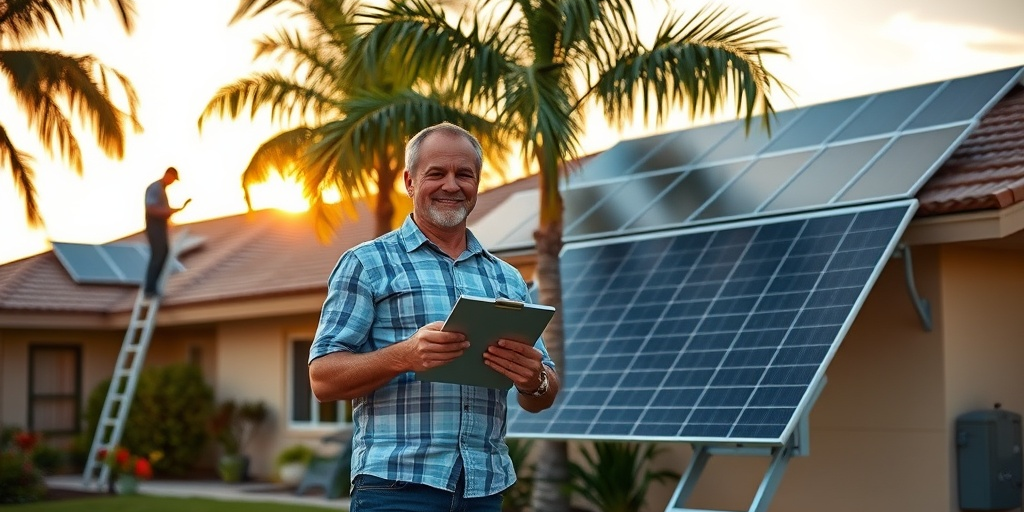
As more homeowners seek to harness solar energy, the industry has seen a surge in both opportunity and vulnerability. The National Renewable Energy Laboratory reported a staggering 50% increase in solar installations across the U.S. last year alone (NREL.gov). However, with great opportunity comes the potential for great pitfalls, particularly in an evolving market such as Florida’s. As the saying goes, “If a deal seems too good to be true, it probably is.” As we step further into 2025, it’s crucial for homeowners and commercial property owners to be aware of common scams that can jeopardize their financial investment in solar energy. In this comprehensive guide, titled Don’t Fall for These Solar Scams That Could Cost You Money, we will outline the top solar scams prevalent today, provide actionable steps to safeguard your investment, and arm you with knowledge to make informed decisions. You’ll learn why the urgency surrounding this topic is heightened in 2025 due to potential new state regulations and incentives for solar energy usage, as well as escalating energy prices. The sections that follow will detail a case study, a careful checklist, myth-busting realities, local insights into Florida’s solar market, and technical deep dives into policies you need to know. Let’s embark on this journey together and make your transition to solar both fruitful and secure.
Understanding Florida’s Solar Landscape: The Risks of Scams
In 2023, Florida became the third-ranked state in the U.S. for total installed solar capacity, proving its viability as a solar powerhouse (SEIA.org). However, as interest in solar energy grows, so does the number of untrustworthy companies looking to exploit this burgeoning market. Consider the story of a Florida homeowner, Maria, who was excited to reduce her energy bills with solar panels. She received numerous calls from aggressive salespeople promising “free solar panels” and “huge savings.” Eager to jump on the trend, Maria signed a contract without proper research. Weeks later, she discovered hidden fees that doubled her installation costs and, worse, learned that her panels were substandard, contributing to inefficiencies.
By leveraging Maria’s story, we can explore how to avoid the costly pitfalls many homeowners face as they navigate the solar market. To protect yourself, we’ve put together a checklist of actionable steps you can take.
Solar Scams Checklist: Protect Yourself
To ensure you’re taking the right steps towards a safe solar investment, here’s a concise checklist to help you on your journey:
- Step 1: Research Solar Companies
Don’t rush your choice. Thoroughly investigate potential solar companies by checking their online reviews, BBB ratings, and their history of customer complaints. - Step 2: Ask for References
Reputable companies will have satisfied customers willing to share their experiences. Don’t hesitate to ask for references. - Step 3: Understand Your Contract
Read and understand the entire contract, paying extra attention to termination clauses, warranties, and hidden fees. - Step 4: Consult with Local Authorities
Check with local Florida energy regulations and incentives, as some scams manipulate the confusion around these policies. - Step 5: Get Multiple Quotes
Never settle for the first quote you receive; compare multiple offers to avoid being upsold on unnecessary features.
By following this checklist, you can minimize your exposure to risks and maximize your solar savings investment. Florida homeowners should remain cautious and consider consulting experts. For detailed assistance, visit floridaelectricandsolar.com to connect with certified professionals.
Myth-Busting Solar Myths that Can Cost You
As the solar market evolves, several misconceptions can steer Florida homeowners in the wrong direction. Here are the most prevalent solar myths debunked:
- Myth #1: “Solar Panels Are Too Expensive”
While the initial installation costs can seem daunting, tax incentives and rebates often mitigate these expenses significantly. In fact, installations in 2022 saw an average return on investment of over 20% (Energy.gov). - Myth #2: “All Solar Companies Offer the Same Deals”
This is a common misunderstanding. In reality, solar providers vary in pricing, service quality, and panel efficiency, meaning researching your options is crucial. - Myth #3: “Once Installed, I Don’t Have to Think About My Solar Panels Again”
Regular maintenance and monitoring are essential for optimal performance. Neglecting this can lead to diminished energy output and higher costs down the line. - Myth #4: “The More Panels, the Better”
More panels can lead to higher output, but improper installation can negate those benefits. Prioritize quality over quantity when making your solar selection. - Myth #5: “Solar Panels Don’t Work in Bad Weather”
While performance can dip during heavy storms or hurricanes, modern solar panels are built to withstand the Florida weather, and energy generation can still occur in cloudy conditions.
Understanding these myths can save you from costly mistakes. Empower yourself with factual information and engage with reputable solar service providers to unlock the full potential of solar energy in Florida.
Local Insights into Florida’s Solar Policies and Incentives
As a Florida homeowner, being aware of state-specific regulations is key to making informed decisions about your solar investment. The Florida Public Service Commission is actively promoting solar energy, and as a result, several incentives are available:
- Net Metering: Customers can receive credits for the surplus energy their solar panels send back to the grid, significantly reducing electric bills over time.
- Property Tax Exemption: Solar installations are exempt from property taxes, making it financially easier to invest in solar technology.
- Sales Tax Exemption: The installation costs for solar energy systems are exempt from the state’s sales tax, leading to direct savings on upfront costs.
- Solar Rebate Program: Though funding fluctuates, Florida residents can benefit from rebates that offset installation costs, especially for higher-efficiency panels.
- State and Local Incentives: Many cities offer additional grants or financial assistance for solar installations to promote cleaner energy use.
Understanding these policies can simplify your solar transition and help you avoid scams. Take advantage of the benefits offered by Florida’s proactive stance on renewable energy, and always verify any claims made by solar installers against official local resources.
The Technical Side of Solar: Understanding Your Investment
As you navigate the solar installation process, it’s essential to understand the technical aspects that can impact your investment. Here are some key areas to focus on:
- Solar Panel Types: Different panels have varied efficiencies and costs. Monocrystalline panels offer the highest efficiency but at a premium price. Polycrystalline and thin-film are more budget-friendly options but may offer lower output.
- Inverter Systems: The inverter converts the DC electricity generated by your solar panels into AC electricity for home use. Choose a reliable inverter to minimize maintenance costs and maximize performance.
- Battery Storage: Consider investing in battery storage solutions to ensure you have access to energy during power outages. These systems can also optimize your energy use by storing excess energy generated during peak sunlight.
Evaluate these components carefully, as they influence both the cost and effectiveness of your solar system. Understanding the technology allows you to make well-informed choices and steer clear of potential scams. Connect with local experts to guide you through the process. Visit floridaelectricandsolar.com for personalized advice tailored to your needs.
Next Steps for Florida Solar Buyers in 2025
Now that you’ve learned about the risks and intricacies of the solar landscape, take the next steps to initiate your solar journey:
- Step 1: Audit Your Electric Bill
Analyze your current energy consumption to understand how much you can save with solar power. - Step 2: Research Reputable Solar Installers
Compile a list of installations, focusing on reviews and ratings. Contact at least three different companies for quotes. - Step 3: Schedule Consultations
Meet with potential solar providers to discuss options, warranties, and maintenance agreements. Don’t rush the decision; building a relationship with your installer matters. - Step 4: Explore Incentives
Investigate local and state incentives available to you and factor these into your decision-making process. The more savings, the better! - Step 5: Make an Informed Decision
Consider all factors discussed to make a choice that fits your needs. Ensure you’re well-informed about your contract before signing.
With these steps, you can navigate potential scams and focus on making wise investment choices in solar energy. The time to act is now—don’t let misinformation hinder your opportunity to save money and embrace clean energy sources!
In conclusion, your shift toward solar energy should be an empowering journey, not a frightening one filled with potential scams. As Florida’s solar landscape continues to evolve, equipping yourself with knowledge is paramount. The allure of solar energy is undeniable, promising savings, sustainability, and independence. Use this guide to remain vigilant against scams that could cost you money. The decisions you make today will impact your home’s energy future, and every action counts!
Ready to start your solar journey in 2025? Connect with a certified expert at floridaelectricandsolar.com today.
Related Articles
More insights about Solar Scams

Warning: Don’t Overlook These Solar Scams to Avoid

Don’t Miss This Critical Alert About Solar Scams

Don’t Ignore These Critical Solar Scams to Avoid
Ready to Go Solar?
Have questions about solar energy? Our experts are here to help you make the switch to clean, renewable energy.