
Don’t Fall for These Solar Scams That Could Cost You
Share:
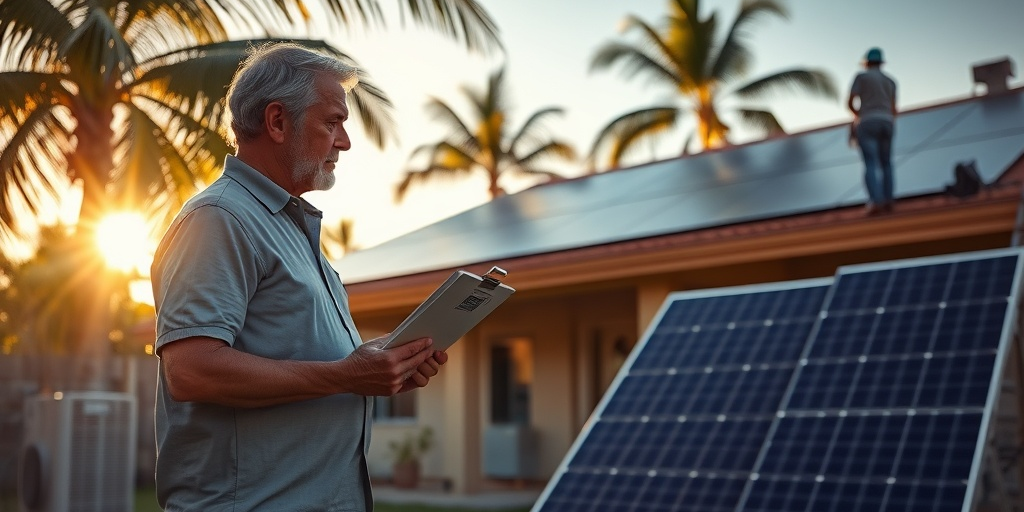
As we step into 2025, the landscape of energy consumption is changing rapidly, and Florida homeowners are finding themselves at the crossroads of opportunity and danger. Did you know that more than 30% of Floridians are considering solar systems for their homes? Yet, despite this immense potential, many individuals are oblivious to the hidden scams lurking in the solar industry. These scams can lead to exorbitant costs, unsatisfactory installations, and perpetual frustrations. In this comprehensive guide titled Don’t Fall for These Solar Scams That Could Cost You, we will explore how to protect your investment against deceptive practices. According to a report from the Solar Energy Industries Association, the cost of solar installation is expected to increase by 5% in 2025 due to supply chain constraints (SEIA.org). Moreover, the Florida Public Service Commission has identified a concerning rise in complaints regarding unscrupulous solar sales tactics. This makes it vital for homeowners to remain vigilant. This blog post will cover the following crucial sections: the real dangers of solar scams, practical steps to avoid them, widespread myths surrounding solar energy, best practices for going solar, and an actionable plan for potential solar buyers. Strap in as we navigate the murky waters of solar investments in Florida.
Understanding the Real Dangers of Solar Scams in Florida
As renewable energy sources thrive, so too do the scams targeting unsuspecting homeowners. Consider the story of Maria, a dedicated Florida nurse, looking to reduce her carbon footprint and save on energy costs. She eagerly approached a local solar company, searching for assistance with her installation. What she thought was a legitimate business turned out to be a façade, resulting in shoddy installation practices and hidden fees. By the time Maria realized she was the victim of a scam, her dream of having solar power had turned into a nightmare. This is not an isolated incident; many Florida residents face similar situations.
If you’re considering switching to solar, here are five actionable steps you can take to avoid being victimized by solar scams:
- Do Your Research: Before signing any contracts, always perform due diligence on the companies you’re evaluating. Look for customer reviews, ratings, and past installation portfolios.
- Get Multiple Quotes: Don’t settle for just one proposal. Gather at least three estimates from different providers to compare pricing and terms. This practice can uncover hidden fees that may not be obvious at first glance.
- Check for Licenses and Certifications: Verify that contractors are not only licensed but also certified by industry standards. The North American Board of Certified Energy Practitioners (NABCEP) sets rigorous standards that reputable installers follow.
- Understand Financing Options: Beware of predatory loan practices that may lead to inflated interest rates. Choose transparent financing options from established lenders.
- Get Everything in Writing: Never agree to anything verbally. Ensure all agreements are documented clearly, outlining every fee, warranty, and condition.
Disregarding these steps can lead to significant financial losses. In fact, customers who fall victim to solar scams can lose upwards of $30,000 on average (FloridaConsumerHelp.org). Let’s break some common myths about solar energy to shed light on the misconceptions that feed these scams.
Debunking Common Myths Surrounding Solar Energy
Many myths circulated in casual conversation or even in advertising can perpetuate the fears of solar energy. Here are five common misconceptions to dismiss:
- Myth #1: Solar Energy is Too Expensive. Contrary to this belief, solar costs have plummeted over 70% in the past decade, making solar systems more affordable than ever (SolarReviews.com).
- Myth #2: Solar Panels Do Not Work in Cloudy Weather. In reality, solar panels collect energy from both sunlight and light scattered by clouds, ensuring efficiency even on overcast days.
- Myth #3: You Can’t Get Tax Credits for Residential Installations. As of 2025, homeowners in Florida can still benefit from the Federal Investment Tax Credit (ITC), allowing them to deduct 26% of the installation cost from their federal taxes.
- Myth #4: Solar Panels Require Constant Maintenance. Most systems require minimal to no maintenance, thanks to durable materials and self-cleaning technology.
- Myth #5: Leasing is Always Better than Buying. This is not true. While leasing requires lower upfront costs, buying can provide substantial long-term savings and tax benefits.
As these myths are dispelled, it’s crucial to focus on Florida-specific regulations and guidelines that shape the solar landscape, ensuring that you approach solar installation with knowledge rather than fear.
Best Practices for Solar Installation in Florida
Equipped with the right information, homeowners can take proactive measures to safeguard their investments. If you’re contemplating a solar system installation, consider these five expert tips:
- Choose the Right Time for Installation: Florida’s sunny climate is perfect for solar. However, aim to install your system in the dry season (November to April) to ensure optimal energy output and avoid potential weather delays.
- Focus on Quality Over Price: Although it may be tempting to select the cheapest option, investing in high-quality panels and equipment will yield better returns and longevity.
- Placement of Solar Panels Matters: Proper orientation and positioning can mitigate shading issues, maximizing your panel’s efficiency and energy output.
- Understand Warranty Terms: Always read the fine print on warranties. A quality installation usually comes with a warranty covering both the panels and labor for an extended period.
- Consider Battery Storage Options: Pairing your solar system with energy storage solutions can make your home more self-sufficient and resilient against grid outages.
By following these best practices, you can not only avoid potential scams but also enhance your solar experience. Let’s dive deeper into the narrative of Florida homeowners transitioning to solar energy.
A Florida Homeowner’s Journey to Solar: A Cautionary Tale
Meet John and Lisa, a couple living in Orlando who decided to invest in solar power. Encouraged by rising electricity bills and a desire to contribute to environmental sustainability, they began their search for a solar company. After evaluating multiple firms, they fell for a flashy advertisement that promised no upfront costs. They signed a contract without reading the details closely and soon discovered they were locked into an expensive financing plan.
The couple’s journey took a turn for the worse when they realized their solar panels were failing to perform as promised. The misleading sales tactics used by the company resulted in unexpected costs and installation issues. However, through diligent research and consultations with online resources, John and Lisa were able to navigate out of their predicament. They sought a reputable installer who honored their warranties and reconfigured their systems for optimal efficiency.
Here are several lessons learned from John and Lisa’s experience:
- Beware of companies offering unrealistic guarantees without clearly defined terms.
- A well-reviewed local solar company is often more reliable than larger firms with national promotions.
- Investing time in thorough research can prevent costly mistakes later on.
Solar energy installations bring transformative benefits but can also lead to complex challenges. Understanding the potential pitfalls can empower homeowners to make informed, confident decisions. As you consider going solar, let’s transition into an actionable plan for potential buyers.
Next Steps for Florida Solar Buyers in 2025
With the knowledge of how to avoid solar scams, here are your next steps to assume control of your energy destiny:
- Audit Your Electric Bill: Review your recent bills to evaluate your energy consumption. This will give you insight into what power levels you might need from a solar installation.
- Research Local Incentives: Explore state and federal incentives such as the Federal ITC to maximize your financial benefits.
- Identify Solar Options: Determine whether you prefer outright purchases, financing options, or leasing arrangements. Each has different implications for ownership and savings.
- Consult Reputable Contractors: Seek out and consult at least three contractors to obtain quotes and discuss your needs and preferences.
- Finalize the Decision: Once all information is gathered, make an informed decision and ensure all contracts are read fully before signing.
By taking these steps, you are not only reducing friction but also ensuring that your solar journey is designed to succeed. Success means financial savings, energy independence, and contributing positively to the environment.
As we conclude this extensive exploration of solar scams and how to avoid them in Florida, it’s pivotal to remember your responsibility as a consumer. Engaging with the solar industry should be an empowering decision, not one shrouded in uncertainty.
In this era of changing energy landscapes, remaining informed will ensure your transition to solar energy is both beneficial and rewarding. The sun offers an inexhaustible supply of energy to millions of homes, and it is our mission to ensure that you harness this potential wisely.
Ready to start your solar journey in 2025? Connect with a certified expert at floridaelectricandsolar.com today.
Related Articles
More insights about Solar Scams

Warning: Don’t Overlook These Solar Scams to Avoid

Don’t Miss This Critical Alert About Solar Scams

Don’t Ignore These Critical Solar Scams to Avoid
Ready to Go Solar?
Have questions about solar energy? Our experts are here to help you make the switch to clean, renewable energy.