
Don’t Fall for These Solar Scams: Critical Risks to Avoid
Share:
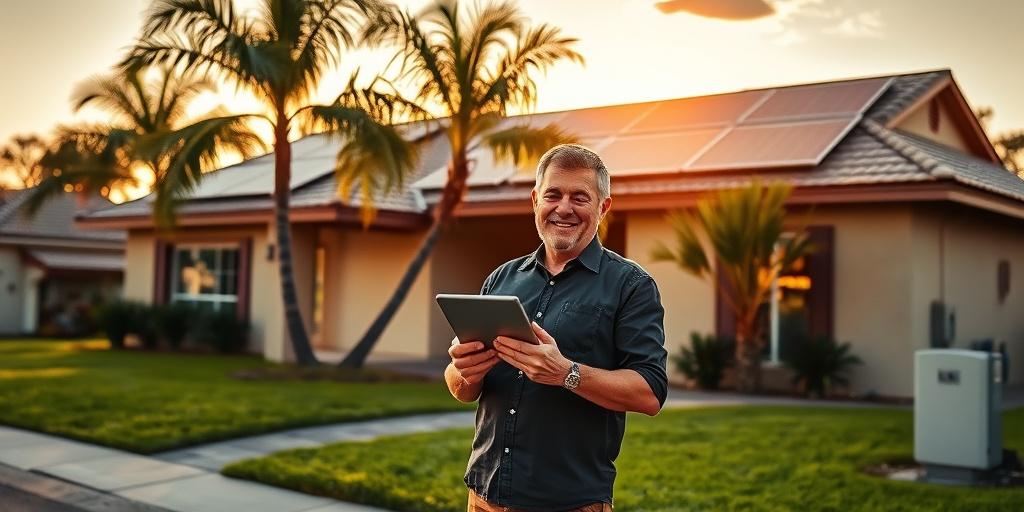
Did you know that in 2022, Florida ranked third in the nation for solar energy capacity, generating over 5,600 MW of solar power? With electricity prices expected to rise by 5-10% annually, the urgency for Florida homeowners to consider solar power is greater than ever. However, a recent study revealed that nearly 30% of homeowners who installed solar panels felt they were misled by solar companies regarding costs and savings. In light of this, it’s crucial to navigate the solar landscape carefully, as you could fall victim to scams designed to exploit hopeful homeowners eager to go green. In this article titled Don’t Fall for These Solar Scams: Critical Risks to Avoid, we will outline the essential risks you need to avoid while considering solar panel installations. In 2025, a surge of new solar incentives will make it even more important to ensure your investment is protected and legitimate. We’ll explore five major sections to guide you through this journey: a real homeowner case study, a vital checklist to safeguard your investment, common myths debunked, a focus on local Florida specifics, and a technical deep dive to understand the solar landscape better.
Learn From Others: A Case Study in Solar Installation
Meet Jessica, a Florida homeowner who eagerly signed a contract for solar panel installation after being promised lower electric bills and tax incentives. With a passion for environmental sustainability, Jessica wanted to reduce her carbon footprint and save money on her electric bill, especially given that Florida ranks as the second-worst state for homeowners’ electricity costs. Excited by the prospect of owning a piece of the clean energy revolution, she placed her trust in a solar company that had a polished website and glowing online reviews.
However, six months after installation, Jessica discovered troubling details. For starters, her electric bill had not decreased as promised. After consulting a qualified energy advisor, she realized that the system installed was much smaller than the project proposal indicated. The installer had utilized low-quality panels and failed to communicate vital information about state regulations and potential hidden fees (Energy.gov). In fact, 21% of respondents in a recent survey reported issues with their solar installation quality (SolarReviews.com). Jessica’s experience highlights the importance of choosing reputable professionals.
To help protect yourself from such a scenario, we’ve compiled a checklist of 5 vital steps to take before proceeding with solar installation:
- Research Your Solar Provider: Look for recognized certifications and customer reviews.
- Verify Licensing: Confirm that the installer holds state licensing specific to solar energy installations.
- Request Clear Estimates: Ensure you receive an itemized proposal outlining all costs associated with the installation.
- Understand Your Savings: Ask for a detailed savings projection based on your energy usage and local incentives.
- Contracts and Warranties: Carefully review all terms, warranties, and service agreements before signing anything.
When it comes to solar power, having a thorough understanding of what you’re investing in is crucial. A report from SEIA.org estimates that the market for solar panel installations in Florida will continue to grow, indicating a strong need for appropriate precautions. Protect your investment by following Jessica’s journey and proactively seeking the right information.
5 Myths About Solar Panels: Debunking the Misconceptions
Myth #1: Solar panels are only worth the investment in states with constant sunshine.
Contrary to popular belief, even areas with variable weather patterns can benefit from solar technology. Florida’s average solar insolation is about 5.3 hours per day, which is more than adequate for solar energy yield, as confirmed by the National Renewable Energy Laboratory (NREL.gov).
Myth #2: Solar energy is only for affluent homeowners.
Many people believe solar-powered systems are only viable for the wealthy, but numerous financing options and incentives exist, allowing middle-class families to invest in their solar futures and cut electric bills significantly (DSIREUSA.org).
Myth #3: Switching to solar energy means you’ll be off the grid.
While some homeowners choose off-grid systems, the majority in Florida connect to the grid, allowing them to draw power when needed and sell excess energy back through net metering, which maximizes savings.
Myth #4: Solar panel maintenance costs are prohibitive.
In reality, solar systems require little maintenance. In Florida, rain and occasional tropical storms can help keep panels clean; additionally, most manufacturers provide warranties that cover maintenance for years.
Myth #5: All solar systems are the same.
Just like any technology, solar panels come in various grades. Opting for high-efficiency panels, inverters, and battery systems can make a significant difference in energy output and reliability. Don’t underestimate the quality of components you choose for your system.
Education is vital in transitioning to solar energy. The more informed you are about these myths, the stronger you can advocate for your household’s energy independence.
5 Expert Solar Installation Tips for 2025
As the solar industry continues to evolve, keeping up with best practices in solar installation becomes paramount. Here are five expert-backed tips to ensure a successful solar installation experience:
1. Don’t skimp on panel placement: Proper orientation and angle maximize energy absorption. In Florida, panels should ideally face south for maximum sunlight exposure.
2. Prioritize warranties: Look for solar panels with longer warranty durations. Quality models often provide 25-year warranties, reflecting their durability.
3. Use a qualified installer: Verify that your contractor is certified through a reputable organization such as the North American Board of Certified Energy Practitioners (NABCEP).
4. Incorporate energy storage if possible: Consider adding batteries to your system to power your home during outages and maximize your solar savings (NREL.gov).
5. Familiarize yourself with state incentives: Florida homeowners can benefit from certain tax credits and rebates. Always check the latest offerings and regulatory changes.
Ensuring that you implement these best practices can significantly improve your solar installation outcomes. For more tips and resources, visit floridaelectricandsolar.com.
The Reality of Solar Journeys for Florida Homeowners
Let’s follow another fictional but relatable story of a family—meet the Thompsons, a family living in Orlando. Inspired by a neighbor’s successful solar installation, they decided to take the plunge in 2025, excited to embrace a cleaner energy future. They enlisted the help of a trusted installer after conducting proper research, much different from Jessica’s experience. Their journey was filled with learning and planning, but properly managed from the start yielded promising outcomes.
In anticipation of their installation, the Thompsons took several important steps:
- They evaluated their energy usage, identifying monthly electricity costs averaging $200, which they aimed to reduce significantly.
- They carefully reviewed potential provider offerings, comparing equipment warranties, financing options, and customer service reviews.
- With solar energy expected to become a $24 billion market in Florida by 2025, they remained diligent about recent policy changes (SEIA.org).
- After receiving a detailed proposal, they asked probing questions about panel performance and system maintenance.
Thanks to their due diligence, the Thompsons enjoyed lower energy bills and incentives that helped offset installation costs. Their proactive approach emphasizes how important it is for homeowners to educate themselves about the solar market. Remember, your journey to solar energy can be rewarding, but preparation is key.
Next Steps for Florida Solar Buyers in 2025
As a Florida homeowner intrigued by what solar power has to offer, it’s imperative that you take calculated steps toward making informed decisions about your solar purchase. Here’s your action plan to ensure a bright solar future:
- Step 1: Audit Your Electric Bill: Understand your energy consumption patterns and current costs to assess how much you can save.
- Step 2: Research Qualified Installers: Seek referrals and verify the qualifications of potential solar providers.
- Step 3: Acquire Multiple Quotes: Evaluate quotes from at least three providers to compare prices and offerings effectively.
- Step 4: Understand Your Financing Options: Investigate state incentives such as the Florida Power & Light incentives that could lower your initial investment.
- Step 5: Review Your Contract Thoroughly: Make sure you understand all terms and conditions before signing any agreements.
Acting on these steps will enable you to mitigate risks associated with solar purchases and maximize your long-term energy savings. You’re not alone in this journey—reach out for collaborative support at floridaelectricandsolar.com.
In conclusion, navigating the solar landscape can be daunting, especially in the wake of growing scams that aim to trick unsuspecting homeowners. By learning from real-life experiences like Jessica’s and the Thompsons’ stories, you can protect your investment and ensure a smooth transition to solar energy. The urgency to act in 2025 is clear: with rising energy costs, newly available incentives, and the need for energy independence, understanding the critical risks involved will empower you. Remember, taking the first step toward a clean energy future not only benefits your wallet but also contributes to a sustainable environment for generations to come.
Ready to start your solar journey in 2025? Connect with a certified expert at floridaelectricandsolar.com today.
Related Articles
More insights about Solar Scams

Warning: Don’t Overlook These Solar Scams to Avoid

Don’t Miss This Critical Alert About Solar Scams

Don’t Ignore These Critical Solar Scams to Avoid
Ready to Go Solar?
Have questions about solar energy? Our experts are here to help you make the switch to clean, renewable energy.