
Don’t Fall for These Solar Scams Targeting Florida Residents
Share:
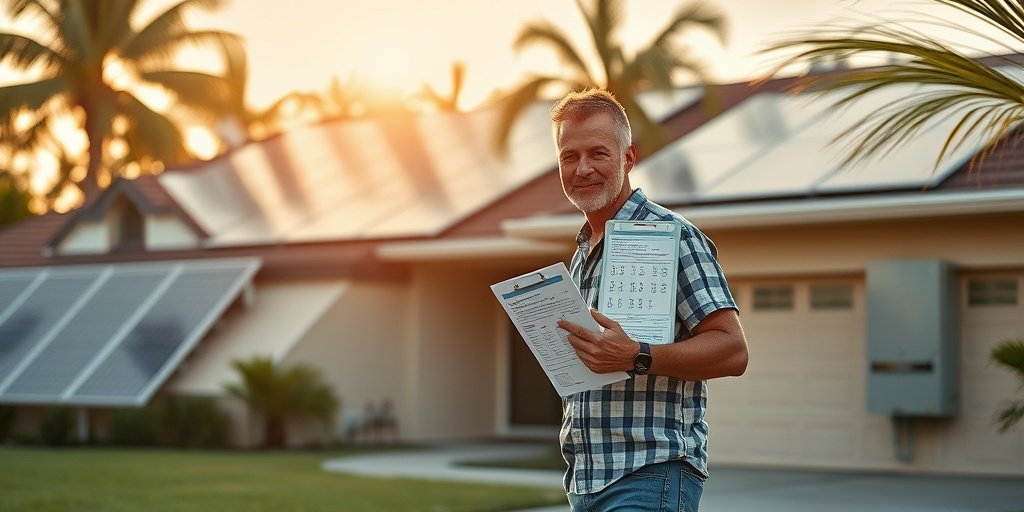
Imagine waking up one sunny Florida morning, as the golden rays flood into your home. You get ready for another day, but instead of focusing on rising electricity bills, you feel empowered and liberated because you made the switch to solar power. This scenario is becoming a reality for many Florida homeowners in 2025, but with opportunity comes risk. In this age of renewable energy, a rising tide of solar scams is targeting unsuspecting residents. In fact, according to a report by the National Renewable Energy Laboratory, fraudulent companies take advantage of the booming solar market, leading consumers to lose thousands of dollars each year (NREL.gov). So, it’s essential to educate yourself on how to protect your investments. This article—Don’t Fall for These Solar Scams Targeting Florida Residents—delves into the urgent need for vigilance in a rapidly evolving solar landscape, especially as new tax incentives and programs roll out across Florida. If you’re considering going solar, you’ll want to arm yourself with the right knowledge and understanding to navigate through the deceitful practices mushrooming in the state. Here’s what we’ll cover today: a deep dive into common scams affecting Florida residents, an actionable checklist to help you identify potential red flags, myths surrounding solar energy that are misleading consumers, best practices for choosing legitimate solar providers, and a step-by-step guide on safeguarding your solar journey. Let’s embark on a journey towards solar empowerment, ensuring you’re well-equipped to spot scams and maximize your investments in this promising energy source.
Common Solar Scams Targeting Florida Residents: What to Watch Out For
When considering solar energy, you want to make the right decisions for your home and wallet. Unfortunately, some opportunistic individuals are looking to cash in on this green revolution, leaving homeowners vulnerable to scams. For example, Jane and Mark, a couple from St. Petersburg, Florida, were sold a solar panel installation package that promised significant savings on their electric bills. They had done their homework and were excited to invest in solar energy. However, the company vanished without a trace after receiving their upfront payment, leaving them with no solar panels and a lighter wallet. This is not an isolated incident; according to the Better Business Bureau, nearly 40% of complaints in the solar industry involve fraudulent installations or deceptive sales practices (BBB.org). To avoid falling victim to such scams, here’s a checklist you can follow:
- Research the Company – Always start with verifying credentials. Look for companies with good ratings on platforms like the Better Business Bureau (BBB) or Trustpilot.
- Get Multiple Quotes – Don’t settle for the first offer. Getting at least three quotes can help you compare offerings and identify red flags.
- Ask for References – A reputable solar company should readily provide testimonials or references from satisfied customers.
- Understand the Contract – Read every detail of the contract, and make sure you understand the terms of service before signing anything.
- Inspect Financing Options – Be wary of companies that pressure you to secure financing through them. Research better financing options independently.
By following this checklist, you can protect yourself against misleading claims and rogue operators. Remember, while many legitimate companies offer incredible deals on solar installations, scammers do exist. It’s essential to educate yourself to distinguish between the two.
Myths About Solar Energy: Debunking Misleading Information
Even with diligent research, misconceptions can cloud judgment and lead you down a costly path. Let’s see how some prevailing myths about solar energy could mislead well-intentioned Florida homeowners:
- Myth #1: Solar Power Is Too Expensive – While upfront costs can be significant, federal and state incentives make solar more affordable than ever. Many Florida residents report a return on investment within 7-10 years, especially with incentives like the Solar Investment Tax Credit (SEIA.org).
- Myth #2: It’s Always Cloudy in Florida – Florida is known as the “Sunshine State” for a reason! Studies show that Florida receives an average of over 237 sunny days a year (Weather.gov), making it an ideal location for solar power generation.
- Myth #3: Solar Panels Require Heavy Maintenance – Truthfully, once installed, solar panels require minimal maintenance. Regular cleaning and periodic inspections are typically all that’s needed to keep them running efficiently.
- Myth #4: You Can’t Go Off-Grid with Solar – While it requires significant investment in battery storage, many homeowners have successfully gone off-grid with the right systems in place. Research shows battery technology is improving rapidly, making this option more viable (NREL.gov).
Unraveling these myths empowers you to make informed choices and deepen your understanding of the benefits of solar energy, steering clear of scammers who may exploit such misconceptions.
Best Practices for Choosing a Solar Provider
With the right knowledge base, you can arm yourself against scams while searching for a reliable solar power provider. Here are five expert tips you should keep in mind when selecting who to partner with:
- Verify Licenses and Certifications – Ensure that the contractors you’re considering have the proper licenses and certifications to install solar energy systems in Florida. Look for memberships with organizations like the North American Board of Certified Energy Practitioners (NABCEP).
- Look for Local Expertise – Choose companies that have established reputations within the local community. Seasoned local installers understand specific Florida regulations and environmental conditions.
- Evaluate Warranty Offers – A trustworthy company should provide strong warranty options for both products and installation. Look for warranties that last at least 25 years on panels and 10 years on installations.
- Compare Financing Options – Be sure to explore multiple financing options, including leasing, loans, and power purchase agreements (PPAs), to find what best suits your financial situation.
- Seek After-Sales Support – A legitimate company will offer written agreements for ongoing maintenance and customer support, ensuring you don’t feel isolated post-installation.
Following these best practices can dramatically improve your chances of a smooth solar transition and increase your satisfaction with the system performance.
Understanding the Solar Landscape in Florida: A Technical Overview
As a Florida homeowner, possessing a thorough understanding of local laws and technical aspects surrounding solar installations can provide you with an invaluable advantage. The great news is that the solar industry in Florida is thriving, with solar jobs increasing by nearly 165% between 2018 and 2022 (SEIA.org). Here’s how you can navigate through the technicalities:
- Know the Regulations – Familiarize yourself with Florida laws regarding solar panel installation, net metering, and building permits in your county.
- Explore Incentives – Florida residents benefit from various incentives. Familiarize yourself with state rebates, federal tax credits, and local utility incentives that are offered to lower overall costs.
- Assess System Options – Understand different solar technologies, such as monocrystalline, polycrystalline, and thin-film solar panels. Each has unique advantages and may be suited for different property types.
- Billing Structure Awareness – Understand how your energy provider bills for excess energy fed back into the grid, ensuring that you’re leveraging the best rates available.
Being informed about these technicalities will position you as a savvy solar buyer, allowing you to enter negotiations with confidence while protecting yourself against scams.
Next Steps for Florida Solar Buyers in 2025
Now that you’re better equipped to navigate the complex solar landscape in Florida, here’s a detailed plan to help you move forward while avoiding scams:
- Step 1: Audit Your Electric Bill – Gather your past energy bills from the last year to establish a baseline consumption figure. This helps you understand how much energy you’ll need from a solar installation.
- Step 2: Research Legitimate Solar Providers – Use local resources and reviews to compile a list of potential solar companies, checking for any complaints or red flags.
- Step 3: Schedule Consultations – Reach out to your shortlisted companies for consultations. Make sure to ask precise questions concerning energy output, installation processes, and warranties.
- Step 4: Compare Quotes – Analyze multiple quotes. Look beyond price; consider components, warranties, and long-term commitments when making your decision.
- Step 5: Finalize the Contract – When choosing a company, review the contract thoroughly. Be sure to understand all provisions before you sign.
Following these structured steps will not only enhance your confidence in the decision-making process but also empower you to transition smoothly into solar energy ownership.
In conclusion, the solar landscape in Florida shines brightly with opportunities, but it also holds hidden pitfalls. By staying vigilant and informed, you can sidestep scams that threaten to undermine your investment in solar power. This guide presented the necessary knowledge to empower you as a homeowner in 2025, highlighting common scams, debunking myths, sharing best practices, and offering an actionable plan. Always remember: your journey to sustainability should enhance your lifestyle, not hinder it. Your commitment to solar energy resonates with protecting your home, saving money, and contributing to a greener planet. Just as you protect your family, safeguard your investments with vigilance and the best of knowledge.
Ready to start your solar journey in 2025? Connect with a certified expert at floridaelectricandsolar.com today.
Related Articles
More insights about Solar Scams

Warning: Don’t Overlook These Solar Scams to Avoid

Don’t Miss This Critical Alert About Solar Scams

Don’t Ignore These Critical Solar Scams to Avoid
Ready to Go Solar?
Have questions about solar energy? Our experts are here to help you make the switch to clean, renewable energy.