
Don’t Ignore These Critical Risks of Solar Scams
Share:
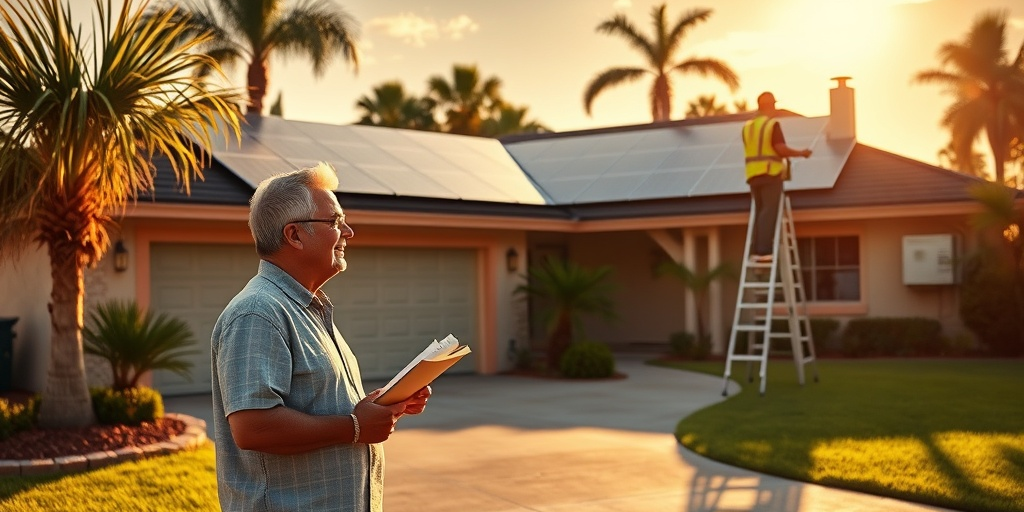
As the sun rises over the beautiful Florida landscape, illuminating the path to a greener future, many homeowners find themselves at a crossroads. With solar energy gaining momentum, the promise of reduced electric bills and sustainable living is alluring. However, it’s crucial to tread carefully. In 2025, amidst rising energy costs and changing regulations, some homeowners in Florida may unknowingly fall prey to solar scams that can jeopardize their hard-earned investments. In this comprehensive guide titled Don’t Ignore These Critical Risks of Solar Scams, we will delve into the alarming realities of solar fraud, educate you on how to recognize red flags, and arm you with insights to protect yourself. Did you know that according to the Solar Energy Industries Association, the number of residential solar installations is expected to grow by over 20% through 2025? Yet, with this growth comes the rise of unscrupulous actors looking to exploit uninformed consumers (SEIA.org). This urgent matter isn’t just about saving money—it’s about ensuring a safe and rewarding solar journey for your home and family.
In this post, we’ll provide you with:
- Section 1: A deep dive into real-life stories of those who faced solar scams and how you can avoid becoming the next victim.
- Section 2: An actionable checklist of steps to spot and steer clear of potential scams.
- Section 3: Myth-busting common misconceptions surrounding solar installations to empower informed decisions.
- Section 4: A local focus on Florida’s unique solar landscape and policies shaping your choices today.
- Section 5: A detailed technical breakdown of solar energy systems, including billing practices that could trip you up.
With knowledge as your ally, let’s embark on this journey to educate, protect, and empower yourself in the evolving solar market of Florida.
Unveiling the Truth About Solar Scams: Real Stories That Shock
Imagine waking up one day to find your dream of harnessing solar energy has turned into a nightmare. Meet the Thompsons, a Florida family who decided to install solar panels to save on energy bills and reduce their carbon footprint. They were energized at first, envisioning lower monthly expenses. However, when the installation company promised extravagant savings without delving deep into their actual electric usage or home layout, warning bells should have sounded. Over time, they noticed unresolved issues with their system, yet the company was unreachable, leaving the Thompsons to bear the costs of repairs and inflated bills. Their story isn’t unique—numerous families across Florida have encountered similar scams that left them disillusioned about solar energy.
To steady the ship, it’s imperative to examine potential pitfalls of solar scams. Here’s a concise checklist of essential considerations:
- Verify Credentials: Ensure the company has a solid reputation. Ratings from platforms like the Better Business Bureau (BBB) can reflect a company’s standing.
- Review Contract Details: Look out for hidden fees or unclear terms in the contract. If it sounds too good to be true, it probably is.
- Seek Multiple Quotes: Contact at least three providers before making a decision. This practice allows you to compare offers and identify inconsistencies.
- Understand Incentives: Make sure any incentives or rebates discussed are legitimate. The Florida Solar Energy Center is an excellent resource for current state offerings.
- Monitor Installation Progress: Keep in touch during the installation to ensure everything meets your expectations and standards.
With these steps, you can better protect yourself from the myriad of scams lurking in the solar industry.
Debunking Myths: Clearing the Air on Solar Energy Varieties
Myth #1: All solar panels are the same. Many believe that because every panel has the same basic function, they perform similarly. In reality, performance can vary widely—high-efficiency panels may save you more money in the long run (SolarReviews.com).
Myth #2: You don’t need a battery if you have solar panels. While grid-tied systems are prevalent, having a solar battery can provide backup power during outages, enhancing your energy independence.
Myth #3: Solar energy only works in sunny states. While Florida’s climate is favorable, advancements in technology have made solar energy viable even during cloudy days.
Myth #4: Solar installations automatically increase your property taxes. In Florida, solar panels are considered an improvement that does not increase property taxes, thanks to favorable state laws.
Myth #5: The installation process is simple and quick. In truth, many factors can complicate installation, from structural concerns to permit regulations, which can lead to delays and misunderstandings.
Equipped with this knowledge, Florida homeowners can make smarter, informed decisions about their solar investments.
5 Expert Solar Installation Tips for 2025
As you explore the solar landscape in Florida, keeping certain best practices in mind can enhance your experience. Here are five expert tips that can help you avoid common pitfalls during the installation process.
- Choose the Right Location: Don’t skimp on panel placement. Some parts of your roof may offer better sunlight exposure than others, significantly impacting performance.
- Opt for Quality Over Cost: Cheaper panels may lead to long-term dissatisfaction or higher replacement costs. Invest in quality hardware that promises better longevity and efficiency.
- Select a Reputable Installer: Research customer reviews, ask for referrals, and check their warranty offerings to gauge reliability. A trustworthy installer is critical to your solar journey.
- Understand Financing Options: Learn about lease vs. purchase options. While leasing may seem more cost-effective initially, purchasing panels often leads to greater savings over time.
- Stay Updated on Local Incentives: Florida’s solar policies are ever-changing. Keep abreast of state incentives, as they can greatly affect your return on investment.
These tips not only streamline the process but also enhance your chances of success in transitioning to solar energy.
The Homeowner’s Solar Journey: A Case for Trust and Due Diligence
Let’s continue following the Thompsons. After realizing their initial solar plan was a scam, they took a step back and reevaluated their approach. They conducted thorough research and understood the nuances of solar energy systems. This included delving into the types of panels, battery options, and finance methods available to them. With this newfound knowledge, they selected a local, reputable installer who listened to their needs rather than promising the sun and the moon.
The process unfolded smoothly; the installation occurred in less time than expected, and they felt empowered every step of the way. Boarded by local incentives and a solid warranty, their investment began to pay off. They even monitored their energy production online, allowing them to adjust usage habits for optimal savings. The Thompsons exemplify how edification, patience, and the right partnership can create a sustainable solar success story in sunny Florida (Energy.gov).
Next Steps for Florida Solar Buyers in 2025
To help solidify your decision, here’s a concrete action plan for moving forward.
- Step 1: Audit Your Electric Bill: Before you shop for solar, analyze your electric bill for the past year. Understanding your energy use helps in selecting the right system size.
- Step 2: Research Local Companies: Look for reviews, testimonials, and credentials from local solar providers to ensure you’re working with trusted professionals.
- Step 3: Get Multiple Quotes: After gathering information, request quotes from at least three companies. This enables you to compare pricing and services offered.
- Step 4: Verify All Licensing and Insurance: Confirm that your contractor is licensed and insured. This adds a layer of protection against any potential issues arising from the installation.
- Step 5: Continue Educating Yourself: Stay updated on technology changes and policy updates in Florida’s solar landscape—knowledge is power.
By following this action plan, you’ll empower yourself to make calculated choices in your solar investment.
As we conclude this exploration of solar scams, it is vital to remember that knowledge is your best ally against falling prey to fraudulent schemes. Every homeowner’s journey may differ, but by educating yourself on potential pitfalls and understanding the benefits of solar energy, you can create a secure and fruitful solar experience. As Florida homeowners, your choices impact your future, and the role of solar energy in that future is more pronounced than ever, especially as we advance into 2025.
Ready to start your solar journey in 2025? Connect with a certified expert at floridaelectricandsolar.com today.
Related Articles
More insights about Solar Scams

Warning: Don’t Overlook These Solar Scams to Avoid

Don’t Miss This Critical Alert About Solar Scams

Don’t Ignore These Critical Solar Scams to Avoid
Ready to Go Solar?
Have questions about solar energy? Our experts are here to help you make the switch to clean, renewable energy.